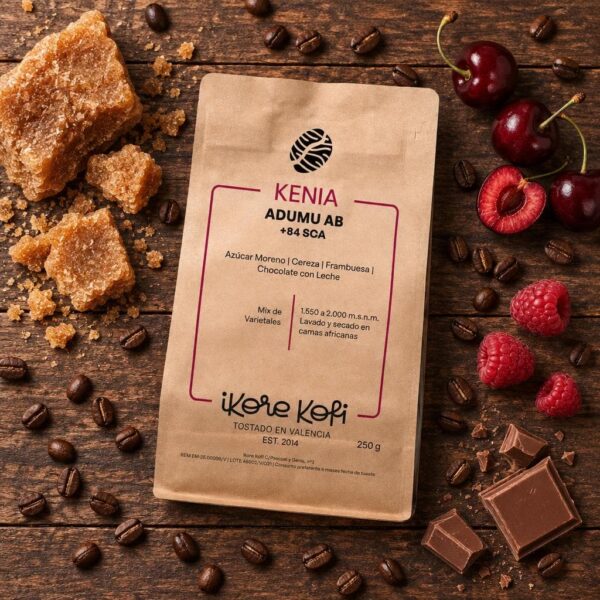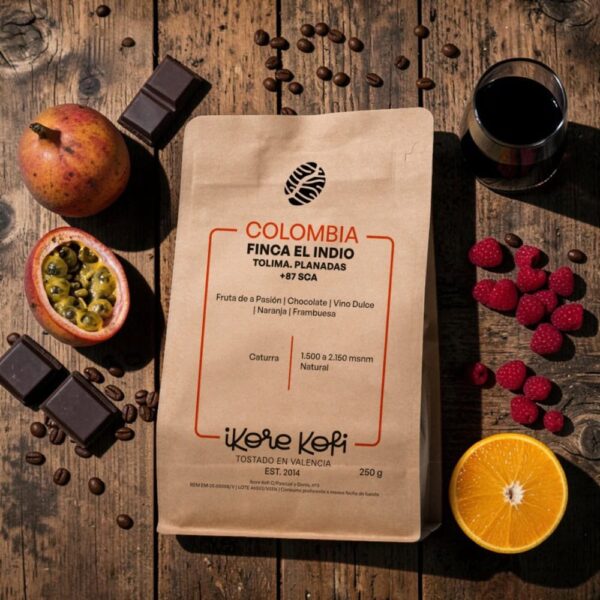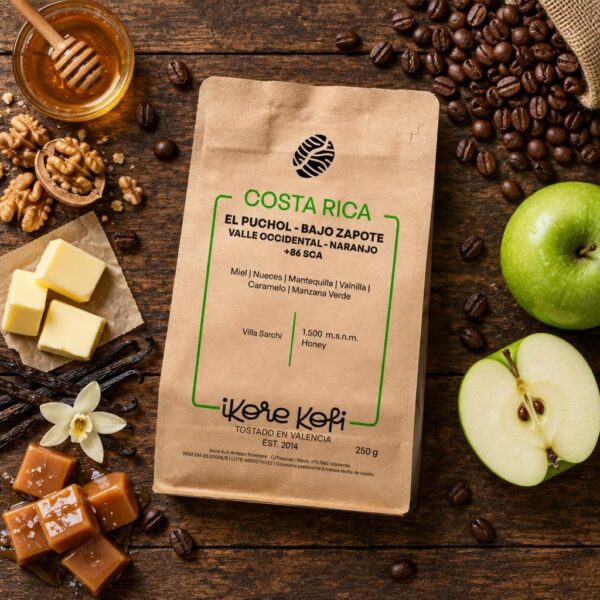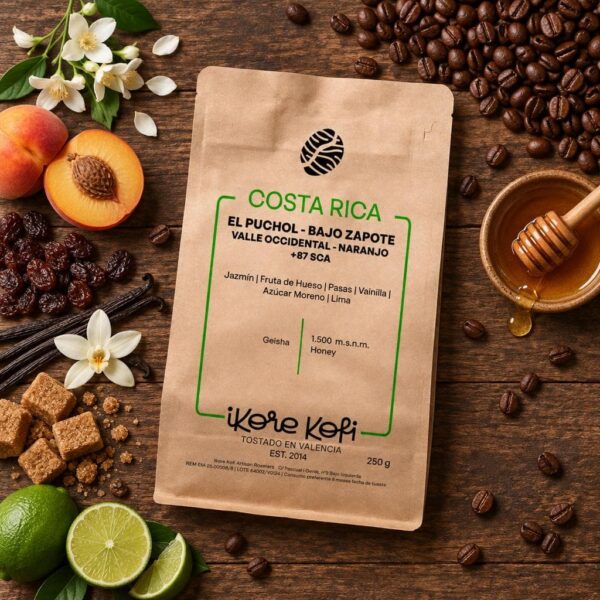
“Specialty coffee” used to be a term you were most likely to hear in a small coffee bar. Today it appears on bags sold online, often alongside farm names, growing regions and tasting notes that range from cocoa to tropical fruit. It sounds promising: a coffee with a story and a more distinctive flavour than an anonymous supermarket blend. But the label should not be a reason to pay extra without knowing what is in the bag.
A good buying decision begins with asking what exactly the seller means. Is the focus on cup quality, traceability, careful roasting, or several of these together? Specialty coffee is not a brewing recipe or a roast level. It certainly does not mean that everyone will prefer the same coffee.
A broader definition than one number
The Specialty Coffee Association describes specialty coffee as coffee, or a coffee experience, valued in the market for distinctive characteristics. Those may include sensory attributes such as flavour and mouthfeel, but also information about the origin, the people who produced the coffee and how it was processed.
You may still see specialty coffee described as coffee scoring at least 80 points out of 100 in a cupping assessment. This comes from a widely used traditional grading approach, and scores are still found in the trade. But one score does not tell the whole story of how the SCA now approaches coffee value. Its Coffee Value Assessment brings together physical characteristics, descriptive sensory findings, personal preferences and information beyond the cup. An 84-point coffee is not automatically going to taste better to you than an 82-point coffee.
The term becomes most useful when a retailer backs it up with detail. If a seller does little more than print “specialty” in large letters, you have been given a promise rather than the information needed to make a considered choice.
Why the origin story can matter
A country of origin offers a starting point, but seldom explains the flavour on its own. Coffees from the same country may taste very different because of their growing area, altitude, variety, harvest and processing. A listing that identifies a region, farm or cooperative can help you understand why one bag is unlike another.
Traceability also makes it easier to ask useful questions. Does the producer identify the harvest? Is the processing method stated? Does the roaster describe the cup they are trying to create? None of these details guarantees great flavour, yet they make comparison much more meaningful than a vague claim of premium quality.
Words such as “washed”, “natural” and “honey” refer to the way the coffee fruit is processed before roasting. Washed coffees often have a particularly defined, clean profile; natural-process coffees can show more pronounced fruit notes; honey processing involves drying with some mucilage still attached. These are broad patterns, not fixed rules. The beans and the roast remain equally important.
Tasting notes are directions, not ingredients
A bag mentioning berries or flowers is not claiming that those ingredients have been added. It is reporting sensory impressions noticed during tasting. If you recognise chocolate, stone fruit or caramel instead, you are not failing a test. Flavour descriptions help set expectations rather than dictate exactly what you must taste.
Specialty coffee can be bright and fruit-driven. It can also be soft, sweet and nutty, giving an excellent espresso with milk. Pleasant acidity in a coffee should not automatically be confused with a fault. Equally, a very dark roast may mask some of the bean's distinctive characteristics, although plenty of people genuinely enjoy intense roasted flavours.
Start with the flavours and brewing style you already like. If your daily drink is a classic espresso, a balanced medium roast may be a more rewarding first step than an intensely floral filter coffee. If you brew pour-over, you might enjoy exploring those delicate notes. A sensible beginning is not buying the highest advertised score, but choosing a coffee you are likely to enjoy in your own kitchen.
Questions worth asking before you order
Look at the name of the roaster, the origin information, the intended roast profile, the available bag formats and the price per kilogram. A roast date adds useful context about freshness, but it does not tell you that every coffee must be brewed on one exact day. Beans release gas after roasting, and some brewing methods benefit from a little resting time.
If a listing promises direct trade or improved returns for growers, look for specific explanations rather than relying on the phrase alone. A marketing claim does not demonstrate how the money paid by the customer is shared. Likewise, “organic”, “100% arabica” and “specialty” are not interchangeable terms: they refer to different properties or practices.
Check whether the coffee is supplied whole or ground. Excellent beans ground for the wrong method can produce a disappointing cup. Grinding at home gives you more control if you own a capable grinder. Otherwise, selecting the correct grind for your brewer may be the smarter choice. Our whole-bean versus ground coffee guide explores that trade-off in detail.
When paying more makes sense
A higher price can be worthwhile when you appreciate distinctive flavours, care about traceability or find real pleasure in a roaster's careful work. But an expensive coffee does not guarantee a better experience for everyone. Price may reflect small production lots, complex logistics, distribution or unusual origin. Those factors do not all translate directly into a cup you enjoy more.
Instead of buying a large bag based on a promising description, consider a smaller quantity in a familiar flavour style. Brew it alongside your usual coffee over several days using the same equipment and similar ratios. Notice the aroma, perceived sweetness, balance and aftertaste, not merely how strong the drink seems. If you can explain what you enjoy about the new coffee, paying more becomes an informed choice rather than an act of faith.
Specialty coffee at its best offers more information and more possibilities, not a requirement to behave like a professional taster. Read the description carefully, find a flavour profile that suits you and compare prices fairly. It is worth the money when the care behind the coffee becomes something you can appreciate in the cup. You can compare origins and flavour profiles in the specialty coffee selection without treating the label as a promise of taste.