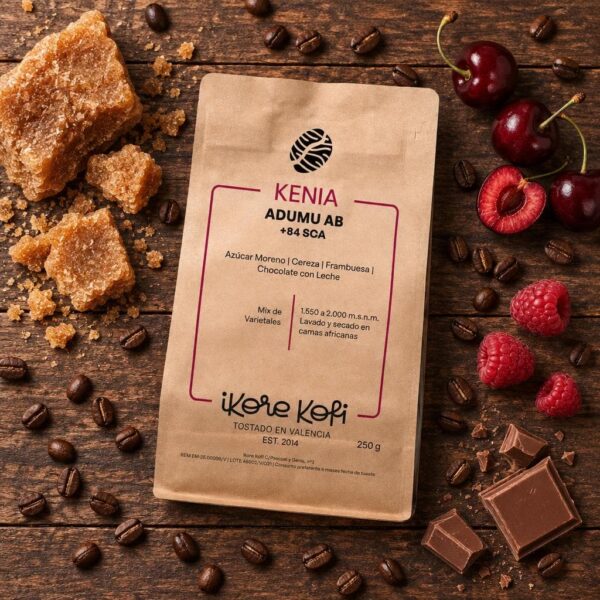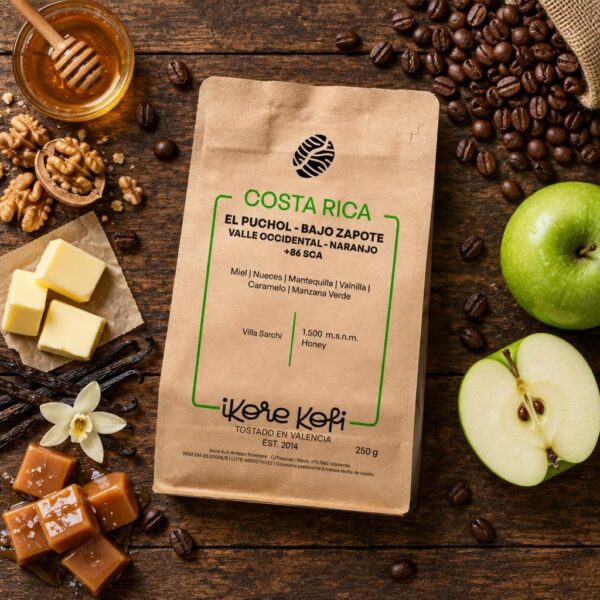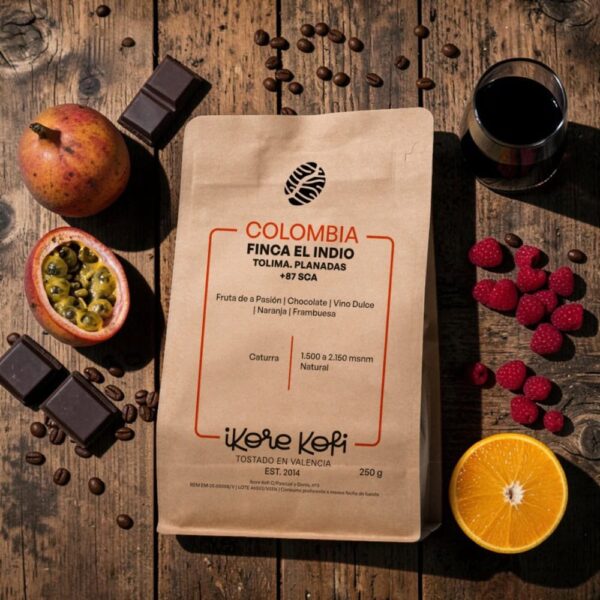
Two bags of whole-bean coffee can look almost identical on a shelf and produce strikingly different cups. One may be sweet and balanced; another might bring a strong roasted bitterness that works beautifully with milk but feels heavy as a long black coffee. There is no universally “best” bag. The right coffee is the one that suits your brewing method and your taste.
Before buying, work through four questions: what do you brew with, which flavours do you enjoy, what roast profile are you after, and how much information does the seller provide about the coffee’s freshness? Origin and variety can help refine your choice, but they come after the fundamentals.
Choose for your brewer first
A stovetop moka pot often produces a concentrated, full-bodied drink. Many people enjoy a medium or medium-dark roast in it, especially when adding milk. That does not rule out lighter coffee: it simply requires a little experimentation with grind and brewing technique. With a bean-to-cup machine, practicality matters as much as flavour. Check the machine maker’s guidance; some advise against very oily, dark-roasted beans because they can be harder on the grinder and its cleaning routine.
An espresso machine paired with a capable grinder opens up other possibilities. You can work towards a round, chocolate-like shot or bring out a livelier, fruit-led coffee by adjusting grind size, dose and extraction. Filter brewers such as a V60 often make delicate flavours easier to notice because the drink is generally cleaner in texture. These are useful starting points rather than fixed rules: personal preference still wins.
Whole beans give you the freedom to grind immediately before brewing and to adapt the grind to each method. Grinding greatly increases the coffee’s exposed surface area, so aromas fade more quickly afterwards. But if you do not own a grinder and have no plans to buy one, freshly supplied ground coffee prepared for your brewer can be the more sensible purchase.
Make sense of the flavour notes
“Chocolate”, “hazelnut” and “caramel” often signal a familiar, rounded profile with a perception of sweetness. Descriptions of citrus, berries or flowers suggest something brighter and more aromatic. These are tasting impressions, not evidence that the roaster has added those ingredients to the beans.
If you are new to origin coffees, start with a balanced profile instead of chasing the most unusual description. Compare two coffees using the same brewer and roughly the same roast level. That makes it easier to decide whether you prefer body, sweetness, pronounced acidity or roasted notes. There is no need to learn a specialist vocabulary before you can enjoy better coffee.
Roast level is a clue, not a quality certificate
Light roasts may let more of the bean’s own characteristics come through. Medium roasts can combine sweetness and body, while darker roasts tend to emphasise roasted flavours and bitterness. The result still depends heavily on the beans and how well the roast is executed. A beautifully roasted darker coffee may be more enjoyable than a poorly roasted light one.
Do not confuse strong flavour with high caffeine content. Caffeine varies with the coffee species, the dose and the brewing recipe, among other factors; a bag described as “intense” tells you little about its caffeine content. Similarly, “100% arabica” is not an automatic promise of excellence. There are ordinary arabicas and remarkably well-made blends. A transparent description and a cup you enjoy are more useful than a single headline on the label.
What a useful product page should tell you
Look for the form of the product, its origin where known, the roast profile and the general tasting character. A roast date can provide useful context about freshness, although coffee does not suddenly become unusable after a particular number of days. Roasted beans release gas over time, and some brewing styles, notably espresso, may benefit from a short resting period after roasting.
Check the net weight, price per kilogram and storage advice as well. A one-kilo bag is not necessarily a bargain for someone who makes only a couple of coffees a week. A smaller bag may let you explore different flavours without keeping the same beans open for months. For a busy household or office, a larger format may be entirely reasonable. Compare like with like rather than choosing by the ticket price alone.
Be wary of descriptions that promise extraordinary flavour but offer almost no verifiable information. And remember that a classic-tasting coffee is not inferior merely because it lacks exotic tasting notes. An excellent everyday cup does not need to be complicated.
The first brew is part of the buying decision
When the beans arrive, keep them tightly sealed, away from heat, sunlight and moisture. A clean, airtight opaque container can help, but a well-closed original bag in a suitable cupboard may do the job. The refrigerator is often inconvenient for daily use because of moisture and repeated temperature changes.
Before deciding you dislike a coffee, check the brewing method. Grinding too fine can cause over-extraction and excessive bitterness; grinding too coarse can leave the drink thin or sharp, depending on the method. Water temperature, coffee-to-water ratio and a clean brewer matter too. Adjust one variable at a time so you can tell what actually improved the cup.
My practical shortlist would be this: a sweet, full-bodied profile for milk-based espresso; a roast and flavour style you genuinely enjoy for straight espresso; something with aromatic notes you want to explore for filter; and a bag size you can reasonably finish for your everyday coffee. The individual product page should confirm the available grind options, origin and current price rather than a general guide making assumptions.
Ultimately, the best whole-bean coffee for home is the one you look forward to brewing again tomorrow. Once you have compared a couple of bags thoughtfully, choosing becomes far less of a guessing game. You can compare origins and formats in the specialty coffees currently available rather than relying on a generic description.