A home espresso machine can produce a remarkable cup, but it can also make expensive beans taste harsh. Sometimes the problem lies in the preparation: the grind is wrong, water runs through too quickly or the basket is poorly filled. At other times the issue is the choice of coffee itself, such as trying to find delicate floral flavours in a very dark roast dominated by roasted notes.
Start with one question: what do you want your espresso to taste like? If cocoa, caramel and nuts sound appealing, a medium roast is a useful direction. If you love lively acidity and fruit aromas, you may prefer something lighter. A bag carrying the word “espresso” cannot answer the question for you.
Must beans be labelled “espresso”?
No. Espresso is first and foremost a brewing method. Roasters may design particular coffees to extract well under espresso conditions, but this does not make them a separate botanical category. Coffee from different origins and roast levels can work as espresso; the result depends on extraction and the flavour style you seek.
A very light coffee developed for filter brewing may need more careful adjustment of temperature, grind or beverage yield to reach a balanced extraction. A medium roast intended for espresso may be easier for a newcomer using a domestic machine. Starting with an approachable profile often avoids unnecessary frustration.
Buying the right grind matters
An adjustable burr grinder gives you control over how water moves through the coffee bed. That control is particularly valuable for espresso because small grind changes can make large differences to flow and flavour. If you do not own a grinder, check whether your seller offers espresso-ground coffee and understand that one preset grind may not perfectly match your machine.
Pressurised portafilter baskets can be more forgiving of different grinds than non-pressurised baskets. You do not have to buy the most expensive grinder, but it helps to understand your equipment before ordering. Our guide to whole-bean and ground coffee explains that trade-off in more detail.
Reading the shot rather than blindly following a timer
If espresso rushes out and tastes weak, the grind may be too coarse, the dose may be too small or the preparation inconsistent. If it barely flows and tastes aggressively bitter, an excessively fine grind may be involved. Shot time provides a useful clue, but not a universal law: basket size, dose, pressure, roast and beverage yield all matter.
One practical approach is to weigh the dry coffee and the finished drink, keeping both relatively consistent while adjusting grind. Some people start with a beverage yield around twice the dry coffee dose. That is an experiment, not a compulsory recipe. Lighter coffees and different styles of espresso may taste better at other ratios.
A sharp, underdeveloped cup might indicate insufficient extraction. A drying, bitter cup may be over-extracted, or the roast itself may simply be darker than you enjoy. Pleasant acidity is part of many excellent coffees, so the goal is balance rather than removing every lively note.
Should you buy a blend or single-origin beans?
A roaster may build a blend to deliver consistent body and flavour through seasonal changes in its component coffees. Single-origin beans may offer a more recognisable individual character. Either can produce excellent espresso. Do not pay extra solely for the words “single origin”, and do not dismiss an intelligently composed blend.
For milk drinks, a rounded cocoa or nut profile can remain noticeable in a cappuccino. For espresso served black, you might enjoy exploring more delicate aromatics. If you drink both, aim for a balanced coffee before assuming that the darkest bag will suit every occasion.
Crema is another misleading shortcut. Its thickness and appearance depend on various factors, including coffee type and roast. A very thick crema does not prove that the drink is sweeter, fresher or better extracted than one with a thinner layer.
Freshness and resting after roasting
Roasted beans release carbon dioxide and other gases. In espresso, very freshly roasted coffee can sometimes make stable extraction more difficult. Some coffees benefit from a period of rest after roasting. There is no single ideal number of days for every bean or method, so the roaster's guidance is more useful than a rigid rule.
Match your bag size to your consumption. If you make a couple of espressos daily, a moderate bag lets you try different roasts without keeping the same coffee open for months. Store beans sealed, away from heat and moisture. If your machine is automatic, never put loose grounds in a hopper designed for whole beans.
A simple first purchase
I would start with naturally roasted medium beans, ground at home if possible, with flavour notes that sound genuinely appealing. Establish a repeatable dose and beverage yield, then adjust the grinder. Later, try a lighter coffee or a blend with a different character. That makes it easier to distinguish changes in beans from changes in technique.
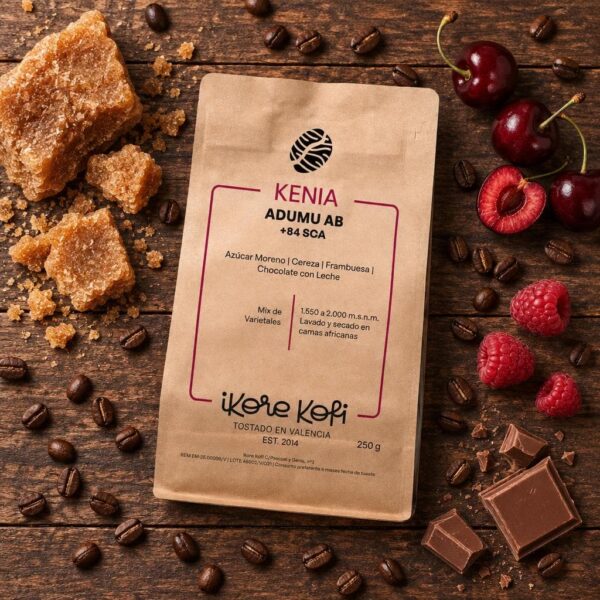
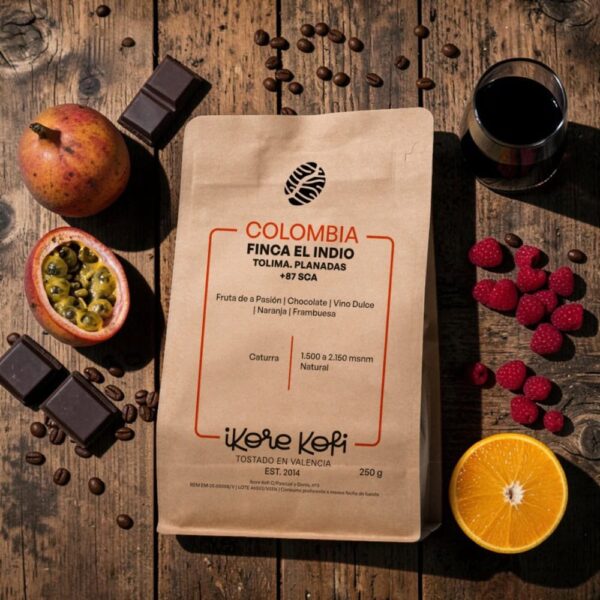
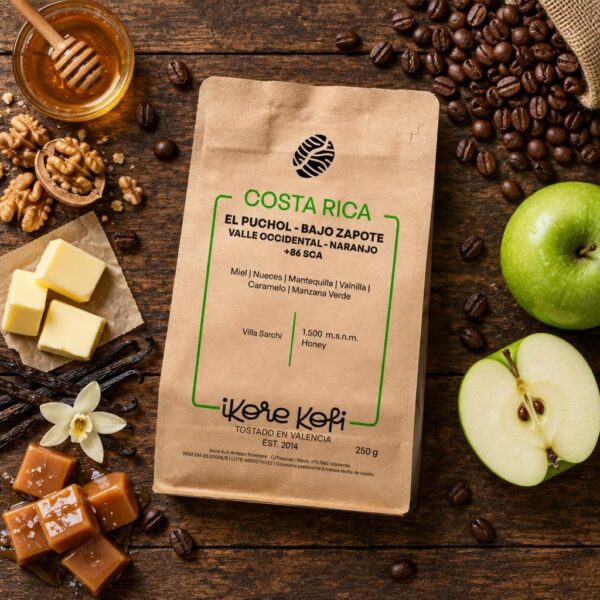
Excellent espresso is not sold fully formed inside a bag. It comes from sound coffee, a sensible extraction and your preferences. A retailer can help with clear information about origin, roast, format and freshness; the final judgement happens in your cup. Start with the coffees available in the shop and choose by their tasting notes rather than just a marketing name.