“100% arabica” appears on so many coffee bags that it can look like an unquestionable badge of quality. Robusta, meanwhile, is often portrayed as the cheaper, bitter bean that should be avoided. The reality is more interesting. These are different coffee species with different characteristics, and the name alone cannot tell you how carefully the beans were grown, roasted or brewed.
When choosing a bag for home, the useful questions concern flavour, body and caffeine content. If you drink espresso, it is also worth understanding why carefully designed blends often combine the two species.
Species are not quality grades
Arabica comes from Coffea arabica, while the coffee commonly called robusta belongs to Coffea canephora. They differ in cultivation, productivity and chemical composition. Within each species, varieties, growing origins and processing methods can change the cup enormously.
Arabica may offer floral, fruity, chocolate-like or nutty notes, depending on the beans and roast. Commercial robusta often tastes more bitter and full-bodied, with stronger roasted character. But describing all robusta as unpleasant is too simple. The Specialty Coffee Association explores the potential of carefully produced robusta and its ability to deliver complex flavours beyond the familiar stereotype.
Price is not a guaranteed measure of quality either. Agricultural and commercial factors mean some robustas tend to be more economical, but exceptionally well-produced robusta can cost more than ordinary arabica. Traceability and a clear description of the roast can tell you much more than the species name on its own.
Robusta generally contains more caffeine
As a broad tendency, robusta beans contain more caffeine than arabica. A blend with a significant robusta component may therefore provide more caffeine at a comparable dose and extraction. That is not a precise formula: the amount in the finished drink also depends on the particular beans, the recipe and how much coffee you use.
A short, intense-looking drink does not always have more total caffeine than a larger cup. Nor can you judge caffeine reliably from roast darkness or bitterness alone. If you want to moderate caffeine intake, consider the species and dose; when you need a substantial reduction, a clearly labelled decaffeinated coffee is a more dependable choice than guessing from taste.
Why espresso blends sometimes use robusta
Some traditional Italian-style espresso blends use robusta to create body, a particular kind of bitterness and abundant crema. It is not the only way to produce good crema, and it does not automatically make espresso better. It depends on what the roaster is trying to achieve and the kind of cup you enjoy.
For a straight espresso with delicate aroma, a carefully roasted arabica may offer plenty to explore. For a milk drink where you enjoy a pronounced coffee character, a balanced arabica-robusta blend can work beautifully. Both species can also be used in a moka pot. Grinding and brewing temperature influence the result far too much for species alone to settle the choice.
Do not confuse a blend of coffee species with a blend of natural roast and sugar-roasted coffee. A bag can contain arabica and robusta, both naturally roasted, without any sugar added during roasting. If you see the word “blend”, read what the seller actually means.
What the label should tell you
Look for whether the coffee is entirely arabica, entirely robusta or a mixture, and whether proportions are stated. Then consider tasting notes, origin where known, roast level and the available whole-bean or ground formats. Terms such as “premium”, “intense” and “gourmet” tell you little on their own.
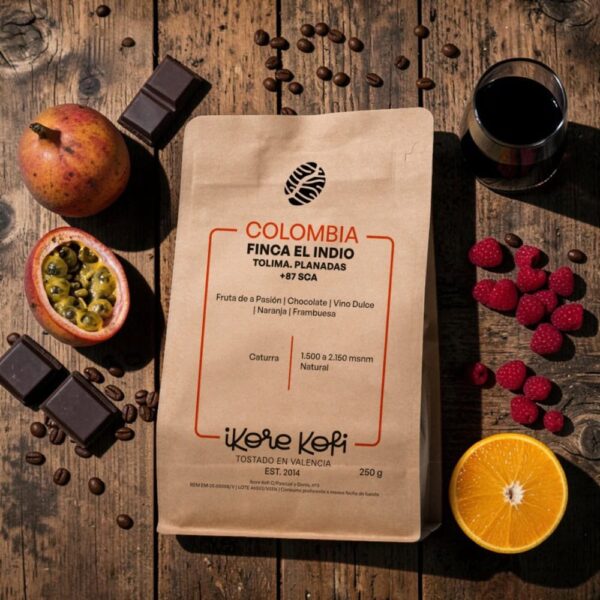
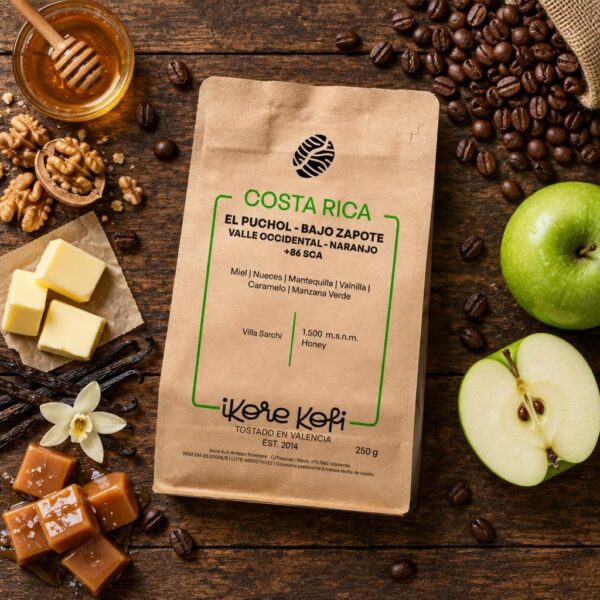
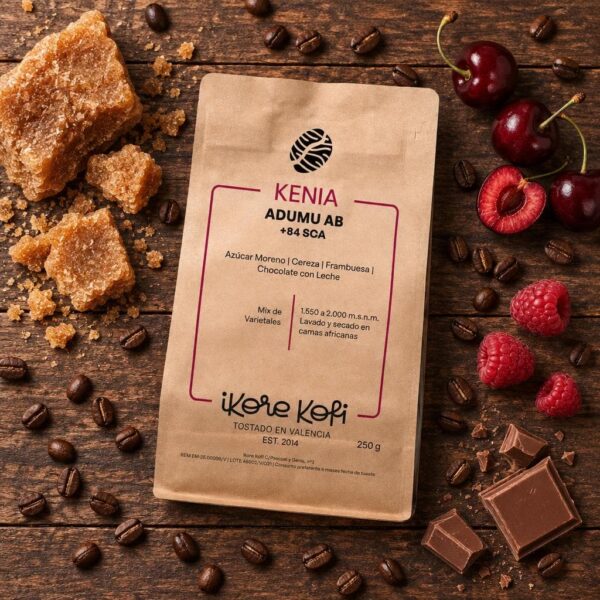
A specialty coffee listing may describe a region, farm, cooperative or processing method. A traditional blend might offer useful information about its balance of components and intended flavour. Both can be transparent, and both can disappoint if those descriptions are only marketing.
If you are uncertain, buy modest quantities of two styles and brew them with the same recipe. Taste one black and, if you normally drink milk coffee, taste both with milk too. Notice body, perceived sweetness and how much bitterness you actually enjoy. A side-by-side comparison will help you far more than a universal ranking.
Which is better for you?
If you want delicate aromas and to explore different growing regions, start with a good arabica. If you enjoy a bold espresso, particularly with milk, do not dismiss a well-designed robusta blend. If caffeine is a priority, robusta can influence the amount, but your recipe and total consumption still matter.
Our guide to specialty coffee explains why quality and traceability involve much more than a label. The best choice is the coffee whose characteristics and flavour fit the way you like to drink it, not the species with the most fashionable reputation. To compare real flavour profiles, explore the origin coffees on offer and check their composition before ordering.