Two boxes of oranges may have similar prices but be better suited to different routines. One contains fruit that is pleasant to peel and eat in segments; the other may give you a generous glass of juice without using so many pieces. When buying online, labels such as “eating oranges” and “juicing oranges” are useful, but the variety and what you plan to do with the fruit tell you more.
The first distinction is simple: eating and juicing oranges are not two separate species. They are usually sweet oranges described or selected for qualities such as easy peeling, seeds, juice yield, flesh texture and harvest period. Many varieties serve both purposes. An eating orange can be squeezed, and a juicing orange can be eaten in segments if you enjoy it.
When you want to eat the orange, texture matters
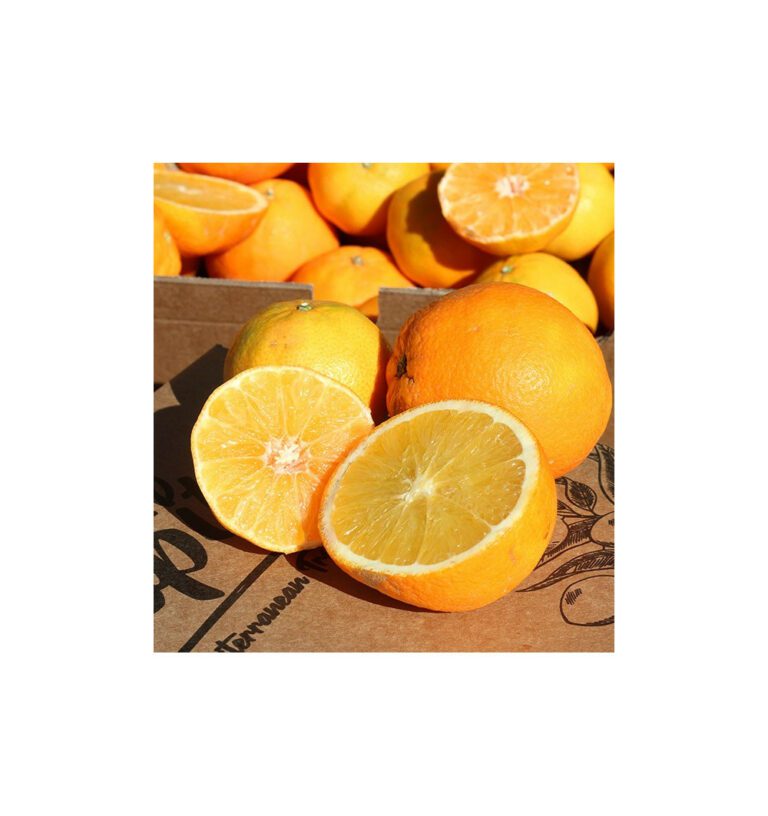
For a packed lunch, a fruit bowl or a quick dessert, you may want skin that is reasonably easy to remove, balanced sweetness and few seeds. Varieties from the Navel group—including Navelina and Washington Navel—are familiar choices for eating fresh. They often have a small navel-like feature at one end and are comfortable to enjoy by hand, although individual varieties differ in size and flavour.
That does not make Navel oranges unsuitable for squeezing. Some varieties can develop bitterness in the juice as it stands after extraction, which is one reason they are often recommended for eating or for drinking immediately after juicing. If the only oranges in your kitchen are Navels, there is no reason you cannot make a fresh glass of juice with them.
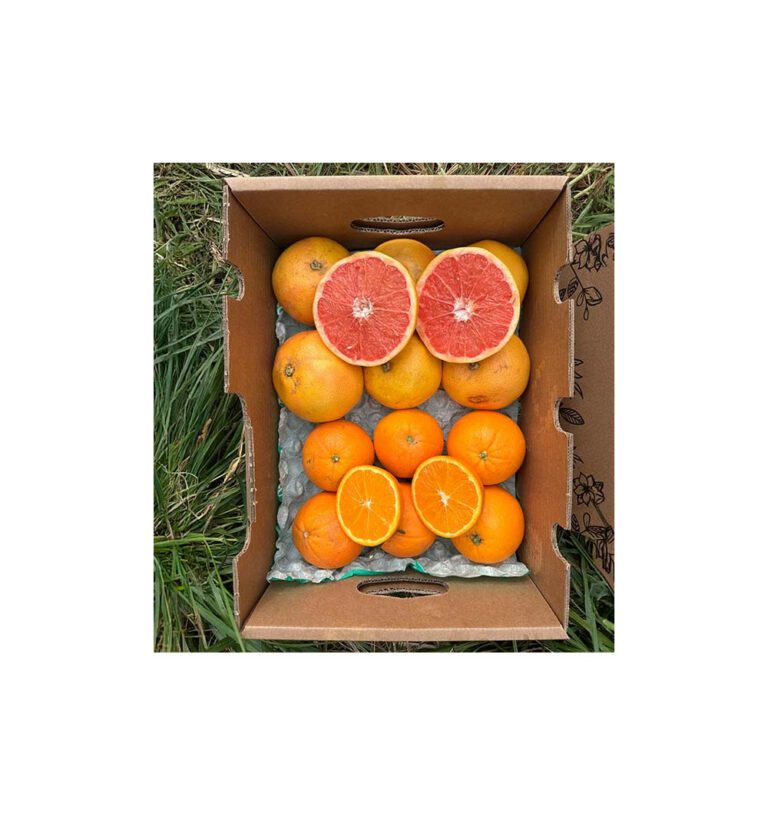
Other eating varieties include blood oranges, prized for their colourful flesh and sometimes distinctive flavour. Colour varies with cultivar and growing conditions, so a photograph of very red slices should not be treated as a guarantee of what every seasonal box will contain.
A juicing orange is about flavour and useful yield
If you use a citrus press each morning, you care about the amount of juice per kilogram, whether there are many seeds and how the freshly squeezed juice tastes. Valencia Late is widely associated with juicing and with the later part of the citrus season. Other juicy cultivars are also sold for the purpose.
The University of Florida's citrus guidance describes Valencia as a particularly popular juice orange while noting that Navel can also be eaten fresh or juiced. That is a useful buying distinction, not a promise that a box will produce a fixed number of glasses. Juice yield depends on fruit size, ripeness and the conditions of the crop.
Larger fruit does not automatically mean a proportionally higher yield. When comparing offers, start with the price per kilogram, the named variety and any indication from the grower about intended use. If you squeeze oranges regularly, a box that you can finish while the fruit is in good condition may be better value than the largest case on sale.
Understanding the names on a Spanish citrus listing
“Navel” describes a family of varieties, not the exact same orange harvested all year. Navelina generally appears earlier in the Spanish season than some later Navel cultivars, and these varieties are often chosen for eating whole. Valencia Late tends to belong to the later season and is well known for juice.
The reality is more varied than a simple three-name calendar. Spain has different growing areas, and weather shifts harvest dates from one season to the next. Some sellers may offer fruit from different regions or storage conditions. The most reliable guide to what you will actually receive is the up-to-date product listing, not a generic month-by-month promise.
If you like to peel an orange after lunch, an eating variety that is currently in season makes a good starting point. If you regularly fill a juicer, a variety sold for that purpose is sensible. You are choosing a fruit for a habit, rather than looking for a universally superior orange.
Five things worth checking before ordering a box
Variety: does the seller name the cultivar or just say “oranges”? A named variety helps set realistic expectations about flavour, peeling and season.
Origin: where were the oranges grown, and is the information current? A genuine origin statement is more useful than a photograph of an anonymous grove.
Net weight: compare kilograms, not the apparent number of fruits in the picture. Two boxes of the same weight can contain very different counts because of size.
Condition: fruit should feel firm and substantial for its size, without mould or extensive soft patches. Minor marks on the skin need not affect the flesh, and deep orange skin is not a perfect measure of taste.
Delivery and quantity: consider shipping costs and how many oranges your household can realistically finish. A heavy box is not good value if much of the fruit is left to deteriorate.
Keeping oranges in good condition at home
Open the box when it arrives and look through the fruit. Set aside any damaged pieces, which can affect those around them. Avoid leaving the box in a very hot or damp corner. A cool, ventilated area can work for fruit you plan to eat soon; refrigeration generally helps preserve oranges when you need to keep them longer.
Wash the fruit before handling or squeezing it, and prepare juice when you intend to drink it. Freshly squeezed juice is more perishable than the intact orange. Eating the whole orange also provides fibre from the flesh that is largely lost when juice is strained. Neither choice needs a moral label: they are simply different ways to enjoy citrus.
The right orange for your routine
If your household drinks fresh juice every morning, begin with a juicy variety marketed for squeezing. If oranges are mainly a snack or dessert, an easily peeled eating variety makes life simpler. If you enjoy both, a versatile fresh orange may make more sense than ordering two separate boxes.
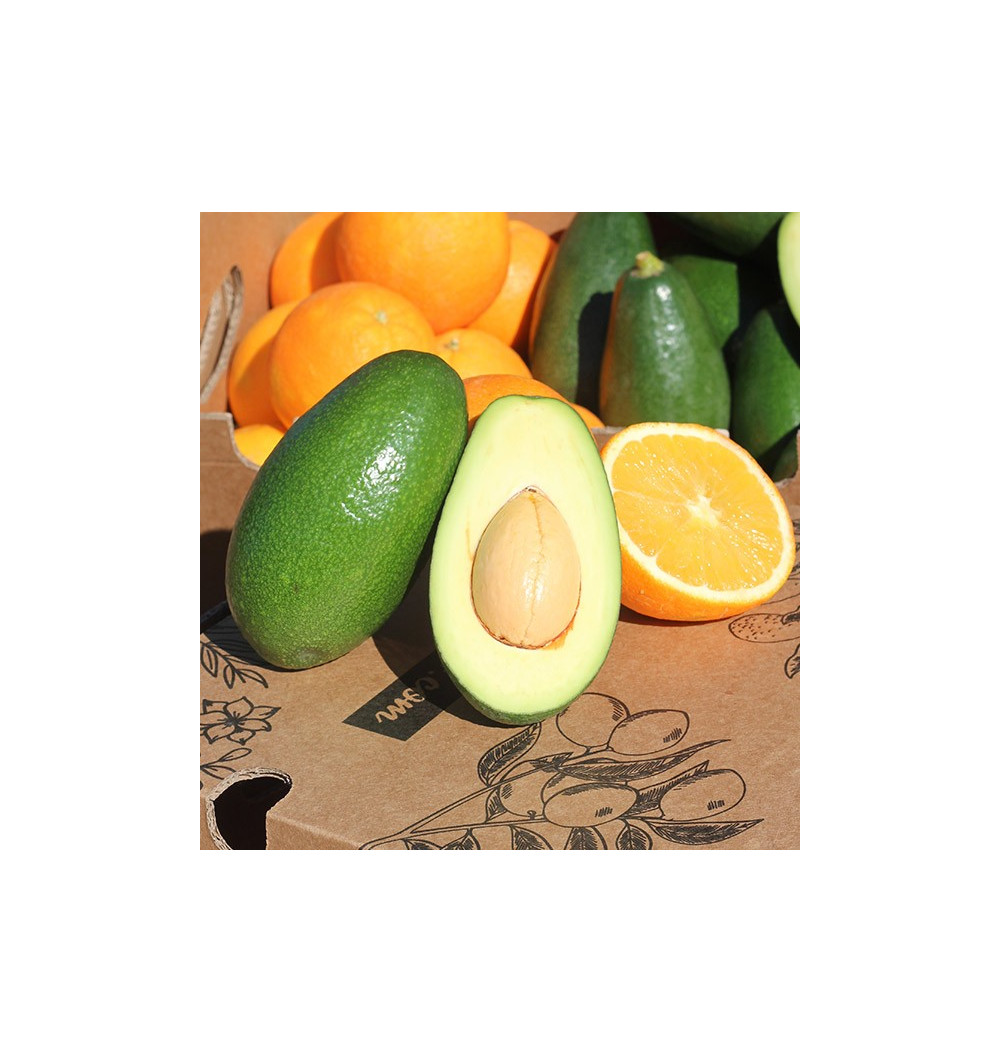
Before purchasing, check the currently available variety, the weight, and the seller's guidance on its best use. The point is not to become a citrus expert overnight. It is to bring home oranges that fit the way you will actually eat them. A mixed orange and avocado box is not the same as a dedicated juicing-orange box; check what is included.