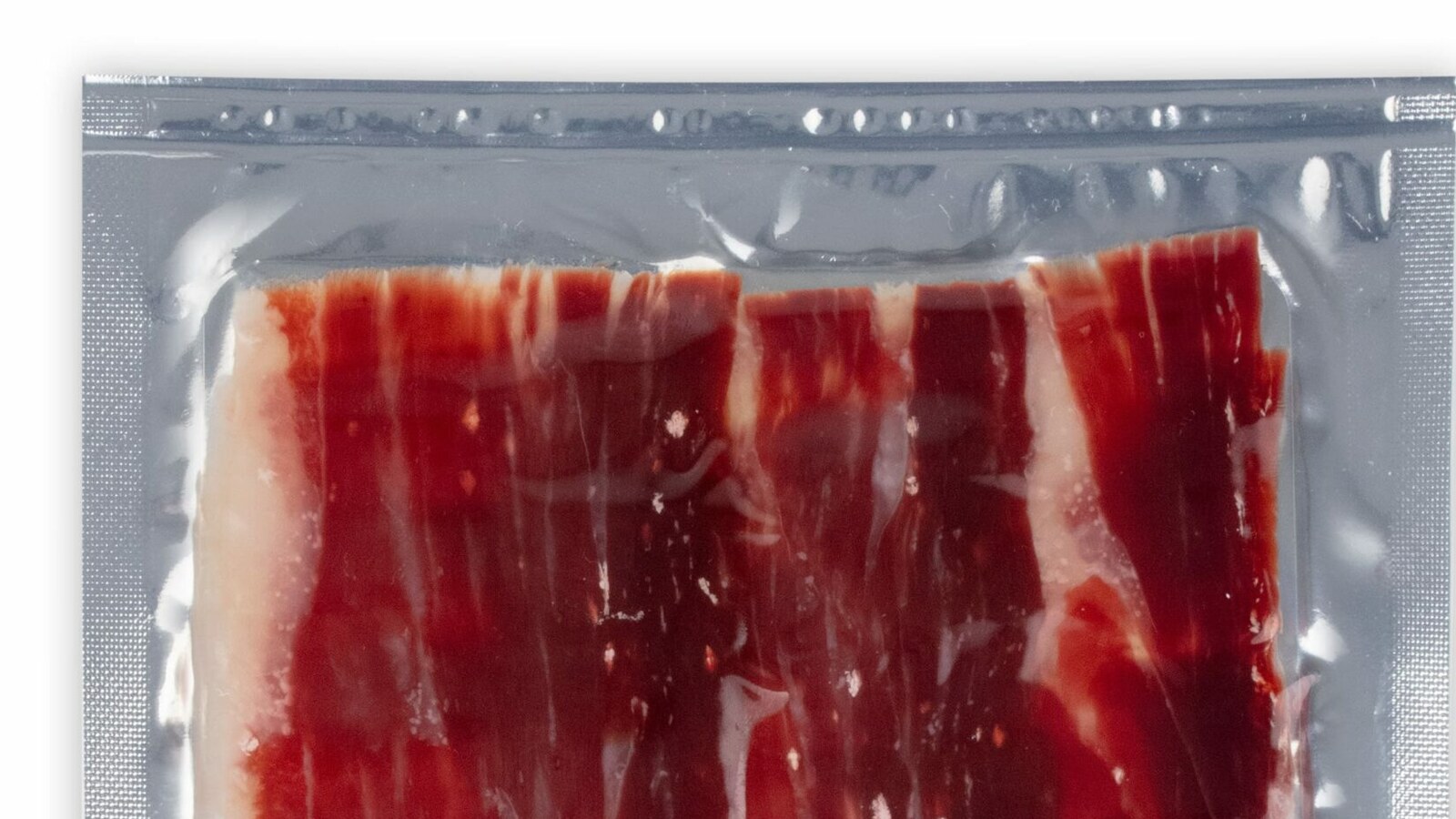
Even an excellent ham can lose some of its appeal if it is served very cold, cut too thickly or piled into a compact mound. This is not because there is one mandatory ritual, but because fat texture, aroma release and the balance between lean meat and fat change with temperature and slicing.
Serving Iberian ham well is about letting the product express itself. Four variables matter most: temperature, slice thickness, quantity on the plate and the time between slicing and eating.
Temperature matters more than it seems
Ham fat behaves differently when cold and when gently warmed. Straight from a cold refrigerator, the fat is firmer and melts less readily in the mouth. As the slice loses that chill, texture becomes softer and aromatic compounds become easier to perceive.
This does not mean leaving ham in a hot room for hours. It means avoiding extremes. A whole ham carved at room conditions is often already close to a suitable serving temperature. Refrigerated sliced packs benefit from losing their intense chill before serving, while always respecting the producer's storage instructions.
How can you tell when a slice is ready?
You do not need a thermometer. Watch the fat: when it no longer looks completely rigid and develops a slight sheen, the slice is usually more pleasant to eat. It should feel flexible rather than brittle.
The necessary time varies with slice thickness, packaging and room temperature, so visual and tactile signs are more useful than one universal number of minutes.
Thin slicing changes the experience
Iberian ham is normally best in a thin, flexible slice: not paper-thin to the point of disintegration, and not as thick as ordinary deli ham. Appropriate thickness allows the fat to soften quickly and prevents the lean meat from dominating the chew.
A good slice also usually includes both lean meat and a reasonable amount of fat. Removing every visible piece of fat strips away part of the sensory balance.
How long should a slice be?
There is no compulsory size. The broad maza can produce larger slices; the babilla, punta and areas around bone naturally produce different shapes. Trying to force every slice into the same geometry can waste meat and make carving less safe.
The practical goal is a slice that is easy to eat in one or two bites while respecting the anatomy of the leg. See our guide to maza, babilla, contramaza, punta and jarrete for the differences between zones.
How to arrange slices on the plate
Plating should prevent the slices from becoming one compact block. Slight overlap with some exposed surface makes them easier to separate and allows the fat to warm more evenly.
A circular arrangement works well, but simple rows are equally valid. Avoid a high pile in the centre, where lower slices stick together and become difficult to lift cleanly.
The plate itself can cool the ham
A very cold plate can chill the slices again. Normal room-temperature tableware is ideal. Heating the plate is unnecessary and can soften fat excessively.
Keep the surface clean, dry and neutral in smell.
How much should you put out at once?
For a long gathering, serve moderate quantities and replenish. A huge plate left open for a long time warms too much, loses freshness and is more exposed to oxidation. Smaller rounds also reduce waste.
For menu planning, see how much Iberian ham to allow per person.
Freshly carved ham versus sliced packs
Fresh carving allows the slice to be adapted to each exact part of the leg. Pre-sliced packs offer consistency, convenience and portioned storage. Neither format should automatically be treated as inferior; they simply require different handling.
Vacuum-packed slices can be compressed together. Once the pack is open and the ham has warmed appropriately, separate slices gently from the edges rather than pulling hard. If they tear because they are too cold, give them more time.
Should you add olive oil?
Not as a rule. Properly served Iberian ham already has its own fat and aromatic profile. EVOO can be enjoyable in certain recipes, but during direct tasting it can cover subtle differences by introducing another aromatic fat.
If ham and EVOO are part of the same aperitivo, serve the oil separately with bread first and let each product be tasted on its own.
Bread, tomato and accompaniments
Ham can be eaten alone or with other foods. Neutral bread, tomato, roasted vegetables or a delicate preserve can all work. The stronger the accompaniment, however, the harder it becomes to assess the ham itself. Taste at least a few slices on their own first.
Our guide to building a Spanish aperitivo explains how to balance cured meats, preserves and olive oil.
Serving order when several cured meats are present
If you are serving ham, loin, salchichón and chorizo, move broadly from cleaner flavours towards more assertive, spiced products. Paprika and spice from chorizo can dominate the palate if eaten before a delicate ham.
Water and simple bread between products help reduce flavour carryover. This does not need to become a formal tasting; simply think about intensity.
Common serving mistakes
The most frequent are serving ham too cold, slicing too thickly, removing all edible fat, overcrowding the plate and leaving it exposed for hours. Another is pressing plastic film directly onto an already plated serving, which can make slices stick together.
Good service is simple: carve or open only what you need, allow it to reach a pleasant temperature, separate the slices, plate them with some space and eat without unnecessary delay.
Related hams and shoulders
-
EMDO Selection SaleSale!
 Select options
This product has multiple variants. The options may be chosen on the product page
Select options
This product has multiple variants. The options may be chosen on the product page
-
EMDO Selection SaleSale!Select options
This product has multiple variants. The options may be chosen on the product page
-
EMDO Selection SaleSale!Select options
This product has multiple variants. The options may be chosen on the product page
-
EMDO Selection SaleSale!Select options
This product has multiple variants. The options may be chosen on the product page
-
Sale!Select options
This product has multiple variants. The options may be chosen on the product page
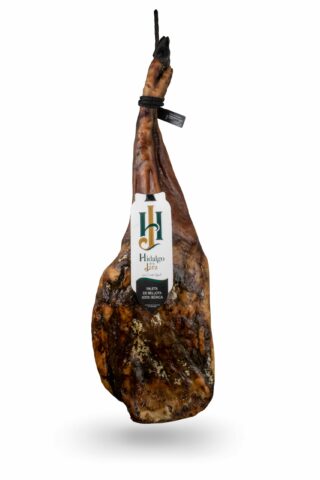

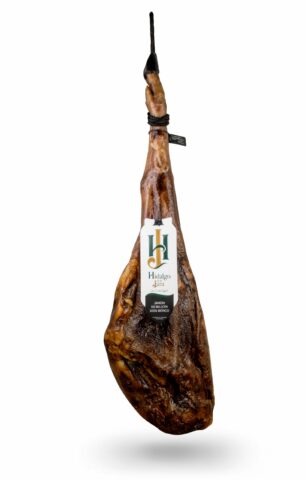
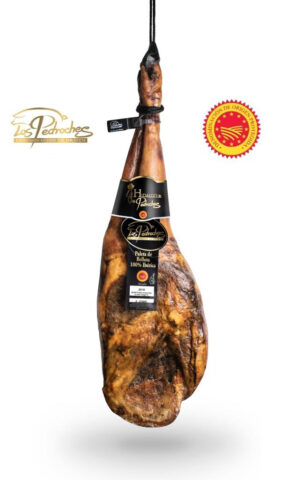
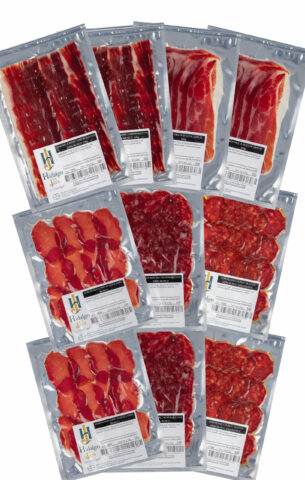

 Tasting pack of 100% Iberian acorn (2x ham, 2x shoulder ham, 2x cured loin, 2x salchichón, 2x chorizo)