Carefully selected producers Secure and transparent shopping Orders prepared with care
Tel: 603 02 95 09
Previous
Previous Product Image

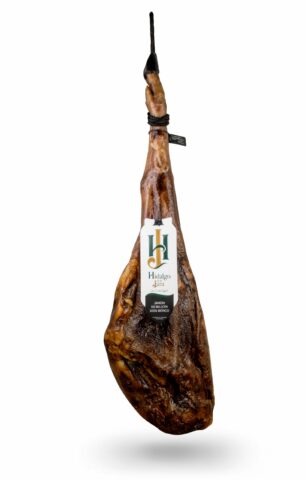
50% Iberian acorn-fed shoulder ham (red tag)

Next

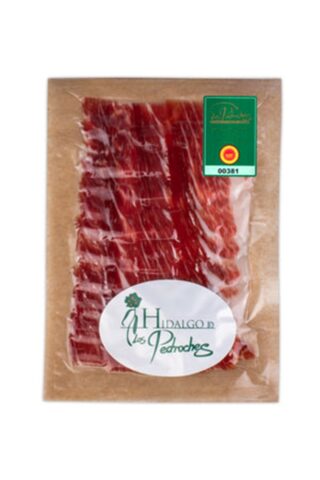
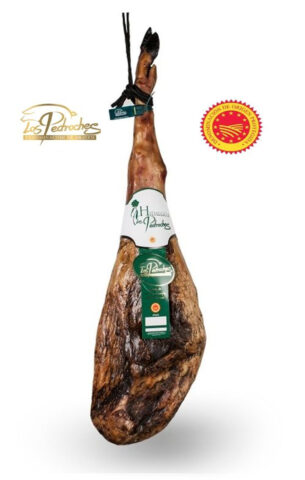
100% Iberian acorn-fed PDO Los Pedroches shoulder ham (black tag)

Price range: 170,00€ through 185,00€
Next Product Image

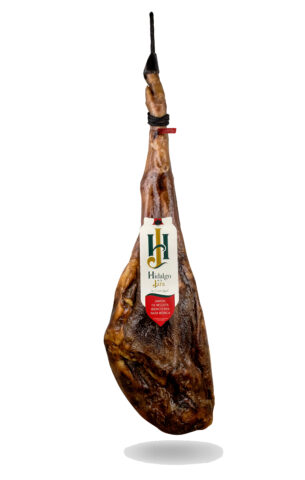
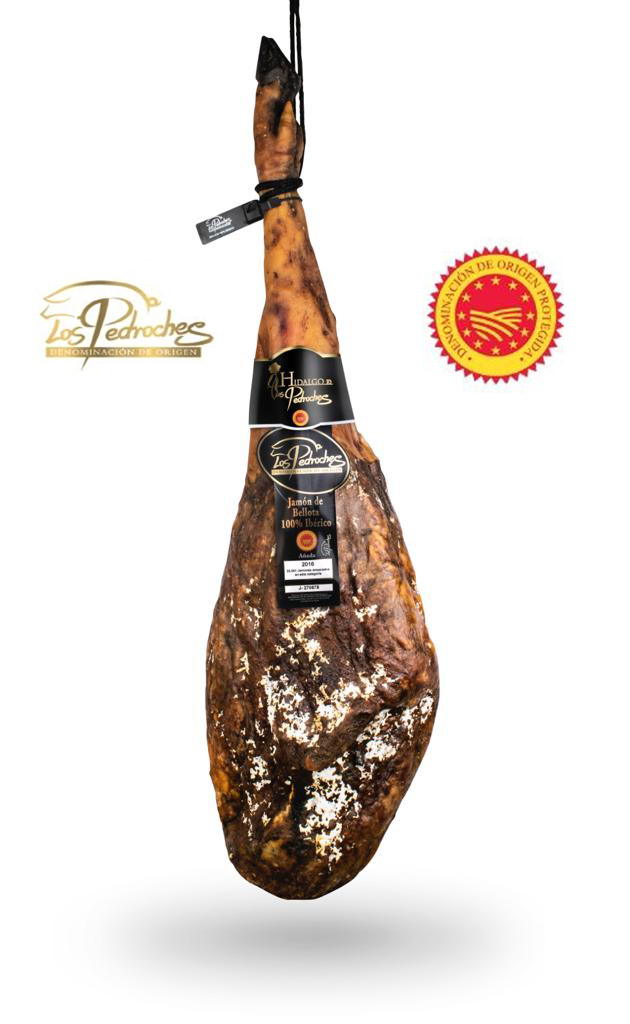
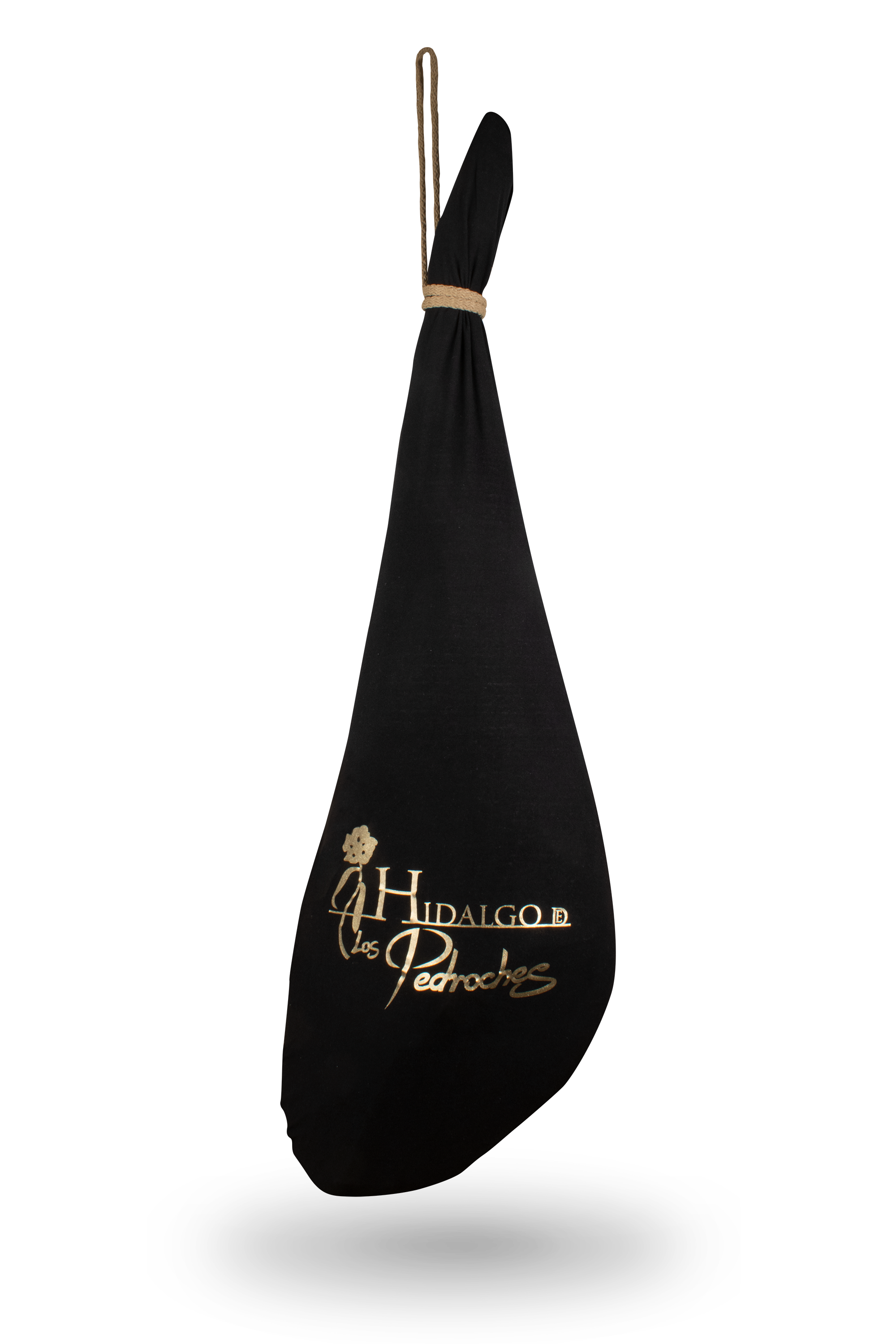
100% Iberian acorn-fed PDO Los Pedroches ham (black tag)

Price range: 440,00€ through 500,00€

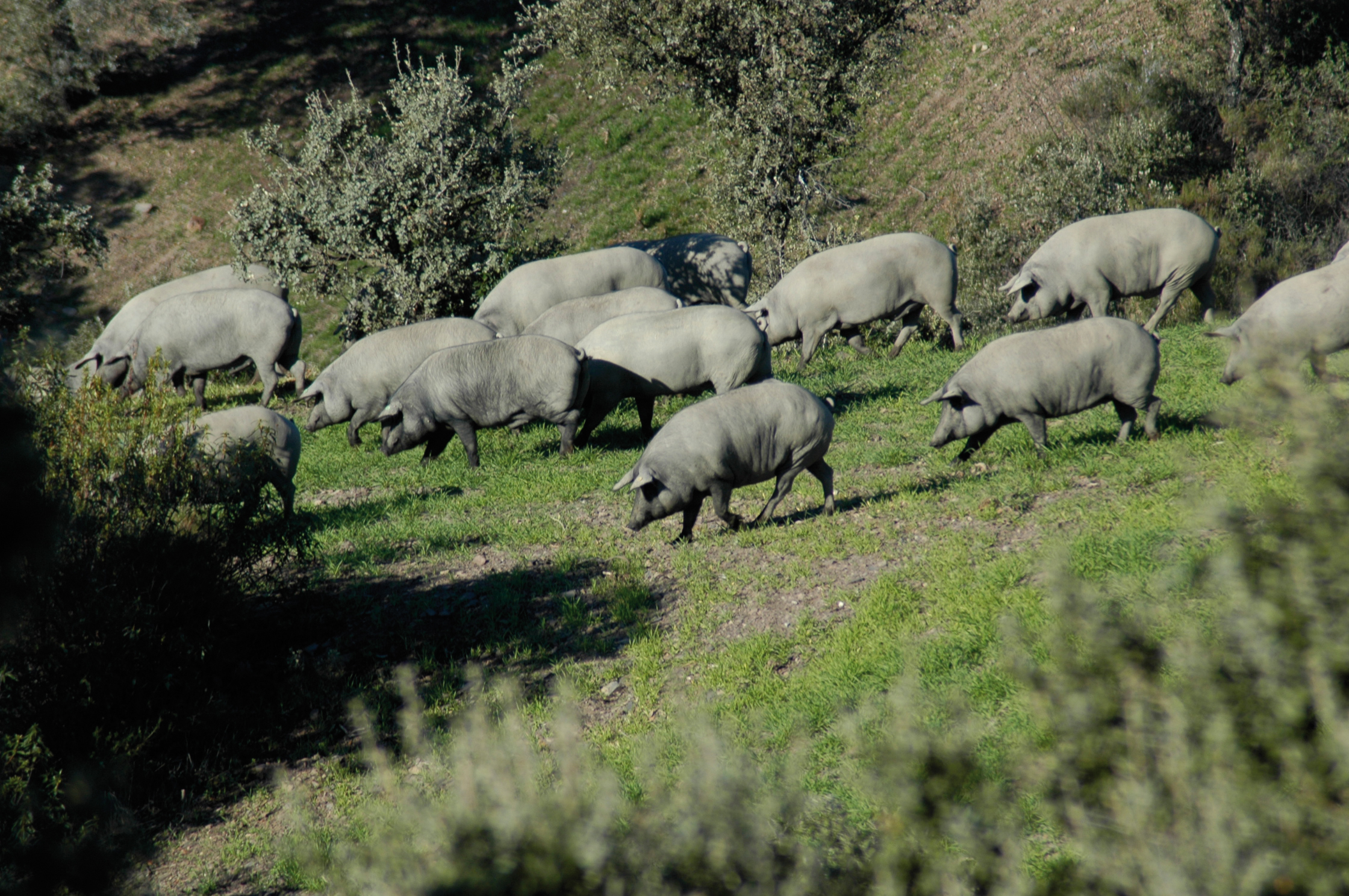
PDO Los Pedroches ham from a pure-bred 100% Iberian pig, acorn-fed and raised free-range on grass and other natural resources of the dehesa, with the guarantee of Hidalgo de Los Pedroches. Complies with Spanish Iberian quality standard RD 4/2014. Black tag. Shipping included. Dispatch in 1–2 business days for whole pieces; sliced pieces may take an additional day depending on demand.

Format

Total price:
Item will be shipped in 1-2 business days

Description

IDENTIFYING PRODUCTS BY TAG COLOUR Iberian ham can be quickly identified by the coloured tag attached near the hoof. There are four colours:

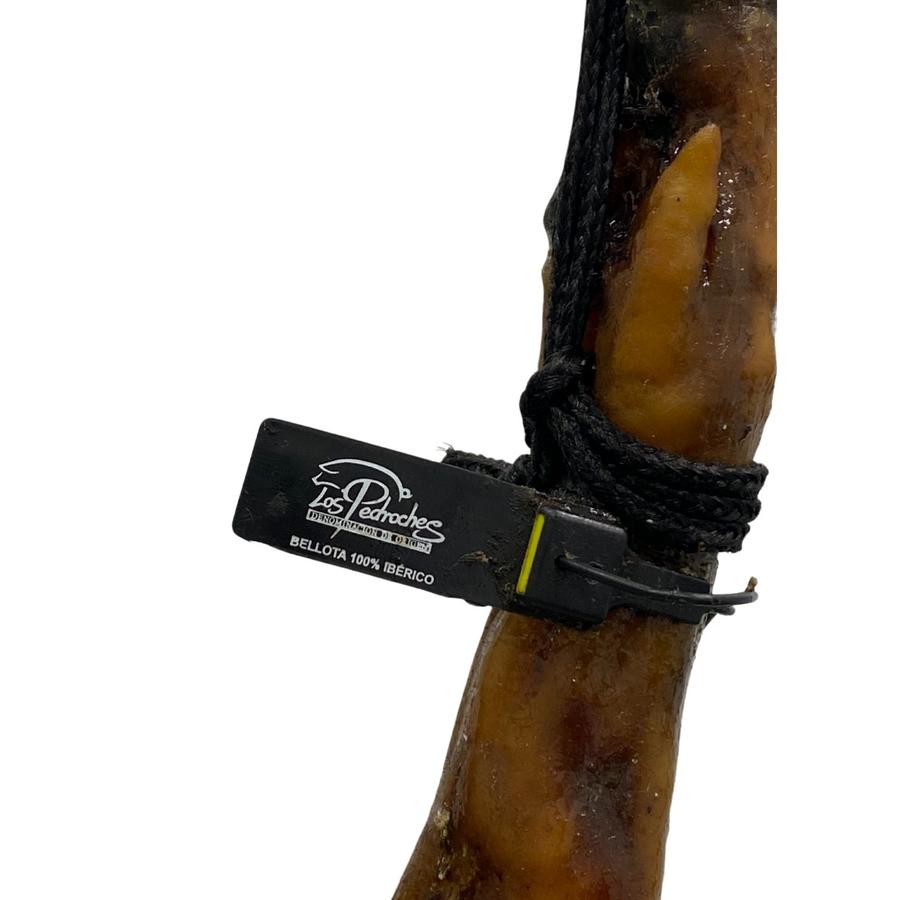
·        Black tag: for 100% Iberian acorn-fed ham. A black tag means the pig is 100% Iberian and, during the finishing period, was free-range in the dehesa, feeding on acorns and grass. Both parents are 100% Iberian and must be registered in the official Iberian pig herd book.

·        Red tag: for Iberian acorn-fed ham. These hams come from pigs that are 50% or 75% Iberian and, during the finishing period, were free-range in the dehesa, feeding on acorns and grass.

·        Green tag: for free-range grain-fed Iberian ham. These hams come from pigs that are 50% to 100% Iberian. They are raised free-range and feed on grain-based feed and natural resources, rather than finishing on acorns in the dehesa.

·        White tag: for grain-fed Iberian ham. These products also come from pigs that are 50% to 100% Iberian, but they are farm-raised rather than free-range and are fed on formulated feed.

PROTECTED DESIGNATION OF ORIGIN (PDO)

Protected Designations of Origin are used in Spain to recognise differentiated quality resulting from specific characteristics linked to the geographical environment in which the raw materials are produced and the products are made, as well as the influence of the people involved in the process. Producers that use a PDO undertake to follow defined standards to maintain consistently high quality. A public body also regulates the designation and monitors compliance with those standards. Spanish PDOs are protected under European Union regulations.

What is a PDO for?

For consumers, above all, it guarantees specific characteristics and a high, consistent level of quality. For producers, it protects them against similar products made in other areas and helps them reach new markets backed by the quality reputation of the PDO.

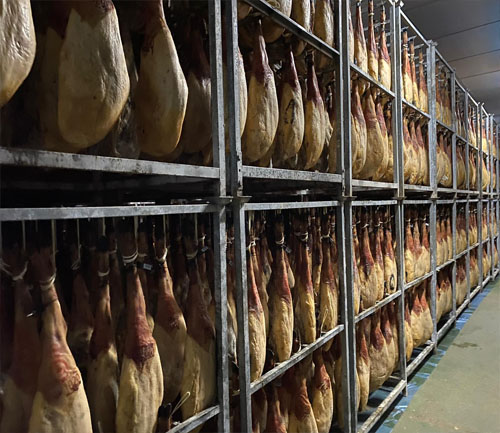
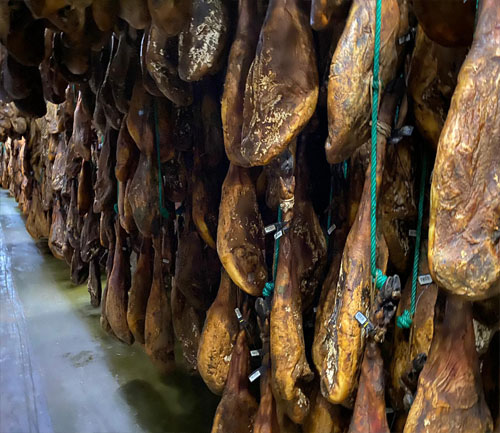
How are Iberian pigs raised? Our 100% Iberian pigs are born outdoors and are suckled by their mothers until they are old enough to fend for themselves and begin feeding on the resources of the dehesa. Piglets born in autumn may taste their first acorns during weaning, although most of the crop is reserved for the older pigs entering the montanera finishing season. During this period they typically grow from around 90–100 kg to 170–180 kg, feeding on acorns, grass and other natural resources from the dehesa, such as mushrooms, roots and tubers. What do the pigs eat before the finishing period? They feed on the natural resources of the dehesa. In summer, when these are scarcer, their diet is supplemented mainly with cereals and pulses. The farmers sow crops such as chickpeas, broad beans, vetch and oats so that, when summer arrives, the pigs can feed on them ad libitum, meaning directly in the field, without the crops needing to be harvested first. Temperature, humidity and ageing time for hams and shoulders. Our hams and shoulders go through several stages. The first is salting, carried out at very low temperature and high humidity. Depending on the weight of the piece, this lasts around two weeks. After a resting period in temperature- and humidity-controlled chambers, the pieces move to natural curing cellars, where temperatures range from around 18–20°C in summer to 10–12°C in winter. This slow curing process allows for long, optimal maturation — more than 30 months for the hams — and develops aromas that cannot be achieved through accelerated curing.

Additional information

Size

6–6.5 kg, 6–6.5 kg hand-sliced + bones + diced ham, 6–6.5 kg machine-sliced, 6–6.5 kg sliced for tapas + bones + diced ham, 6–6.5 kg boneless, 6.5–7 kg, 6.5–7 kg hand-sliced + bones + diced ham, 6.5–7 kg sliced for tapas + bones + diced ham, 6.5–7 kg boneless, 7–7.5 kg, 7–7.5 kg hand-sliced + bones + diced ham, 7–7.5 kg sliced for tapas + bones + diced ham, 7–7.5 kg boneless, 7.5–8 kg, 7.5–8 kg, PDO Los Pedroches, 7.5–8 kg hand-sliced + bones + diced ham, 7.5–8 kg sliced for tapas + bones + diced ham, 7.5–8 kg boneless, 8–8.5 kg, 8–8.5 kg hand-sliced + bones + diced ham, 8–8.5 kg sliced for tapas + bones + diced ham, 8–8.5 kg boneless, 8.5–9 kg, 8.5–9 kg sliced for tapas + bones + diced ham, 9–9.5 kg, 9–9.5 kg cut into several pieces, 6.5–7 kg hand-sliced in round packs + bones + diced ham

Shopping cart

0
image/svg+xml

There are no products in your cart.

Continue Shopping