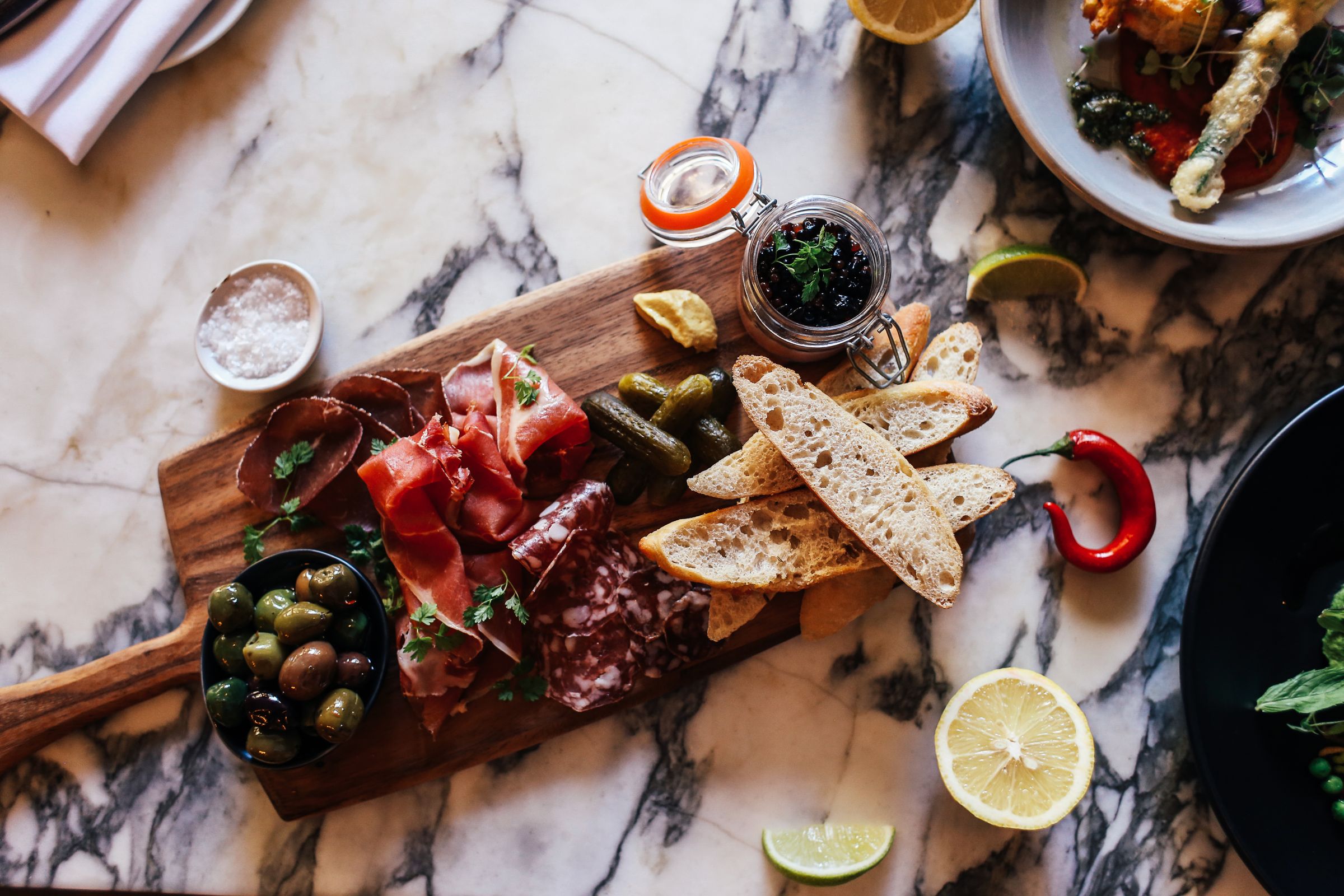
An Iberian charcuterie board can be a simple aperitif or the centre of an informal meal. What makes it good is not quantity but contrast, order and proportion. Ham or shoulder, loin, chorizo and salchichón all have different textures and aromatic profiles; serving everything ice-cold and piled together hides much of that difference.
A well-built board lets each product remain recognisable. Four variables matter most: how much to serve, serving temperature, tasting order and accompaniments that support rather than overwhelm the cured meats.
Different products play different roles
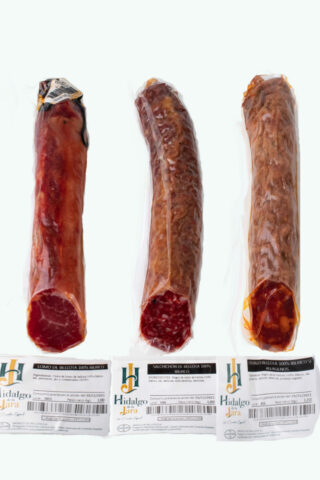
Ham and shoulder usually provide the most delicate balance of lean meat, fat and long curing aromas. Loin is an intact muscle that is seasoned and cured, giving a more uniform texture. Chorizo and salchichón are minced products with distinct seasoning, so their aromatic impact is generally more immediate.
That makes it possible to create a progression rather than a random assortment. Four very intense products with similar seasoning can be less interesting than a smaller selection with genuine contrast.
How much per person?
The amount depends on whether the board is an appetiser, a light supper or one element in a larger meal. If more food follows, 50–70 g of cured meats per person is a useful working range. If the board is the main event, 90–120 g per person can make sense, especially with bread, vegetables and preserves.
Proportion matters too. Give ham or shoulder a meaningful share and divide the rest between loin, chorizo and salchichón. Equal weights are not necessary; enough of each product to compare is the goal.
A four-person example
For a generous aperitif for four adults, around 120–150 g of ham or shoulder plus 50–70 g of two or three other cured meats creates a varied board without excess. Reduce those amounts if several other dishes are coming; increase them if the board will replace dinner.
Planning quantities avoids both an underfilled board and the opposite problem: large amounts sitting at room temperature for hours.
Serving temperature matters
Very cold cured meat has firmer fat and less expressive aromas. If sliced packs are stored chilled, give them enough time to lose the refrigerator chill, while always following the producer’s instructions. There is no need to heat them; the aim is simply a comfortable serving temperature.
Freshly carved ham can suffer from the opposite mistake: placing it on an ice-cold plate. A room-temperature plate is usually more appropriate.
A sensible tasting order
There is no compulsory sequence, but a useful sensory principle is from more delicate to more strongly seasoned or persistent. One possible order is ham or shoulder, loin, salchichón and chorizo. A chorizo with pronounced paprika is often best left until later.
This prevents powerful seasoning from dominating the perception of subtler products. Bread and water are usually enough between bites.
Arrange the board for eating, not only for photographs
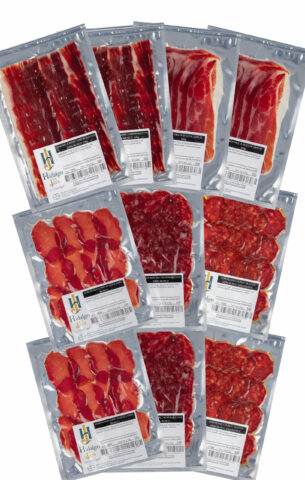
Keep product families visually separate. Ham can occupy a broad area with slices loosely arranged; loin can form a line or fan; chorizo and salchichón can sit in smaller groups. Clear sections make the board easier to navigate.
Leave space for accompaniments without allowing brines and oils to soak every slice. Olives, pickles and wet preserves are better in small bowls.
Bread should support, not dominate
A neutral loaf with a moderate crust generally works better for tasting than bread heavily flavoured with seeds, spices or dried fruit. Those breads can be delicious, but they make subtle comparison more difficult.
Small toasted slices with a little extra virgin olive oil are another option. Keep the oil restrained so that the board still tastes of the cured meats themselves.
Serve EVOO separately
Good extra virgin olive oil works beautifully with bread, tomato and vegetables, but it does not need to be poured over ham or cured sausage. Those products already have their own fat balance. Serving the oil on the side preserves their individual identity.
For guidance on choosing oil styles, see Picual, Arbequina or Lechín: which EVOO to choose.
Vegetables and preserves add useful contrast
Roasted peppers, tomato, artichokes, mild pickles and vegetable preserves introduce acidity, freshness and different textures. Keep them separate rather than covering the cured meats with sauces so guests can build their own combinations.
Fresh seasonal vegetables can do the same job. Tomato, pepper or tender greens help prevent the board from becoming heavy or repetitive.
What to drink
Wine, beer, sparkling water and non-alcoholic drinks can all work depending on the board. If the purpose is to notice differences between cured meats, avoid extremely sweet or strongly aromatic drinks that dominate the palate. Water should always be available.
Common mistakes
- Serving everything straight from the refrigerator: reduces aroma and changes fat texture.
- Mixing all products together: makes comparison difficult.
- Overloading the board with accompaniments: the cured meats should remain the focus.
- Slicing huge quantities too early: exposed surfaces gradually lose freshness.
- Choosing only by intensity: contrast is usually more interesting than repetition.
A simple formula that works
Start with four elements: ham or shoulder, loin, salchichón and chorizo. Add neutral bread, a small bowl of EVOO, one vegetable preserve and water. Put out moderate amounts and replenish when needed. The board will remain cleaner and products will be served in better condition.
For a deeper comparison of the main cured sausage families, read Iberian loin, chorizo and salchichón: differences and how to choose.
Hams and shoulders
-
EMDO Selection SaleSale!
 Select options
This product has multiple variants. The options may be chosen on the product page
Select options
This product has multiple variants. The options may be chosen on the product page
-
EMDO Selection SaleSale!Select options
This product has multiple variants. The options may be chosen on the product page
-
EMDO Selection SaleSale!Select options
This product has multiple variants. The options may be chosen on the product page
-
EMDO Selection SaleSale!Select options
This product has multiple variants. The options may be chosen on the product page

Cured meats
-
Sale!Select options
This product has multiple variants. The options may be chosen on the product page
-
-
-
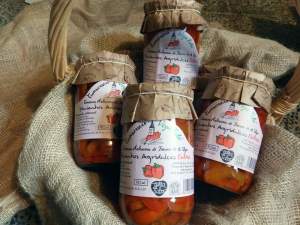 12 Jars of Sweet-and-Sour Peppers, 720 ml
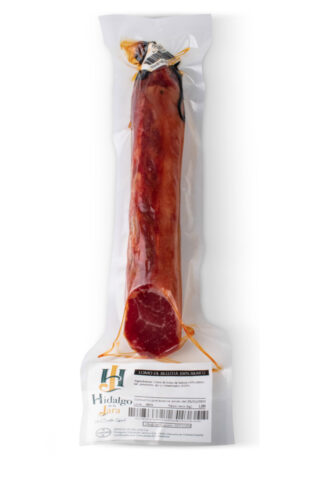
 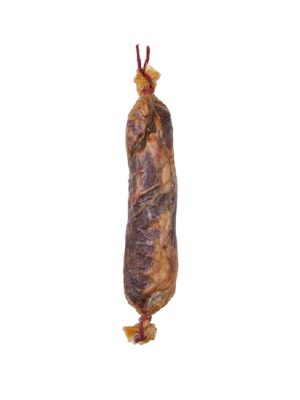 100% Iberian acorn-fed lomito (cured presa loin)