There is something pleasingly straightforward about a moka pot: water below, coffee in the funnel, and a few minutes before the kitchen begins to smell of breakfast. Yet it can be surprisingly unforgiving. An overly dark roast, the wrong grind or leaving the pot on the stove for too long can produce harsh flavours that people mistake for the way moka coffee is supposed to taste.
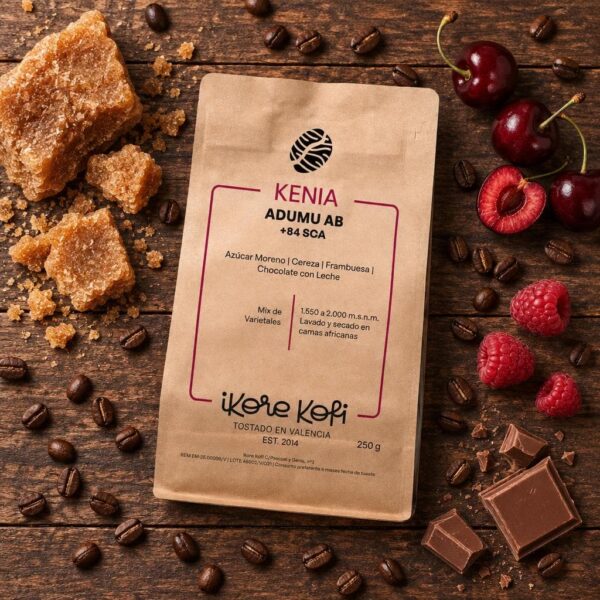
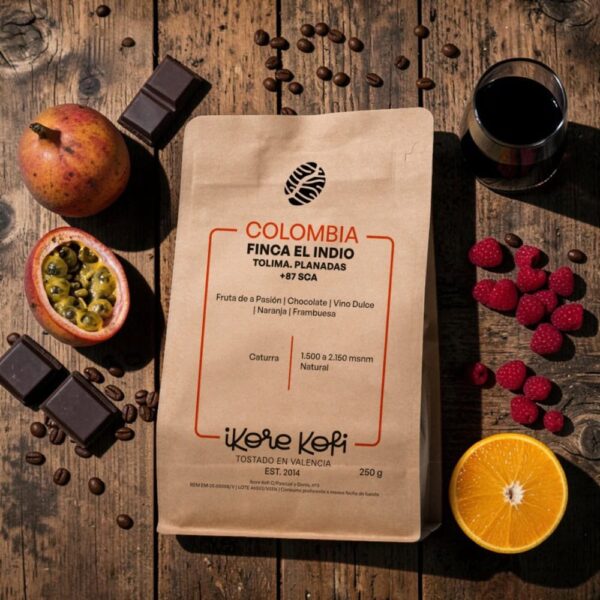
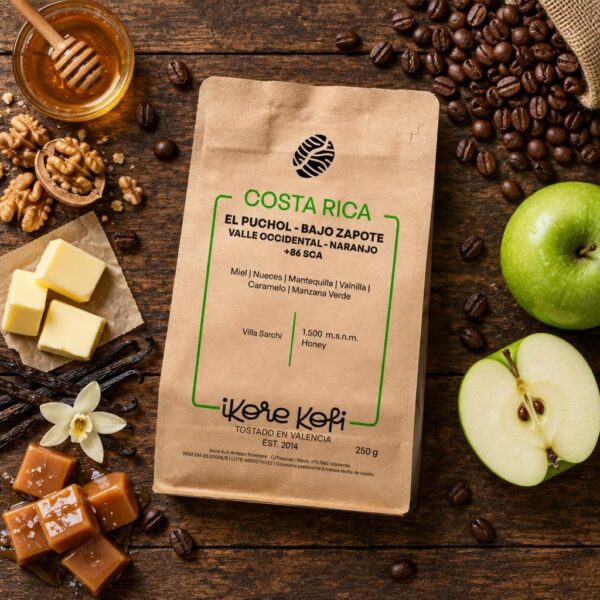
If you are starting out, try a medium-roasted coffee with chocolate or nutty notes, ground specifically for a moka pot. It is not the only combination that works, but it is a forgiving place to begin when you want a concentrated, balanced cup. You can move towards brighter fruit flavours or a more pronounced roast as you discover what you enjoy.
A moka pot doesn't make exactly the same drink as an espresso machine
A stovetop coffee maker uses pressure generated by steam to push hot water through a basket of coffee. The drink is generally stronger in body and concentration than filter coffee, but it is not the same as espresso extracted at the higher pressures of an espresso machine. A bag described as “espresso coffee” is therefore not automatically ideal for the moka pot.
A roaster may use “espresso” to describe the flavour profile of a blend, but the grind is a separate question. Ask for a moka-specific grind if you buy coffee ready-ground. Grounds that are too fine can restrict the water flow and contribute to harshness; very coarse grounds can produce a weak cup. The ideal setting depends on the pot and the coffee.
Roast level: a good starting point rather than a rule
Medium roasts often offer a useful balance of body, perceived sweetness and roasted character. If you prefer something gentle and aromatic, a medium-light roast is worth exploring, though it may require more adjustments. If you take milk in your coffee and enjoy a robust taste, a medium-dark roast can also work.
Do not assume a darker roast always contains more caffeine. Caffeine in the finished drink depends on the beans, dose and brewing method, among other factors. You certainly do not need sugar-roasted coffee to create a strong-tasting moka cup. A naturally roasted coffee can deliver plenty of intensity without dominating the taste with charred notes.
Origin is another preference rather than a strict prescription. A carefully composed blend may work as beautifully as single-origin beans. Tasting notes such as cocoa, caramel and nuts often point towards an approachable, round cup. Floral or citrus flavours can be delightful too, although someone accustomed to a very dark roast may find them unfamiliar at first.
Whole beans or ground coffee?
If you own an adjustable burr grinder, beans give you the flexibility to change extraction from one batch to another. Begin with a medium-fine grind, generally coarser than you would choose for conventional high-pressure espresso, then make small changes to suit your particular machine. Numbers on one grinder rarely translate directly to another.
If you do not own a grinder, buying the correct pre-ground coffee for moka is an entirely sound choice. Just avoid picking an extremely fine espresso grind by default. Once the package is opened, close it carefully and try not to store more coffee than you can reasonably finish. Our whole-bean versus ground coffee comparison explains when the extra equipment is worth it.
Good beans cannot fix every brewing mistake
Fill the bottom chamber with water without exceeding the safety valve. Put grounds in the filter basket without tamping them down, and check the seal and other parts are clean and in good condition. Filling the basket level is customary; packing it tightly as you would an espresso machine can interfere with water flow.
Use moderate heat and watch the coffee as it emerges. When the flow turns irregular and begins to sputter, take the pot off the heat. Leaving it on a hot burner after the extraction has finished can damage the taste. Always follow the instructions for your specific moka model, since materials and heating arrangements differ.
If the drink tastes excessively bitter, the coffee itself may not be the entire problem. Consider whether the pot stayed on the heat too long, the grounds are too fine or the roast is simply darker than you enjoy. Change one thing at a time. If the coffee seems thin, check the dose, grind and whether the seal is working properly.
What I would buy for different tastes
For a rounded black coffee, start with a medium roast, familiar cocoa or nut notes and an appropriate moka grind. For milk drinks, a medium to medium-dark roast can provide the body you want without becoming burnt. If you enjoy exploring coffee, try a medium-light specialty roast with an adjustable grinder.
Match the bag size to your consumption and make sure the listing confirms the actual grind or bean format available. An excellent moka cup does not demand an expensive bag or elaborate ritual. It needs a coffee you enjoy and a method that does not spoil it. Once you find that balance, the stovetop pot becomes an easy everyday pleasure again. Before ordering, inspect the available coffees' roast and format to see what suits your moka pot.