Buying fruit online is convenient when you want varieties that are difficult to find locally, need a box for the family or prefer to compare growers at your own pace. There is, however, one important difference from choosing fruit at a local shop: you cannot pick up each piece, smell it or feel how firm it is before paying. A good online purchase therefore starts with the quality of the information on the product page, well before the delivery arrives.
The best order is not necessarily the cheapest box per kilogram or the one with the prettiest photograph. It is the one that provides fruit you enjoy eating, in a realistic quantity, at a stage of ripeness that fits your plans. That calls for a little thought about seasons, storage, packaging and the true cost of delivery.
Picture the week ahead, not just the box
Imagine two households. One consists of two people who often eat breakfast away from home and only occasionally reach for fruit. Another has five people taking pieces of fruit to work and school every day. A large box may make perfect sense for the second household but create waste for the first, even if the unit price is lower.
Before opening an online catalogue, estimate how many portions you actually eat in a week and whether the fruit can be stored for a while. Well-kept oranges or apples can be suitable for larger orders. Delicate, highly ripe fruit needs a different plan. With mangoes or avocados, choosing pieces at different stages can help spread out the days when they are ready to eat.
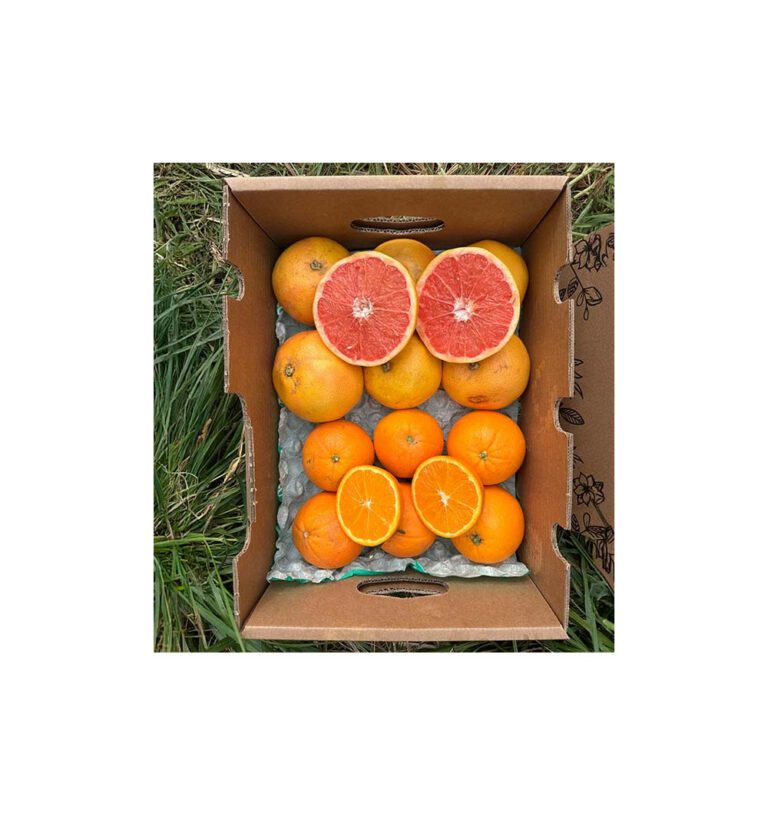
Mixed fruit boxes are a tempting way to discover new flavours. Read their composition carefully, though. A photograph showing eight varieties does not necessarily mean that each will be present in equal quantity. Some sellers offer a seasonal assortment whose contents vary; others name individual fruits and weights. Either can work, provided you know what to expect.
Season and origin: two useful clues, not guarantees
Fruit in its local growing season may be a good reason to explore Spanish producers and varieties that are only harvested during part of the year. But the word “seasonal” means different things for a mango grown in Andalusia, an orange from eastern Spain or imported tropical fruit. Harvests depend on region, cultivar and weather, and a shop may offer fruit from several countries.
Look for specifics: the variety, where it was grown and, where possible, the relevant harvest window. A listing that says only “fresh and delicious fruit” tells you little about what you will receive. A clearly named Bacon avocado or Osteen mango can give you much more useful expectations about appearance, flavour and handling.
Shorter distance does not automatically prove a fruit is sweeter, was picked yesterday or was grown organically. Those are separate claims. A transparent seller distinguishes origin from harvest timing, growing methods and delivery estimates. If you are shopping specifically for Spanish-grown fruit, check the origin of the individual item rather than assuming it from the address of the online retailer.
Firm fruit on arrival is not automatically a problem
The right ripeness depends on when you intend to eat the fruit. An avocado or mango that takes a few days to soften may be ideal if the seller has made that clear. An entire box of already very ripe fruit can be less convenient if you are away for most of the week.
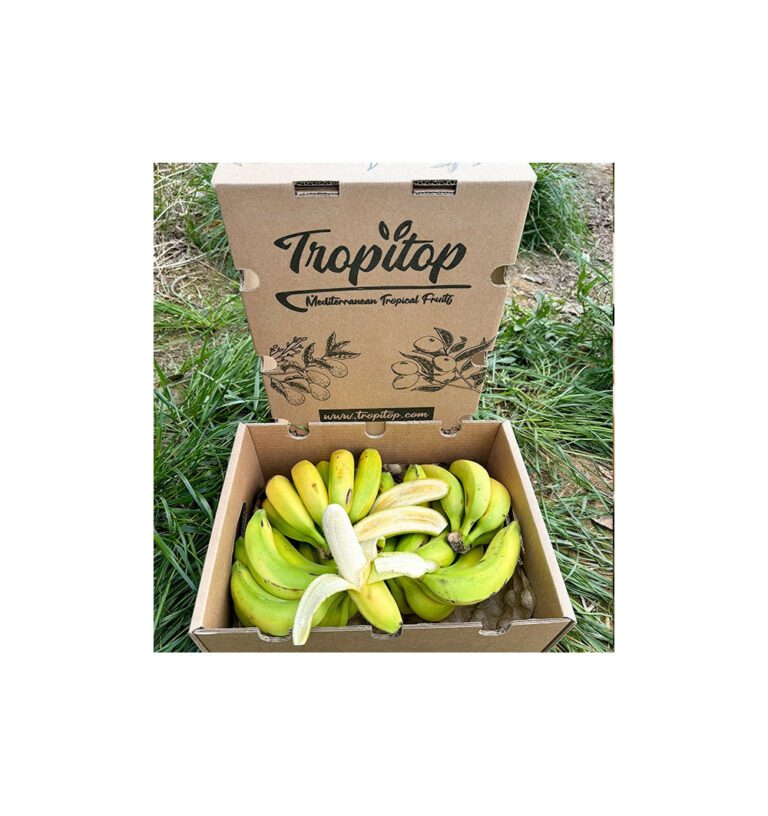
Fruit does not all behave the same way after harvest. Bananas, mangoes and avocados can continue to change significantly as they ripen. Oranges do not develop additional sweetness in the same way once picked. That is why one instruction such as “leave everything out for three days” makes little sense for a mixed fruit delivery.
If you need fruit for a particular event or date, check whether a seller normally dispatches it ready to eat or firm enough to finish ripening at home. In a larger order, having a mix of ripeness stages may actually make the fruit easier to enjoy without waste.
Compare kilograms rather than photographs
A low price for a box may conceal a small net weight. Another box with a higher price might contain much more fruit. Calculate the price per kilogram and consider delivery charges separately. In some categories, the stated fruit size or calibre can help you estimate how many pieces to expect; it is not a universal measure of sweetness or overall quality. A larger mango is not inevitably tastier than a smaller one.
Read whether the listed weight refers to net fruit or the complete package, and whether the assortment changes with availability. Three-, four- and nine-kilogram boxes are not equally useful for every household. The sensible size is the one you can finish while the contents are still enjoyable, given your available storage space.
When comparing two sellers, do the complete calculation: look at the price of the fruit, the actual kilograms and the shipping cost to your address. A headline price may look attractive until transport is added. The final delivered cost is a fairer basis for a buying decision.
Fresh fruit needs appropriate handling in transit
Delivery terms are part of what you are buying. A shop should explain where it delivers, how shipping charges are worked out, the expected time frame and what happens if nobody is available to receive the parcel. Not every type of fruit needs continuous refrigerated transport, but the handling should suit the fruit and the weather. Excessive heat, crushed cartons and rough treatment can spoil otherwise excellent produce.
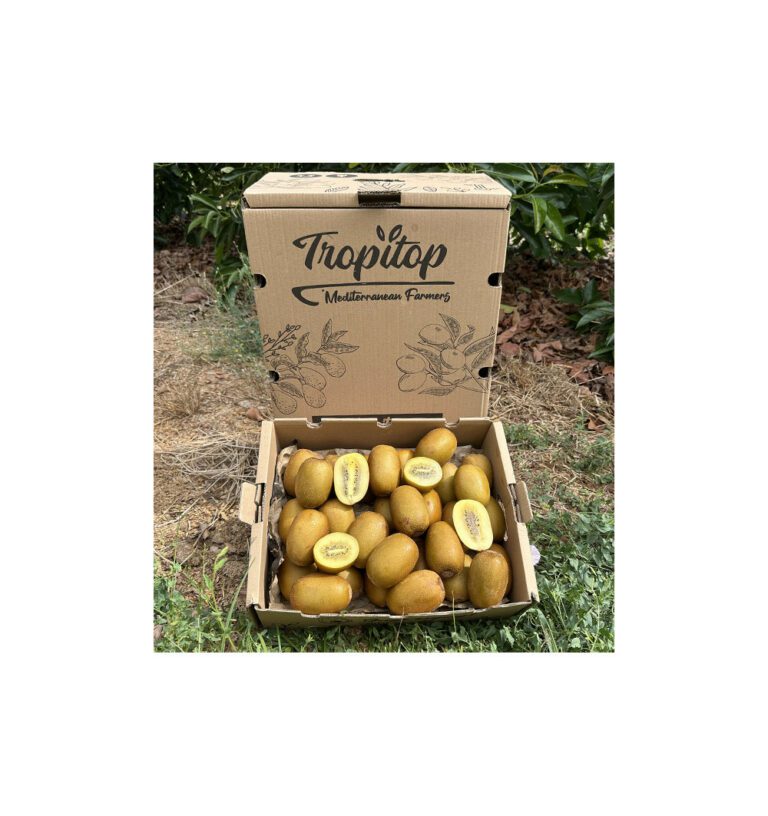
Look for information about packaging and how the pieces are protected from movement and pressure. Simple packaging can do the job very well when it is strong and carefully prepared. Fancy printed cardboard is no substitute for good protection. Be cautious with promises such as “picked today, delivered tomorrow” unless the claim is realistic for the product, origin and destination.
Arrange delivery so someone can take the box inside and check it reasonably promptly. Leaving delicate fruit for hours in a hot porch or direct sunlight is unlikely to improve it.
Your first few minutes after delivery
Open the box and confirm the varieties and quantities broadly match the order. A superficial mark on the peel does not always mean the fruit is unusable, but serious bruising, visible mould or widespread breakdown deserve attention. If there is a meaningful issue, document the condition of the parcel and contact the seller using the available customer service procedure.
Next, sort the fruit by ripeness and storage needs. Do not automatically refrigerate every piece or leave everything in one sealed bag. A firm mango, an orange and a delicate berry may need quite different care. Set aside fruit you will eat first and remove pieces that are clearly deteriorating before they affect the rest.
When buying from a grower may be worth it
A grower can sometimes give particularly useful information about varieties, harvest periods and the typical condition of fruit when it is dispatched. Direct-order box sizes may also suit households that eat a lot of fruit. But buying from a producer is not automatically better than using a local fruit shop: compare the actual fruit, transparency, full cost and service.
A sensible first order is a moderate quantity of varieties you already enjoy from the fresh fruit selection. See how they arrive, how quickly you eat them and whether the descriptions match your experience. Once you have that confidence, larger boxes or unfamiliar fruit may be much more appealing.
Buying fresh fruit online should simplify your routine rather than leave you struggling to finish half a shipment. The most useful retailer is not the one promising every fruit all year round, but the one helping you choose clearly identified varieties, realistic quantities and a delivery you can receive and enjoy.