A bean-to-cup machine offers an attractive promise: press a button and your coffee is ready. The built-in grinder measures and grinds the beans, the machine extracts the drink and some models also froth milk. Yet a new bag can change the flavour dramatically. Coffee that tastes delicious through a filter brewer may come out unusually sour or bitter with the settings you have used for months.
You do not necessarily need a coffee marketed as “specially for superautomatic machines”. The useful starting point is naturally roasted whole beans that suit your tastes and follow the equipment manufacturer's guidance. You can then refine the extraction. The common mistake is expecting very different beans to taste identical with the same recipe.
Check what your grinder is designed to handle
Automatic grinders use different materials and designs. Some manufacturers warn that extremely dark, oily beans can leave deposits that make maintenance more difficult. Others specifically advise against caramelised, sugar-roasted or artificially flavoured beans because coatings may interfere with the grinding mechanism. The instructions for your particular machine take precedence over any general buying advice.
A medium natural roast is often a straightforward first choice. Beans of this style are generally dry-looking or only slightly glossy and can produce a balanced cup. That does not mean every dark roast will harm a machine, or that a shiny bean is automatically unsafe. It simply makes sense not to start at the extremes when you do not yet know what your machine tolerates well.
If your model has a separate ground-coffee bypass, use it only in the way the manual permits. Never pour pre-ground coffee into a hopper intended for whole beans. That can block the mechanism and lead to expensive repairs.
Match the roast to the drink you like
For a rounded black espresso, you might enjoy a medium roast with cocoa or nut notes. If most of your drinks contain milk, a medium-dark coffee with more pronounced roast flavour may hold its own nicely. A medium-light specialty coffee with floral or fruit notes can also be interesting, though you may need to adjust the machine's extraction settings.
Many bean-to-cup machines let you select a “strength” level. That label does not necessarily describe the roast or the amount of caffeine. Depending on the model, it may mainly change the dose of coffee used. Selecting a stronger setting cannot transform delicate beans into a dark roast. It can change the drink's concentration, but it cannot create tasting notes that were never there.
Likewise, “100% arabica” is not an automatic mechanical advantage over a carefully made blend containing robusta. Those species have different flavour and caffeine profiles, but what matters to your machine is whether the bean is suitable for its grinder. What matters to you is how the coffee tastes in your daily cup.
Change one setting at a time
Imagine switching to a new bag and finding the coffee weak. Rather than adjusting everything at once, begin with a familiar recipe. Keep the water volume stable while you alter a single variable, such as the strength setting or one step on the grinder when the manufacturer allows it.
Some superautomatic models require grinder adjustments while the grinder is running; others use different procedures. Follow the instructions and allow a few drinks before judging the change. A finer grind may increase extraction, but too fine can cause slow flow and bitterness. A coarser grind may help water move, but can leave the drink thin if taken too far.
Temperature, drink volume and the cleanliness of the brewing system also affect flavour. If a particularly light coffee remains sharp despite sensible adjustments, changing to another roast may be more useful than pushing every setting to its limit.
Maintenance can matter as much as the beans
Convenience does not remove the need to clean the machine. Empty the grounds container, clean removable parts in the way the maker recommends and run descaling and cleaning cycles when needed. Coffee oils and residues can accumulate and create stale flavours that are easily blamed on a new bag of beans.
When comparing coffees, avoid topping up an almost empty hopper with large amounts of the next bean. If possible, finish the remaining coffee and clear accessible residue before trying the new bag at your usual settings. Do not dismantle sealed parts or use unapproved cleaning chemicals.
Choose a bag you can evaluate properly
Look for a listing that states the roast level, general flavour profile, available weight and origin where known. A modest bag is a good first purchase because it lets you check how the coffee behaves before committing to a full kilogram. Compare the price per kilogram, but also how quickly your household finishes an open package.
If your machine offers very long coffee drinks, consider experimenting with a shorter extraction followed by hot water if the model supports that approach. It may produce a cleaner cup than pushing far more water through the same grounds. Always work within the machine's recommended settings.
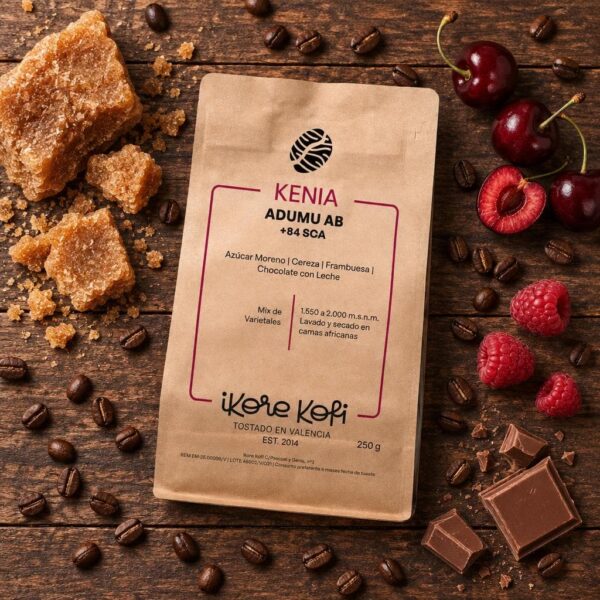
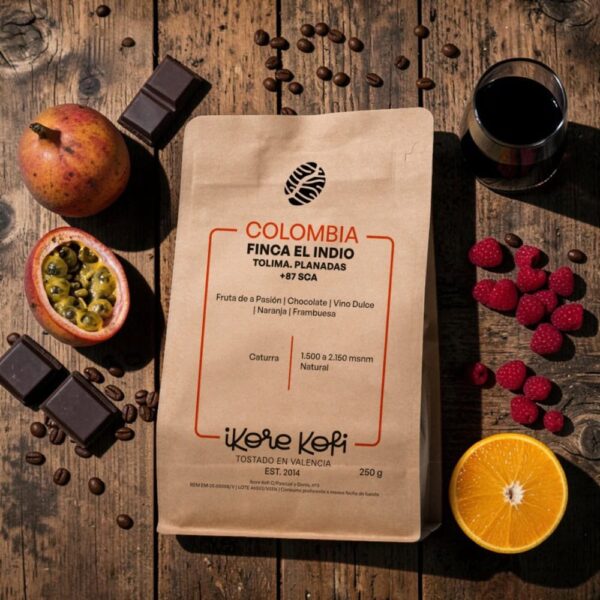
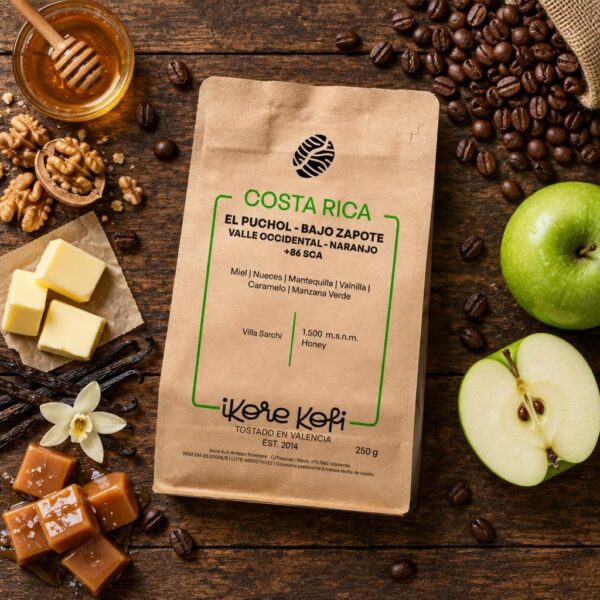
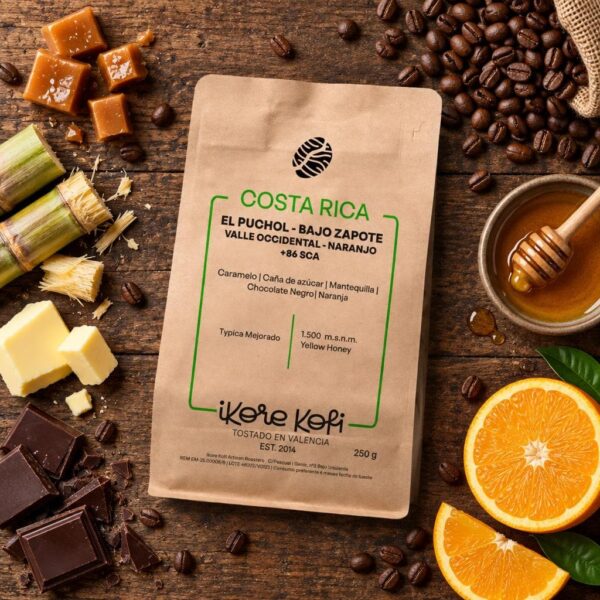
My first choice for an unfamiliar machine would be natural medium-roasted beans, not extremely oily, with an approachable flavour profile. I would adjust strength and grind gradually, keep up with maintenance and change beans when I wanted a different flavour. The best coffee for a bean-to-cup machine is the one that tastes good without turning a convenient appliance into an unnecessary daily challenge. The coffee listings currently on sale describe each profile; also check that the beans suit your machine.