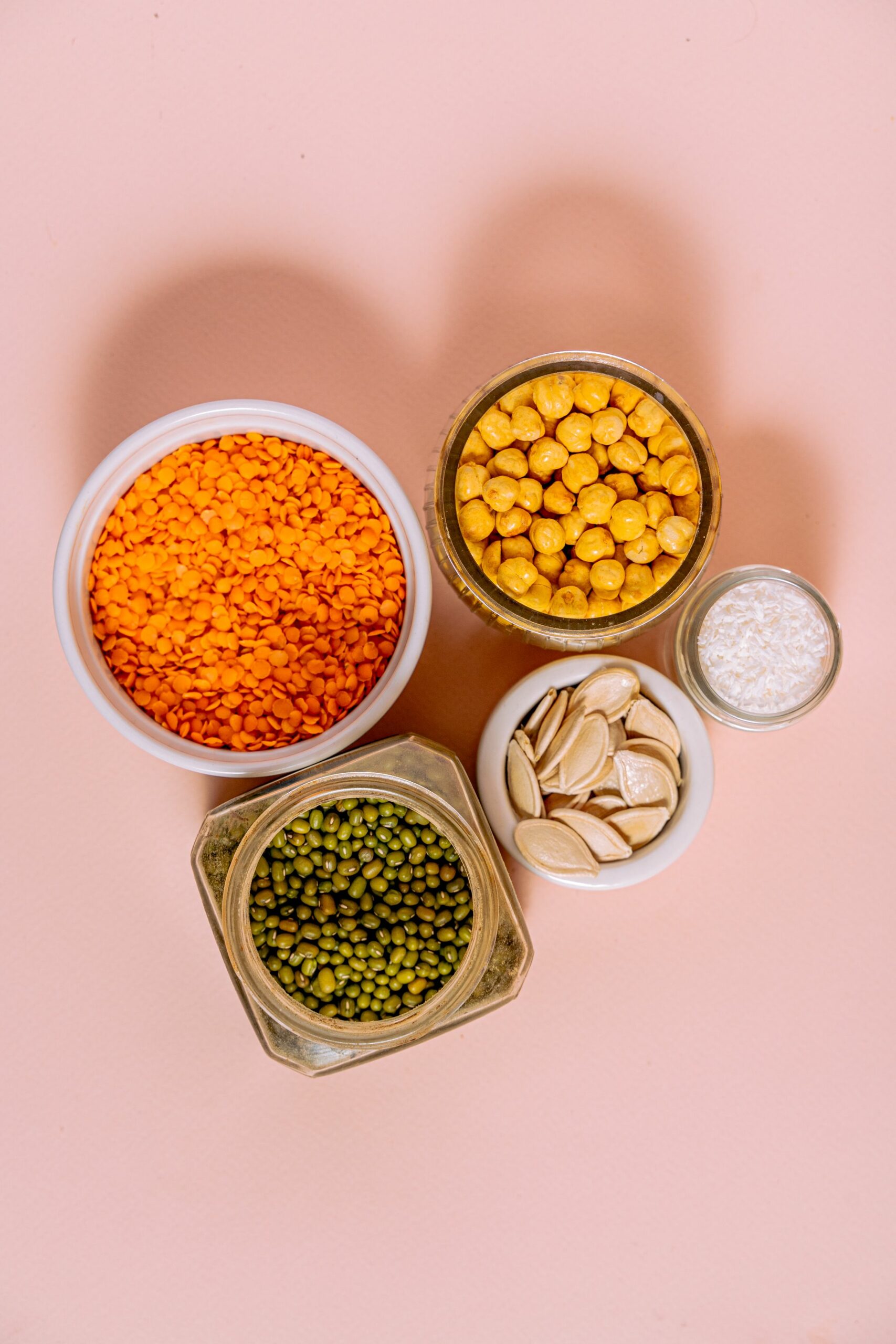
Chickpeas, lentils and beans belong to the same broad culinary family, but they behave very differently. Size, skin, starch, ability to hold shape, soaking needs, cooking time and the way they thicken broth all vary. That is why a pulse that works beautifully in a long stew may be less suitable for a salad, and why two bean varieties can give very different results even with the same recipe.
Choosing well does not require memorising dozens of varieties. Start with the texture you want at the end: a firm grain, creamy centre, thick broth, quick cooking or resistance to long simmering. Each group has clear strengths.
Chickpeas: firm structure and a creamy centre
Chickpeas have a noticeable skin and a dense interior that should become tender and creamy without collapsing when cooked well. This combination makes them particularly useful in stews, soups, warm salads, one-pot dishes and blended preparations such as hummus.
Most dried chickpeas benefit from a long soak. Soaking is not cooking; it hydrates the seed so heat can penetrate more evenly later. A properly hydrated chickpea tends to cook more uniformly from skin to centre.
Lentils: flexible and easier to plan around
Lentils are smaller and many varieties can be cooked without prior soaking, although a short soak may shorten cooking time and improve uniformity. Their main strength is flexibility: stews, soups, salads, purées and quick pantry meals all suit them.
Different lentils behave differently. Small varieties can hold their shape extremely well; others break down more readily and thicken the cooking liquid. For salad, choose a lentil that remains intact. For a thick stew, a variety that releases some starch can be an advantage.
Beans: many textures hidden under one name
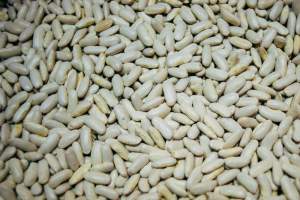
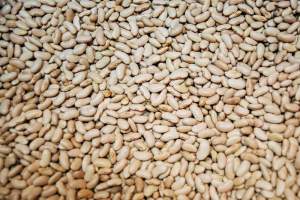
“Beans” covers an enormous range of sizes, skins and cooking behaviour. Some white beans become exceptionally buttery, some small beans remain delicate and neat, while coloured beans can produce dense, deeply flavoured broths. Treating every bean as the same ingredient misses much of what makes them interesting.
Dried beans generally benefit from soaking. During cooking, many varieties release starch and help create creamy broths without added thickeners. This makes them ideal for slow stews, bean soups and vegetable dishes where the cooking liquid is part of the attraction.
Soaking: the need is not the same for every pulse
Soaking is particularly useful for chickpeas and beans. It hydrates the grain before heat is applied and reduces cooking time. Lentils vary more by cultivar and size. Our complete dried pulse cooking guide covers soaking, water, salt, acidity and common mistakes in detail.
Age also matters. Dried pulses stored for a long time may take longer to soften. This is one reason producer instructions are valuable: the producer knows the size and behaviour of the particular variety being sold.
Which pulse is best for a long stew?
For long cooking, we want a grain that can soften without disintegrating too early. Chickpeas and many beans perform very well because they tolerate extended cooking and contribute body to the broth. Lentils also make excellent stews but reach tenderness sooner because of their smaller size.
If meat is cooking for several hours, it may make sense to add the pulses later so both components finish at the same time. Not every ingredient needs to enter the pot at minute one.
For salads: firmness comes first
In a pulse salad, the grain should hold its shape after cooling and mixing. Properly cooked chickpeas, firm lentils and certain small beans are particularly effective. Stop cooking when the centre is tender but before skins are breaking across the whole batch.
Dressing timing matters too. Acidic ingredients are generally best added once the pulses are tender rather than early in cooking, when acidity can slow softening.
For purées, soups and hummus, the priorities change
If the pulse will be blended, keeping every grain intact is no longer important. Hummus benefits from very tender chickpeas for a smooth texture. Lentil and bean soups can take advantage of starch and internal creaminess. Slightly longer cooking may be desirable here.
Reserved cooking liquid is useful for adjusting the final texture because it contains both flavour and starch. It is often a better tool than adding fresh water during blending.
How each pulse changes the broth
Beans are particularly good at producing thick, silky cooking liquids. Lentils can thicken quickly as some grains open. Chickpeas usually keep a clearer distinction between grain and broth, although vegetables, a sofrito or a small portion of blended chickpeas can create body.
There is no universally correct texture. A clear broth may be ideal in one traditional dish; a dense sauce may be essential in another.
Dried or pre-cooked?
Cooked pulses offer speed and consistency. Dried pulses give you control over doneness, broth texture and aromatics from the beginning. For a quick salad, a good jar is extremely convenient. For a stew where texture is central, starting from dried gives more control.
When using canned or jarred pulses, check ingredients, texture and packing liquid. Some recipes benefit from rinsing; in others, some liquid can be useful if its composition and flavour suit the dish.
How to build a useful pantry
A practical combination is one chickpea for stews and salads, one lentil for fast meals and one creamy bean for slow dishes. Those three staples can produce dozens of meals without filling the cupboard with varieties that remain unused for years.
Store dried pulses somewhere cool, dry and protected from light, ideally in closed containers. Rotation matters: even though dried pulses keep for a long time, their cooking behaviour can change as they age.
Start with the dish, then choose the pulse
For structure and versatility, think chickpeas. For speed and flexibility, lentils are hard to beat. For deep, creamy stews, beans offer an enormous range of possibilities. The specific variety then fine-tunes the result.
The best pulse is not necessarily the biggest or most expensive one. It is the one that delivers the texture and behaviour your recipe needs.

 Pimiento lamuyo rojo
 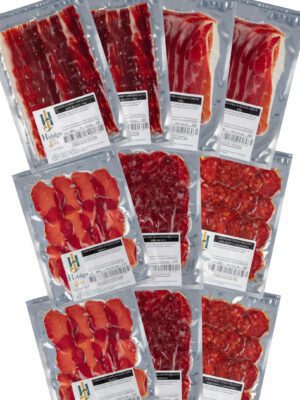 Tasting pack of 100% Iberian acorn (2x ham, 2x shoulder ham, 2x cured loin, 2x salchichón, 2x chorizo)