Cooking dried pulses sounds elementary: water, heat and time. Yet a creamy bean that keeps its skin, a chickpea that is tender without collapsing and a lentil that holds its shape are all influenced by several decisions. Variety, age, soaking, water composition, boiling intensity and the timing of other ingredients can change the final texture substantially.
The good news is that your pot does not need to become a laboratory. You only need to understand the purpose of each stage. Soaking hydrates; cooking softens structures; time allows water and heat to reach the centre. When a pulse “refuses” to soften, there is usually a more useful explanation than simply adding another random hour.
Not all pulses need the same treatment
Chickpeas, beans and lentils share a culinary family but differ in size, skin and internal structure. Dried beans and chickpeas usually benefit clearly from pre-soaking. Many lentils, particularly smaller varieties, can be cooked directly without soaking, although a brief soak may reduce cooking time for some types.
Producer instructions therefore matter. A small brown lentil, a large white bean and a substantial chickpea should not automatically receive the same timetable. Variety matters more than a universal chart.
What soaking actually does
During soaking, the seed absorbs water and begins hydrating before it enters the cooking pot. FAO material and research on pulses show that soaking can significantly reduce subsequent cooking time. The exact reduction depends on species, variety, temperature, duration and the composition of the soaking water.
For domestic cooking, an overnight soak is convenient for chickpeas and many beans. There is no need to obsess over an identical number of hours every time. The aim is adequate hydration without leaving pulses for an unnecessarily long period at warm room temperature. In a hot kitchen, or for a long soak, refrigeration is sensible.
How much water should be used for soaking?
Pulses increase substantially in volume as they hydrate, so cover them generously with water and leave room for expansion. If the water level begins too close to the surface of the seeds, some can end up above the liquid as they swell.
After soaking, the pulses can be drained and cooked in fresh water. This is a simple, repeatable method that gives you a clean starting liquid and good control of the recipe.
Hard water: one possible reason pulses take longer
Water is not chemically identical from one city to another. Higher concentrations of certain minerals can influence softening of plant cell walls and extend cooking time. If a recipe that works reliably in one place repeatedly produces stubbornly firm beans somewhere else, the water may be part of the explanation.
You do not need to buy special water every time you cook. But when investigating a persistent problem, testing a lower-mineral water once can be useful.
Does salt make beans hard?
The old rule “never add salt until the end” is too simplistic. Research on dry beans has found that certain salted soaking solutions can actually reduce cooking time and influence texture favourably. The effect depends on salt concentration, variety and water chemistry.
From a culinary perspective, moderately salting the cooking liquid can prevent the inside from tasting completely unseasoned. What you do not need is an excessively concentrated brine unless the recipe calls for one. Salt should be adjusted to the dish, but it should not automatically be blamed for every hard bean.
Baking soda works, but it is not neutral
A small amount of sodium bicarbonate can accelerate softening considerably by changing the cooking environment. This can be useful with unusually resistant pulses or when an exceptionally soft texture is wanted for a purée.
Faster does not always mean better. Too much bicarbonate can encourage skins to split, create an overly soft texture and alter flavour. With good-quality pulses that have been stored properly and soaked appropriately, it should not be the automatic solution.
Acid deserves more attention
Tomato, vinegar, wine and other acidic ingredients can slow softening when added very early. That does not mean they should be avoided; many outstanding pulse dishes depend on them. It simply means the timing can be controlled.
If tenderness is the priority, cook the pulses until they are well advanced before adding the acidic component. This gives you the flavour without asking the pulse to soften in a less favourable environment.
A violent boil is not better cooking
Once cooking has begun, an excessively aggressive boil knocks pulses against each other and the sides of the pot. Skins may split and exteriors can break down before the centre has reached the same texture. A steady, moderate simmer is preferable for many dishes.
Beans are particularly sensitive when you want them to reach the plate intact. Vigorous stirring also causes damage. Traditional cooks often move the pot gently rather than repeatedly attacking the beans with a spoon.
Why can a chickpea be soft outside and hard in the centre?
Water and heat need time to reach the middle. With large chickpeas, rushed cooking can soften outer layers while the centre remains resistant. Pre-soaking reduces the hydration distance and promotes more even cooking.
Age also matters. Changes during long storage can make pulses harder to soften. A dried pulse does not suddenly become unusable on a particular date, but a very old batch may require more cooking and give less predictable results.
Chickpeas: tender but not collapsing
For most chickpea dishes, the ideal is a completely tender centre with enough structure to hold the seed together. Pre-soaking is particularly useful. In a conventional pot, cook steadily until the centre can be crushed easily and no chalky resistance remains.
For hummus, cooking can go further because very soft chickpeas help create a smooth purée. For salad, stop earlier before the seeds begin to disintegrate. The ideal endpoint depends on the dish.
Lentils: less planning, more attention at the end
Many small lentils require no soaking, making them one of the most convenient dried pulses for an unplanned meal. Their main risk is often not eternal hardness but moving quickly from intact to broken if cooking continues too long.
For salads or garnishes, taste frequently during the final stage. For a creamy stew, partial breakdown can be desirable because it naturally thickens the liquid.
Beans: intact skin and creamy centre
A good bean stew aims for an apparent contradiction: a skin strong enough to hold shape and an interior that feels creamy. Even soaking, moderate simmering and minimal agitation help. Large beans will naturally follow a different timetable from small ones.
If the broth needs thickening, there is no need to destroy half the pot. Mash a small number of cooked beans with liquid and stir them back in, or allow gradual starch release during cooking.
Pressure cookers: not “worse”, simply less visible
Pressure cooking increases cooking temperature and dramatically reduces time. It is an excellent tool for pulses, particularly once you know the variety. The trade-off is that you cannot taste every few minutes while the cooker is pressurised. Start conservatively and continue cooking afterwards if needed.
Once you understand how a particular batch behaves, pressure cooking can be highly repeatable and efficient.
An important note about kidney beans and undercooking
Raw or inadequately cooked beans can contain high levels of naturally occurring lectins, particularly some kidney beans. The FDA notes that proper moist cooking reduces these lectins and warns against cooking raw kidney beans only at low slow-cooker temperatures. Dried kidney beans should therefore be properly cooked and never eaten semi-raw.
This is different from culinary texture. “Al dente” is not an equivalent target for dried beans in the way it is for pasta. Dried pulses should be fully cooked.
How to diagnose a pot that went wrong
If pulses remain hard after a long time, consider four possibilities: old stock, highly mineralised water, an acidic cooking environment from the start or insufficient hydration. If they split badly, review boiling intensity, stirring and excessive cooking time. If skins detach extensively, consider the variety and how aggressively the pot was handled.
Make a simple note the first time you cook a new batch—soaking duration, cooking vessel and actual time. The next pot will immediately become more predictable.
Dried pulses to put the guide into practice

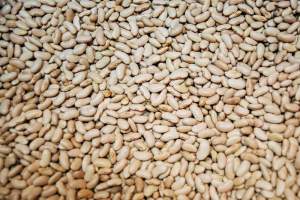
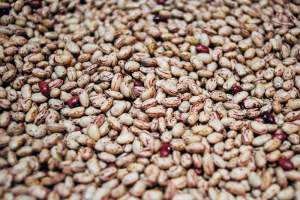
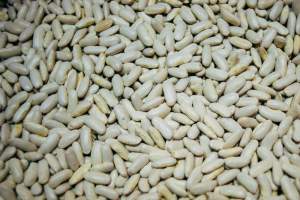
Reference sources: FAO, research indexed in AGRIS on soaking and cooking time, and FDA information on natural lectins in raw or undercooked beans. Product- and variety-specific instructions should take precedence over generic cooking times.