After chickpeas or beans have soaked for several hours, a common question is whether the water should be discarded or whether valuable flavour and nutrients are being wasted. For most home cooking, draining, rinsing and cooking in fresh water is a simple choice, especially when digestive tolerance is a priority.
During soaking, water enters the dry seed, but soluble substances can also move out into the surrounding liquid.
Related guides: whether lentils need soaking and for how longchickpea soaking and cooking timeshow much dried pulses to plan per personshop pulses
What happens during soaking?
The dried pulse absorbs water and rehydrates, which shortens later cooking and helps the centre soften more evenly. At the same time, soluble compounds, pigments and surface residues can move into the water.
The water may therefore darken or become slightly cloudy without this meaning the pulses are spoiled.
Why is discarding it often recommended?
Some oligosaccharides associated with gas production are water-soluble. Discarding the soaking water and cooking in fresh water removes part of what has moved out of the seed. It does not make pulses completely gas-free, but it can improve tolerance for some people.
Are nutrients lost?
Some soluble compounds are indeed lost with the water, but the pulse remains a nutrient-dense food providing fibre, plant protein, starch, minerals and other components.
The practical trade-off is a small loss of soluble substances in exchange for potentially better flavour control and digestive comfort.
Must soaking water always be discarded?
No universal culinary rule requires it in every recipe. Some traditions keep the liquid to preserve colour and flavour. However, if the water is very dark, contains surface residue or digestive tolerance is the goal, replacing it is usually the more straightforward option.
Chickpeas
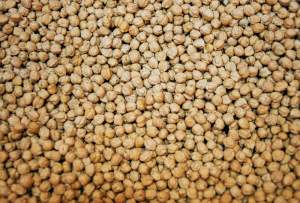
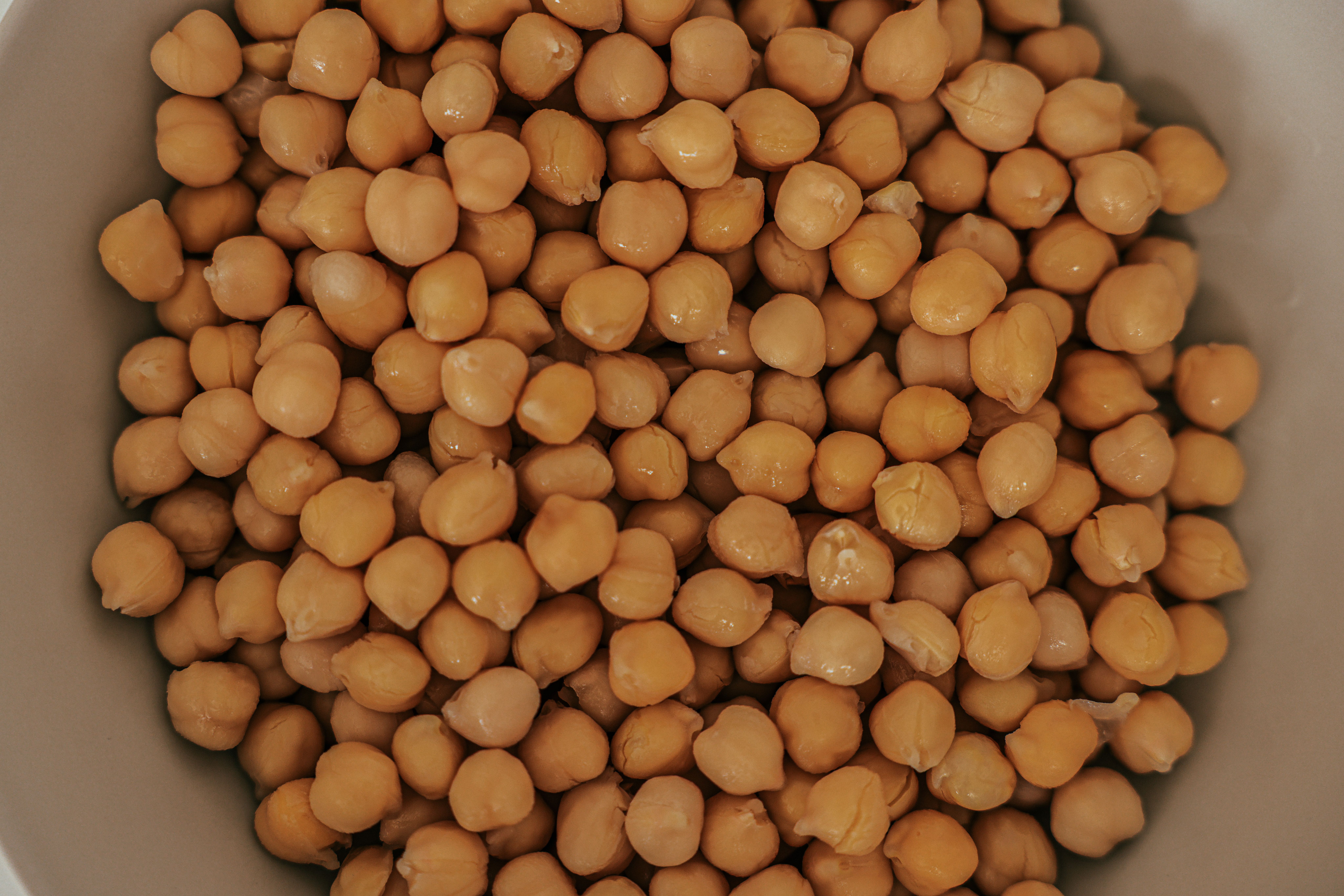
Chickpeas commonly benefit from a long soak. Draining them and moving them to fresh water makes it easier to control salt, stock and aromatics during cooking.
Beans
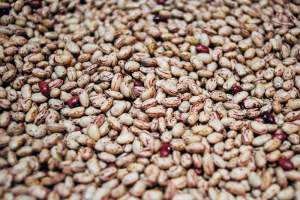
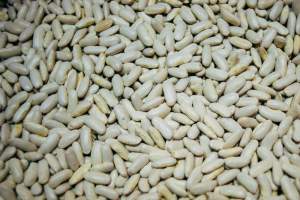
Bean soaking water can become strongly coloured, particularly with dark varieties. Discarding it removes some pigment and soluble compounds. Recipes that want a deeply coloured broth may use it differently, but fresh water is often preferred when digestibility is the main concern.
Lentils
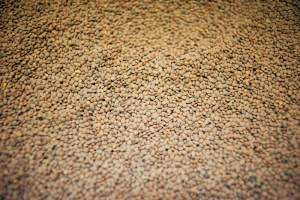
Many lentils cook well without soaking. If a short soak is used to speed cooking or improve tolerance, the same approach can be followed: drain and cook in fresh water.
Soaking water is not cooking water
This distinction matters. Cooking liquid has undergone prolonged heating and contains starch, soluble proteins and other substances released during cooking. In some dishes it is an important ingredient.
The best-known example is chickpea aquafaba, which can be used for foams and baking. Aquafaba is not the same thing as raw soaking water.
What if baking soda was added?
If baking soda is used during soaking to raise pH and encourage softening, it makes even more sense to discard that water, rinse and cook in fresh water. This avoids carrying unnecessary alkalinity and flavour into the final dish.
Should pulses be rinsed before soaking?
Yes. Inspect and rinse dried pulses before soaking. Even packaged products can contain dust or occasional small foreign material.
A practical method
- Sort and rinse dried pulses.
- Cover with plenty of water.
- Soak for the appropriate time.
- Drain the soaking water.
- Rinse briefly if desired.
- Cook in clean water or stock.
When might keeping the water make sense?
Mainly when a traditional recipe deliberately wants the colour and flavour in the soaking liquid and digestive tolerance is not an issue. The pulses should still be clean and the soak carried out under suitable conditions.
Bottom line
For everyday cooking, discarding soaking water is a practical and reasonable default. It removes some compounds released into the liquid and lets you begin cooking with clean water. It is not mandatory for every recipe, but it is often useful when better tolerance and controlled flavour are the goals.
How does fresh water change the broth?
Starting with clean water makes the colour and intensity of the cooking liquid easier to control. If a thick stew is desired, body can still be created through cooking, by blending a small portion of the pulses or by reducing the liquid. Keeping soaking water is not necessary to produce a rich, substantial broth.
Long soaking and temperature
When pulses soak overnight and the kitchen is warm, refrigeration is a sensible way to avoid unwanted fermentation. The goal is to hydrate the seed, not to allow the water to develop sour odours, foam or obvious activity. If soaking liquid develops a clearly abnormal smell or signs of spoilage, it should not be reused.
This matters especially in summer when room temperature may remain high for many consecutive hours.