Legumes have been part of Spanish cooking for centuries. As well as being versatile pantry staples, they bring together an unusual nutritional combination: plant protein, complex carbohydrates, fibre, iron, potassium, magnesium, phosphorus, zinc and several B vitamins.
Not every legume provides the same amounts. Soy stands out for protein and fat, dry beans for fibre, and broad beans and lentils for iron. To compare them properly, however, they must be measured in the same state and against the same reference table.
Related guides: whether lentils need soaking and for how longchickpea soaking and cooking timeshow much dried pulses to plan per personshop pulses
What nutrients are found in legumes?
Dry legumes are particularly notable for five groups of nutrients:
- Plant protein: a substantial proportion of their dry weight, although the amount differs by species.
- Fibre: both soluble and insoluble fibre are present, again in varying amounts.
- Carbohydrates: one of their main energy sources alongside protein.
- Minerals: including iron, potassium, magnesium, phosphorus, calcium and zinc.
- Vitamins: especially several B vitamins, such as thiamine (B1), niacin (B3), vitamin B6 and folates.
The Spanish Nutrition Foundation (FEN) also notes that most legumes are naturally low in fat, with soy as the major exception. Where fat is present, much of it is unsaturated.
Nutritional comparison of common legumes in Spain
The figures below are reference values per 100 g of dry legume. That distinction matters: comparing 100 g of dry lentils with 100 g of cooked chickpeas would be misleading because legumes absorb a large amount of water during soaking and cooking.
| Dry legume | Protein | Fibre | Iron | Energy |
|---|---|---|---|---|
| Soybeans | 35.9 g | 15.7 g | 9.7 mg | 406 kcal |
| Lentils | 23.8 g | 11.7 g | 7.1 mg | 351 kcal |
| Dried broad beans | 23.0 g | 19.0 g | 8.5 mg | 372 kcal |
| Dried peas | 21.6 g | 16.7 g | 5.3 mg | 365 kcal |
| Chickpeas | 19.4 g | 15.0 g | 6.7 mg | 373 kcal |
| Dry beans | 19.0 g | 25.4 g | 6.7 mg | 349 kcal |
Approximate values per 100 g dry product based on composition tables compiled by FEN. Values can vary by variety, origin and database.
Protein: one of the defining nutrients in legumes
Legumes are among the most concentrated plant sources of protein. In this comparison, soybeans clearly contain the most protein, at close to 36 g per 100 g dry weight. Among the legumes more traditional in Spanish cupboards, lentils and dried broad beans come next.
A cooked 100 g serving will not show the same concentration because the legume has absorbed water. See the complete ranking in our guide to which legume has the most protein.
Fibre: dry beans lead this reference comparison
Fibre is another major nutritional feature. In the comparable dry-food data used here, dry beans are highest, followed by dried broad beans and dried peas.
The amount actually eaten depends on serving size and preparation. Always check whether a nutrition table refers to dry, cooked or drained food. We explain the differences in our legume fibre comparison.
Iron: all provide some, but amounts differ
Legumes also contain iron. Soybeans and dried broad beans have the highest figures in this table, followed by lentils. There is an important qualification: iron from plant foods is not absorbed in the same way as haem iron from animal foods.
That means the milligram figure is only part of the picture. The composition of the full meal also matters. See the data and context in our guide to which legume has the most iron.
Which minerals do legumes provide?
Alongside iron, legumes provide potassium, phosphorus, magnesium, calcium and zinc. No single legume ranks first for every mineral. Soy is particularly concentrated in several minerals per 100 g dry weight, while beans, chickpeas, lentils, broad beans and peas each have a different profile.
Which vitamins do they contain?
The vitamins most associated with legumes are from the B group, including B1, B3, B6 and folates. Amounts differ by species and can also change with processing and cooking.
It is more accurate to think of legumes as one useful part of a varied diet than to suggest that any one of them supplies every vitamin.
Are legumes high in fat?
Most traditional legumes are low in fat when dry. Chickpeas, lentils, beans, peas and broad beans are far below soy, which contains substantially more fat and therefore also has a higher energy value.
Dry versus cooked legumes: why do values per 100 g change so much?
During soaking and cooking a legume absorbs water and becomes heavier. A lower nutrient figure per 100 g does not mean that protein or fibre has simply disappeared; much of the difference comes from the extra water increasing total weight.
That is why dry values are useful for comparing species, whereas cooked values are usually more useful for calculating what is in the portion on your plate.
So which legume is the most nutritious?
There is no universal winner. It depends on the nutrient. Soy leads for protein in this table; dry beans for fibre; soy and dried broad beans for iron. Chickpeas and lentils combine useful amounts of protein, carbohydrate, fibre and minerals and are also among Spain's most familiar everyday legumes.
If your choice is between the three classics, see our dedicated comparison of chickpeas, lentils and beans.
Frequently asked questions
What do legumes mainly provide?
Plant protein, carbohydrates, fibre and a range of minerals and B vitamins. The exact proportions depend on the legume.
Which legume contains the most protein?
Among those compared here, dry soybeans contain the most protein per 100 g, followed by lentils and dried broad beans.
Are lentils the legume with the most iron?
Not in this reference table. Soybeans and dried broad beans are higher, although lentils remain a relevant plant source of iron.
Why are the figures much lower for cooked legumes?
Mainly because they absorb water. The added water increases weight and reduces the concentration shown per 100 g.
Sources
The comparison uses data from the Spanish Nutrition Foundation (FEN) report on legumes, nutrition and health. Figures are reference values and can vary by variety, crop and composition database.


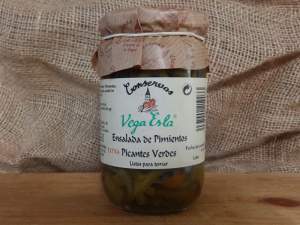 12 Jars of Hot Green Peppers in Vinegar, 314 ml