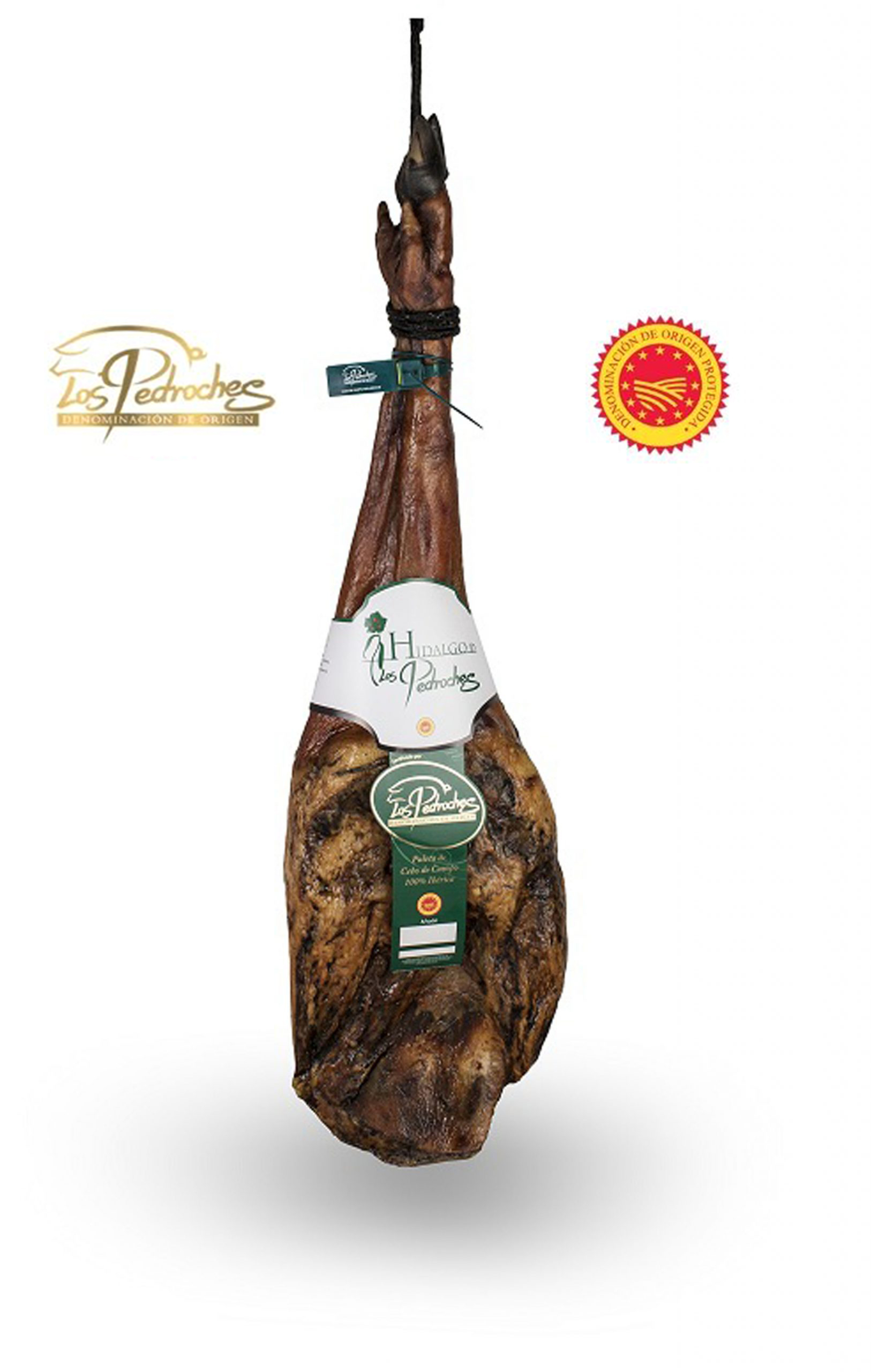
Long-cured Iberian ham does not smell like fresh meat. It has deep aromas from fat, curing and maturation, and these can be very intense when a ham or vacuum pack is first opened. This makes the question “does this ham smell rancid?” less straightforward than it sounds.
Rancidity is linked to oxidative breakdown of fat. It should not be confused with the normal aroma of cured ham or with an intense smell that fades after slices are aired. What matters is the character of the odour, its persistence, where it occurs and whether flavour or texture are also abnormal.
What is rancidity?
Fats react with oxygen and can form volatile compounds with unpleasant aromas. People describe these as old fat, stale nuts, cardboard, paint-like or soapy notes. Descriptions differ, but the common feature is a clearly oxidised, unattractive smell.
Superficial oxidation does not automatically mean the entire ham is affected. The outer layers are more exposed than the protected interior.
Normal cured-ham aromas are complex
Good ham can show fatty, nutty, toasted, cellar-like and deeply cured-meat notes. Someone unfamiliar with the product may initially call these aromas “strong”. Strong is not the same as rancid.
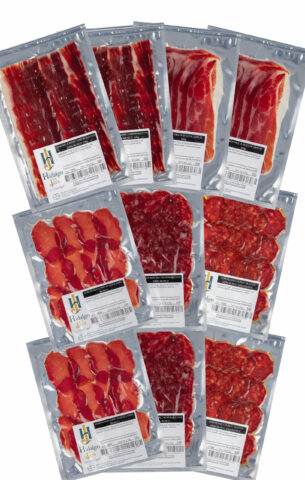
Vacuum packs add another complication because aromas can be concentrated inside the package. If the ham is served according to the producer's instructions and the aroma settles, that initial intensity should not be treated as a persistent defect.
External smell versus the carving face
Rind and outer fat have experienced more exposure during curing and storage. When a whole ham is started, those layers are trimmed to reach the serving area. The outside can therefore smell different from freshly carved lean meat.
The more useful question is how slices from a properly cleaned area smell. If an unpleasant rancid note remains clear and repeated as carving progresses, the issue deserves attention.
Yellow fat does not prove deep rancidity
Colour and aroma are related but not identical. Yellowish external fat may have experienced more surface oxidation while the interior remains normal.
See our separate guide to yellow fat on Iberian ham rather than diagnosing rancidity from colour alone.
A simple sensory check
Use a correctly trimmed area and cut a few slices. If they were cold, let them reach an appropriate serving temperature. Smell them again after a short time.
Look for consistency: does the unpleasant odour occur in every slice, remain after airing, appear in the flavour and continue as you move deeper into the ham? A fleeting first impression is less informative than a clear, repeatable defect.
Signs that strengthen concern
- Strong, persistent oxidised odour in edible tissue.
- Clearly unpleasant flavour reminiscent of aged fat.
- Widespread fat alteration rather than one superficial layer.
- Unusual texture or fluid together with the smell.
- A history of excessive heat, light or air exposure.
Heat, light and oxygen accelerate oxidation
Fat oxidation progresses faster under poor storage conditions. A ham beside a sunny window or a warm cooking area will lose quality faster than one kept in a suitable stable environment.
Once the ham is started, protect the carving face and avoid removing more external covering than needed. Our guide to storing a whole Iberian ham after opening explains the practical details.
Can rancid ham be fixed?
Oxidation cannot be reversed. If the problem is limited to a thin external layer, correct trimming may reveal normal tissue underneath. If the defect remains deep and persistent, washing, heating or adding oil will not restore the original fat.
Does rancid mean unsafe?
Rancidity and microbiological safety are not the same concept. Rancidity is primarily chemical and sensory deterioration. Even so, a clearly altered product should not be eaten casually, especially when storage history is uncertain or other deterioration signs are present.
Vacuum packs: do not decide in the first second
Separate slices and follow the producer's serving instructions. Some package-concentrated aromas may dissipate. If a clean cured-ham aroma remains, the initial smell was not necessarily rancidity.
If a persistent oxidised odour affects several packs from the same batch, keep the packaging information and contact the seller.
A practical rule
Cured ham can smell intense without being rancid. Rancidity is better recognised as a persistent, unpleasant oxidised defect in fat and slices, not simply any strong aroma.
Frequently asked questions
Does a strong smell when I open a pack mean it is bad?
Not necessarily. Let the slices separate and follow serving instructions. Persistent unpleasant odour is more meaningful than the first second after opening.
Can I trim rancid fat and continue?
If the defect is only superficial, normal tissue may appear beneath it. If it continues deeply, stop and contact the supplier.
Is rancidity always visible?
No. Colour can change, but aroma and flavour are essential. Appearance alone cannot confirm or exclude oxidation.
Does cold storage prevent all rancidity?
No. Stable storage away from heat, strong light and excessive air helps preserve quality, but no method stops ageing indefinitely.
-
EMDO Selection SaleSale!
 Select options
This product has multiple variants. The options may be chosen on the product page
Select options
This product has multiple variants. The options may be chosen on the product page
-
EMDO Selection SaleSale!Select options
This product has multiple variants. The options may be chosen on the product page
-
EMDO Selection SaleSale!Select options
This product has multiple variants. The options may be chosen on the product page
-
EMDO Selection SaleSale!Select options
This product has multiple variants. The options may be chosen on the product page
-
Sale!Select options
This product has multiple variants. The options may be chosen on the product page