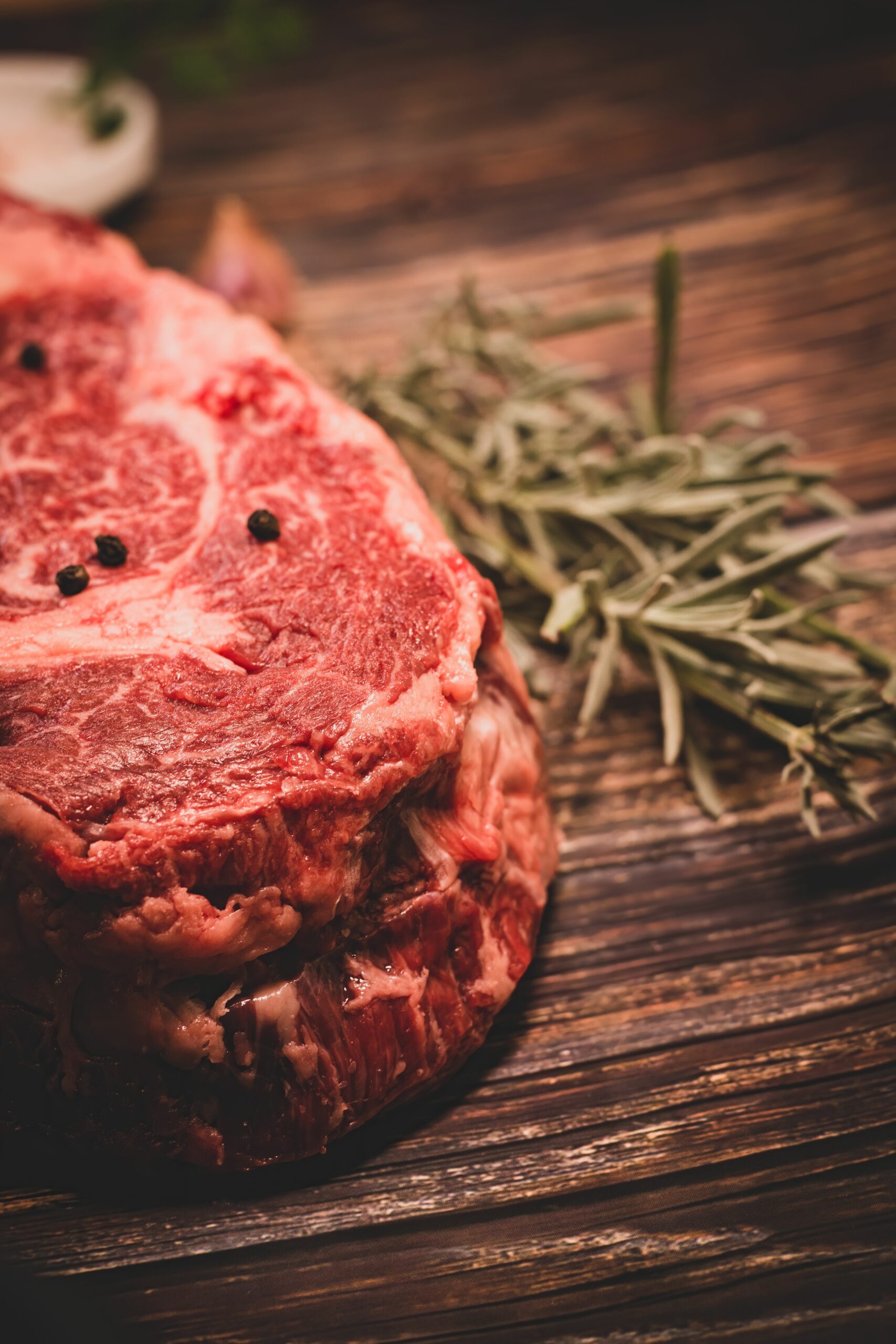
Beef is a familiar source of dietary iron. The exact figure varies with the cut, fat content, animal and whether the meat is raw or cooked, but a useful reference for raw lean beef is about 2.1 mg of iron per 100 g. A 150 g serving provides roughly 3.2 mg, using data published by the Spanish Nutrition Foundation (FEN).
The number on a food-composition table is only part of the story. Meat supplies heme iron as well as non-heme iron. Heme iron is generally more bioavailable than the non-heme iron that predominates in legumes and vegetables, so a simple comparison of milligrams per 100 g can be misleading.
How much iron is in 100 grams of beef?
FEN lists 2.1 mg of iron per 100 g for lean veal/beef and around 3.2 mg for a 150 g serving. These are average reference values rather than a guarantee for every steak. Different cuts and products have slightly different compositions.
| Beef type | Approx. iron per 100 g | Comment |
|---|---|---|
| Lean beef/veal | 2.1 mg | FEN reference for raw lean meat |
| Medium-fat beef | 1.9 mg | Average food-composition value |
| Beef chop | 1.6 mg | Varies with cut and fat proportion |
The differences between cuts are modest compared with the bigger nutritional picture. Choosing a cut solely because it has a few tenths of a milligram more iron is rarely useful. Protein, fat, portion size, cooking method and the rest of the diet matter too.
What type of iron does beef provide?
Food contains heme and non-heme iron. Heme iron comes from compounds such as haemoglobin and myoglobin and is found in meat, poultry and seafood. Non-heme iron occurs in both animal and plant foods but is the main form in legumes, grains, nuts and vegetables.
Heme iron is usually absorbed more efficiently and is less affected by other meal components. Non-heme iron is more sensitive to the surrounding diet: vitamin C can improve its absorption, while phytates and some polyphenols can reduce it. That is why 7 mg of iron in a dry legume is not automatically equivalent to more absorbed iron than 2 mg from meat.
Does a serving of beef provide a lot of iron?
A 150 g serving of lean beef provides around 3.2 mg of iron based on the FEN reference table. That is nutritionally meaningful, although beef is not the most iron-dense food available. Offal, some shellfish, certain cured meats and dry legumes may show higher analytical values.
It helps to separate two questions: which food contains the most iron? and which food supplies iron that is more readily absorbed? They are related but not identical. Our comparison of iron-rich foods looks at both.
Does cooking change the iron content?
Iron is a mineral, so normal cooking does not destroy it in the same way that heat can degrade some vitamins. However, the number expressed per 100 g may rise after cooking because meat loses water. A cooked steak weighs less, so nutrients become more concentrated per unit of weight.
Some minerals can also move into cooking juices, especially in wet cooking methods. For fair comparisons, use data for foods in the same state: raw with raw or cooked with cooked.
Beef versus lentils and chickpeas
Dry lentils and chickpeas can contain substantially more iron per 100 g than raw lean beef. FEN data put dry lentils at about 7.1 mg/100 g and dry chickpeas at about 6.7 mg/100 g. But 100 g of dry pulses absorb water during cooking and become a much larger portion, and their iron is mainly non-heme.
This does not make pulses a poor iron source. They also contribute fibre, complex carbohydrates, folate and plant protein. The point is that the comparison needs context. Pairing pulses with peppers, tomatoes, citrus fruit or other vitamin-C-rich foods can help improve non-heme iron absorption.
What else does beef provide?
Lean beef provides about 20.7 g of protein per 100 g in the FEN reference, along with zinc, phosphorus, potassium and B vitamins, particularly vitamin B12, niacin, B6 and riboflavin. Its nutritional profile therefore extends well beyond iron.
For the broader picture, see our guide to beef nutrients and our article on how much protein beef contains.
Frequently asked questions
How much iron is in 100 g of beef?
About 2.1 mg is a useful reference for raw lean beef according to FEN. Actual values vary with the cut and product.
Does beef contain more iron than lentils?
Dry lentils can contain more milligrams per 100 g, but the foods are being measured in different states and plant iron is mainly non-heme. Portion size, cooking and bioavailability all matter.
Does beef contain heme iron?
Yes. Beef provides both heme and non-heme iron, with heme iron being the characteristic and generally more bioavailable form found in animal tissues.
Does grilling destroy iron?
Not in the way heat can destroy some vitamins. Changes per 100 g mainly reflect water loss and concentration during cooking.
Sources
- Spanish Nutrition Foundation (FEN), beef composition data.
- FEN, nutritional composition of beef cuts.
- NIH Office of Dietary Supplements, Iron Fact Sheet.



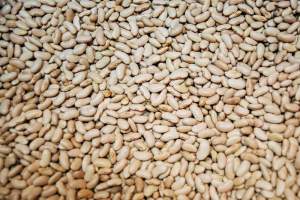 Canela Beans
 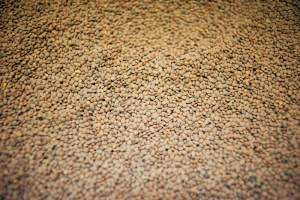 Pardina Lentils
 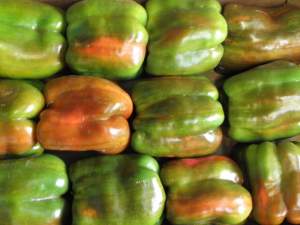 10 kg Bell Peppers for Roasting
 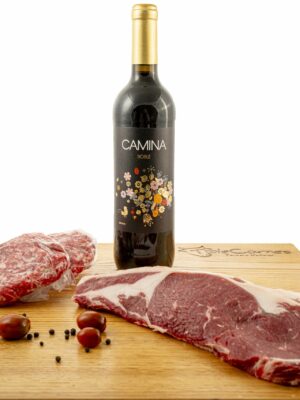 Couples’ beef box
 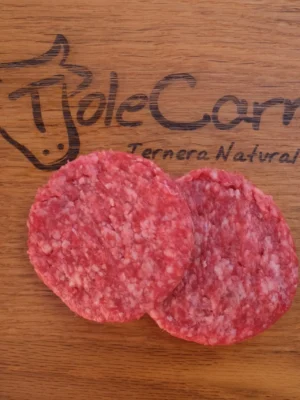 100% beef burgers – gluten-free (2)