Searching for iron-rich foods often leads to a simple ranking by milligrams per 100 g. That approach can be misleading because it mixes dry and fresh foods, very different serving sizes and two forms of iron that are not absorbed in the same way. A useful comparison of meat, legumes and vegetables should consider amount, food state, serving size and bioavailability.
Three familiar food groups can make a meaningful contribution to dietary iron: meat, legumes and some leafy vegetables. Dry pulses often top the analytical table; meat stands out for heme iron; and vegetables can add iron plus vitamin C and other micronutrients within a varied diet.
Related guides: whether lentils need soaking and for how longchickpea soaking and cooking timeshow much dried pulses to plan per personshop pulses
Iron-rich foods compared
| Food | Approx. iron | Reference state | Main form |
|---|---|---|---|
| Lentils | 7.1 mg/100 g | Dry | Non-heme |
| Chickpeas | 6.7 mg/100 g | Dry | Non-heme |
| Spinach | 4 mg/100 g | Fresh | Non-heme |
| Lean beef | 2.1 mg/100 g | Raw | Heme + non-heme |
This table is useful for orientation, but it is not a direct ranking of which food ultimately gives the body the most iron. One hundred grams of dry lentils become a much larger amount after cooking, while 100 g of fresh spinach or meat can correspond more closely to an actual serving. Heme and non-heme iron are also absorbed differently.
Meat: fewer milligrams than some pulses, but more bioavailable iron
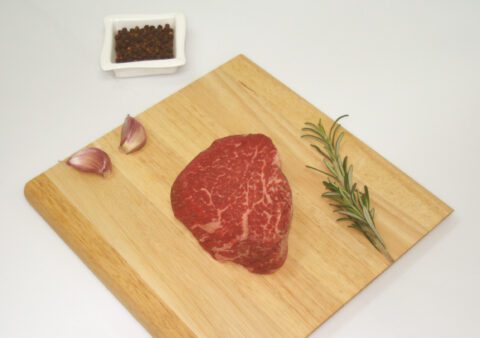
Lean beef provides about 2.1 mg of iron per 100 g according to FEN. Its key distinction is that it supplies heme iron, which is generally absorbed more efficiently and is less affected by other components of the meal.
That does not mean meat always “contains more iron” or that one food group should replace another. It means a lower analytical number can have different bioavailability. See our detailed guide on how much iron beef contains.
Legumes: high concentrations of non-heme iron
Dry pulses stand out in food-composition tables. FEN data list approximately 7.1 mg/100 g for dry lentils and 6.7 mg for dry chickpeas, with substantial amounts in beans, dry broad beans and soybeans too. They also provide plant protein, fibre, potassium, magnesium, phosphorus and folate.
Two points matter. First, pulses absorb water, so iron per 100 g falls after cooking. Second, their iron is mainly non-heme. Pairing them with vitamin-C-rich foods such as peppers, tomatoes, citrus fruit or fresh fruit can improve the absorption context.
Vegetables: iron varies widely
Leafy greens are among the vegetables most often associated with iron. FEN reports roughly 4 mg/100 g for spinach. That is a notable amount for a vegetable, but it is non-heme iron and its absorption is influenced by the food matrix.
This is why “spinach versus meat” comparisons are incomplete. A vegetable can contain meaningful iron while playing a very different nutritional role from meat or pulses. Vegetables also contribute vitamin C, folate, carotenoids, fibre and many other compounds that disappear from view if iron is the only metric.
How to read this comparison without turning it into another absorption guide
This page is a map between food groups. The amount of iron is one part of the comparison; iron type and meal context are another. The detailed explanation of heme and non-heme iron belongs in our meat-versus-legume guide, while practical strategies for plant iron belong in the legume iron-absorption guide.
Three different questions, three specialist pages
- Which legume contains the most iron? Use the legume ranking.
- Which vegetables stand out? Use the high-iron vegetable ranking.
- How much iron is in beef? Use the beef-specific guide.
The purpose here is not to reproduce those tables but to help you navigate between categories.
Using the map in a real diet
A varied diet does not require one absolute winner. Meat, legumes and vegetables play different roles and are usually eaten in different serving sizes. Compare the amount you actually eat, frequency, the rest of the nutrient profile and the whole meal rather than one number in isolation.
What “iron-rich” really tells you
A high figure per 100 grams can be useful information, but it does not summarise the nutritional value of a food. Serving size, preparation and the overall eating pattern provide more context. This page is therefore a comparative index, not an instruction to replace one food group with another.
Sources
- Spanish Nutrition Foundation (FEN), beef composition.
- FEN, report on legumes, nutrition and health.
- FEN, fruit and vegetable report.
- NIH Office of Dietary Supplements, iron.


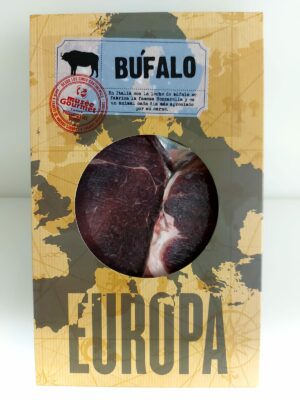 Solomillo de búfalo (Ración de 200 gr. apróx.)