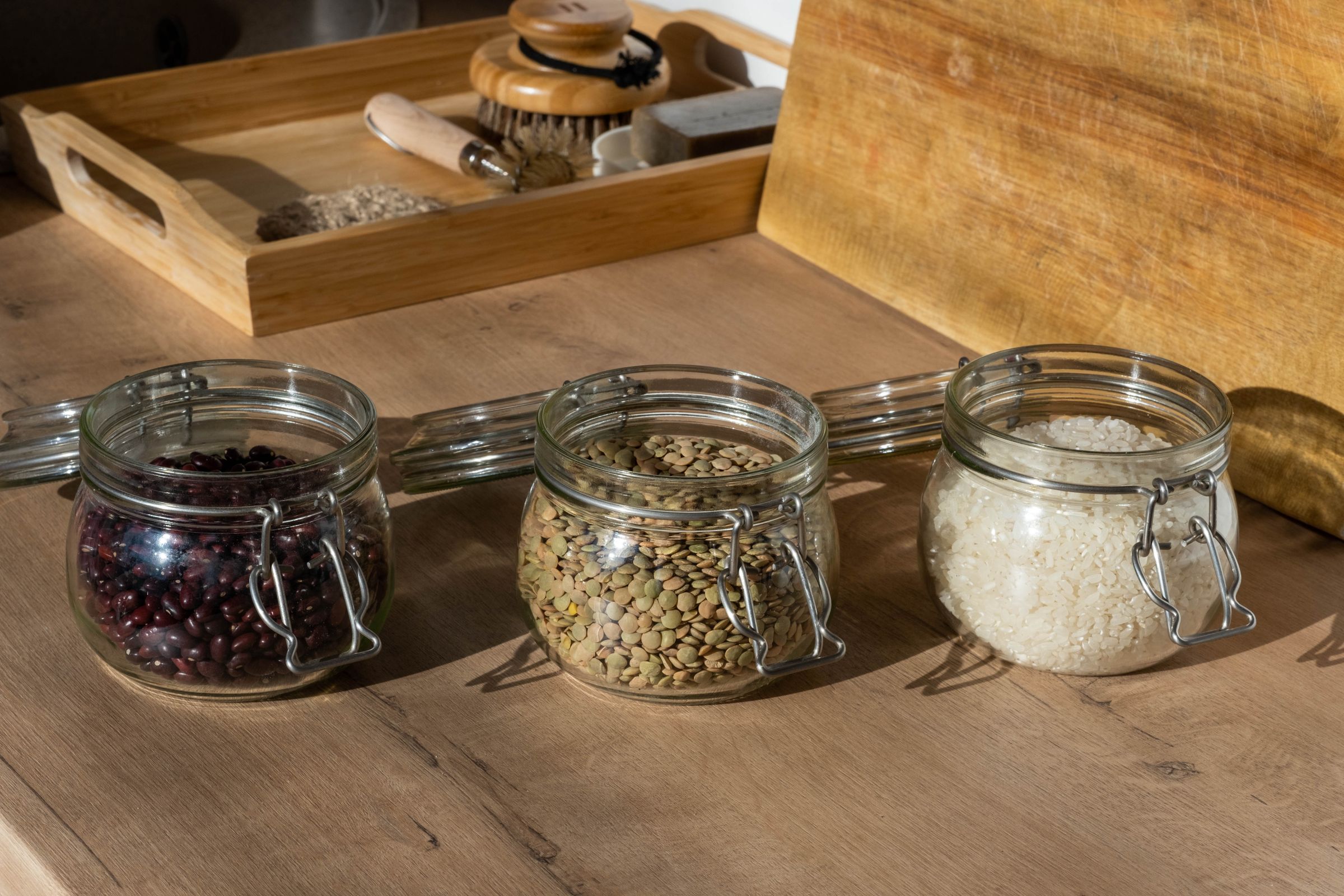
Dried pulses may seem almost permanent, but they are not permanent in culinary quality. Chickpeas, lentils and beans can keep for a long time when stored properly, yet moisture, heat, pantry insects and poor stock rotation eventually affect both appearance and cooking behaviour. Very old pulses can take much longer to soften and may cook less evenly.
The good news is that home storage is simple. You rarely need special equipment: a dry, cool, protected place and sensible rotation are usually enough.
Moisture is the main enemy
Dried pulses need to stay dry. If they absorb environmental moisture, stability decreases and undesirable changes become more likely. Avoid storing them beside steam sources, under a sink or in containers that are not completely dry.
If you decant pulses into a jar, make sure it is clean and fully dry first. A few drops of water at the bottom are more problematic than leaving the pulses in a properly closed commercial package.
Original bag or airtight jar?
Both can work. If the original package closes well and the pantry is dry, decanting is not compulsory. Airtight jars offer organisational benefits, protection from insects and a clear view of remaining stock.
Do not lose useful product information. If you change containers, keep or note the variety, origin, lot or best-before information when relevant. Mixing a new batch with a very old one makes rotation difficult and can produce uneven cooking.
Why different purchases should not automatically be mixed
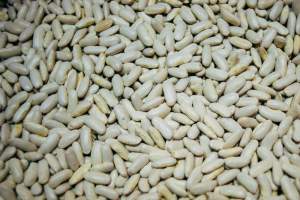
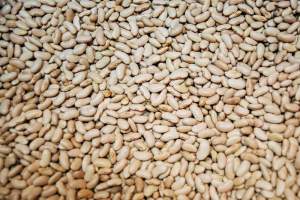
Two chickpeas that look similar may differ in age and moisture. When cooked together, one batch may soften sooner than the other. The same applies to beans.
A good rule is to finish the older container before adding a new purchase: first in, first out.
Heat and light also matter
Dried pulses do not need refrigeration, but stable temperatures help. A cupboard beside an oven or hot pipe is not ideal. Direct light offers no benefit and can heat the container.
A dry interior pantry away from strong heat is normally sufficient.
Preventing pantry insects
Some insects can affect grains, flour and pulses. Prevention means keeping containers closed, cleaning the pantry regularly and not leaving open packages forgotten for months. Check new products before combining them with old stock.
If you find insect activity, isolate the affected container and inspect nearby dry foods. Clean shelves and corners thoroughly.
Should dried pulses be frozen for storage?
Usually not. Dried pulses are designed for room-temperature storage. Some households use brief preventive freezing in specific insect-risk situations, but for normal use a dry pantry and closed containers are generally enough.
Freezing becomes much more useful after cooking. Cooked chickpeas, lentils and beans can be prepared in batches and frozen in portions for quick meals.
Age affects cooking performance
A properly stored pulse does not suddenly become useless after one date, but older stock can hydrate and soften less readily. This is one reason a familiar recipe may unexpectedly take much longer.
Our guide on why pulses stay hard, split or lose their skins also covers soaking, acidity, water and cooking temperature.
How to organise a pulse pantry
A practical system is to group by use: lentils for quicker dishes, chickpeas for stews and hummus, beans for slow-cooked meals. Clear containers make stock levels visible, but keep them inside a cupboard if they receive strong light.
There is little value in buying enormous quantities simply because pulses are dry. Well-rotated stock often cooks better than supplies accumulated for years.
Before cooking
Inspect pulses visually and remove any foreign material or obviously damaged pieces. Chickpeas and many beans benefit from soaking before cooking, while lentils vary by type and recipe.
Our complete dried pulses cooking guide covers soaking, cooking and common mistakes step by step.
Good storage begins with sensible buying
Buy quantities you can actually rotate, retain batch information and avoid mixing old and new stock unnecessarily. Keep moisture and insects out and temperatures reasonably stable. Simple habits make a real difference when it is time to cook.

 100% mature beef burgers – gluten-free (2)