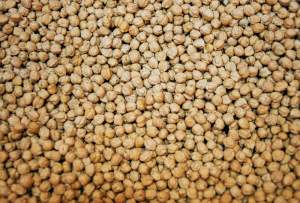
Two different questions are often mixed together when cooking chickpeas: should they be soaked in cold or hot water, and should cooking start in cold or already-hot water? They are not the same decision. Soaking hydrates a dry seed over several hours; cooking then applies heat until starches, cell walls and skin soften.
Spanish cooking tradition commonly soaks chickpeas in cool or room-temperature water and later adds them to water that is already hot. That method works well, but understanding what matters prevents a useful habit from becoming an inflexible rule.
For soaking, time and enough water matter most
Dry chickpeas need to absorb a substantial amount of water if we want shorter cooking and more even hydration. For a long soak, cover them generously with fresh water and allow room for the beans to expand.
In a cool kitchen an overnight soak may be done at room temperature. In hot weather, or for a very long soak, refrigeration is the safer and more controlled option. The water does not need to be boiling for chickpeas to hydrate.
What about a quick hot soak?
A quick-soak method is also possible: bring chickpeas and water to the boil for a few minutes, remove from the heat and leave covered for roughly an hour before draining. It is useful when an overnight soak was not planned.
It is not identical to many hours of slow hydration, but it can shorten subsequent cooking. You can then begin cooking with fresh water if you want greater control over flavour, foam and seasoning.
Should cooking start with hot water?
Traditional Spanish guidance generally adds soaked chickpeas to hot or gently boiling water, unlike several other pulses that are often started from cold. It keeps the cooking process continuous and is a reliable kitchen habit.
Final tenderness, however, depends even more on the age of the chickpeas, water hardness, soaking, acidic ingredients and cooking intensity. Old dry chickpeas can remain stubborn even when added to hot water.
What if cold water is added while they cook?
Adding a large volume of cold water causes the pot temperature to fall and temporarily stops cooking. It does not magically ruin the chickpeas, but it can lengthen the process and make it less consistent.
If the liquid level needs topping up, adding hot water is therefore practical. It preserves a gentle steady simmer instead of forcing the pot to heat back up.
Water hardness matters
Water rich in calcium and magnesium can make some pulses slower to soften. That is one reason the same recipe may need different timings in different places.
Baking soda can speed softening by raising pH, but too much can damage skins, produce a mushy texture and affect flavour. See our detailed guide to baking soda when soaking pulses.
Do not add lots of acid too early
Tomato, vinegar, wine and other acidic ingredients can slow the softening of plant cell walls. If your chickpeas are already taking a long time, it is often easier to let them become nearly tender before adding a large acidic component.
In practice, this can matter more than whether the starting water was 20 °C or 90 °C.
How much water?
Chickpeas should remain well covered while cooking. In an open pot leave several centimetres above the beans because evaporation will occur; a pressure cooker loses far less. Avoid an unnecessarily violent boil, which can knock the grains around and loosen skins.
Should soaking water be discarded?
A common home method is to drain the soaking water, rinse the chickpeas and cook them in fresh water. That removes some compounds that migrated into the soak and gives a clean starting flavour. There is no need to rinse obsessively until the water is perfectly clear.
A reliable method for tender whole chickpeas
- Use dry chickpeas that have been stored well and are not extremely old.
- Soak in plenty of water for several hours.
- Refrigerate the soak in hot weather.
- Drain and begin cooking in hot water.
- Keep a gentle simmer and top up with hot water if needed.
- Add strongly acidic ingredients later in cooking.
- Judge doneness by texture rather than the clock alone.
Bottom line
Soaking does not require boiling water; starting the actual cooking in hot water is a useful traditional method. The bigger priorities are adequate hydration and steady cooking. Bean age, water hardness and recipe ingredients can change the final timing much more than a small difference in starting temperature.
Pulses
Explore pulses available at El Mercado de Origen: