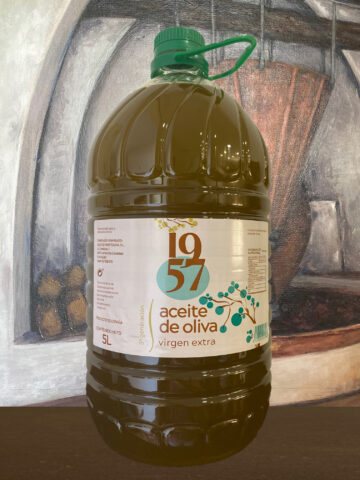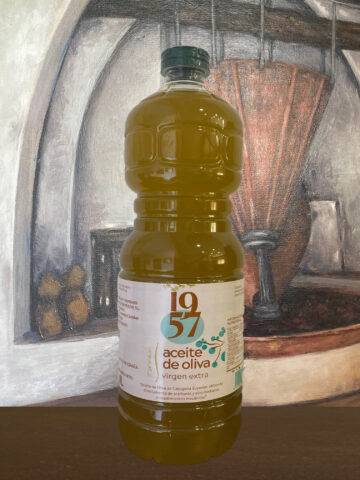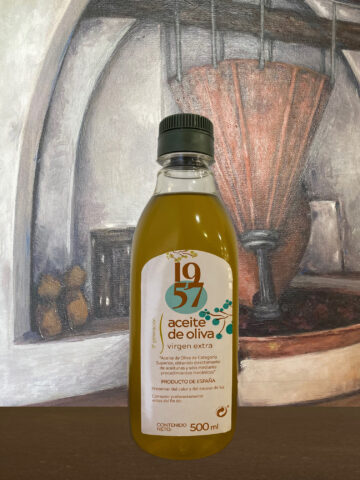
A supermarket shelf may contain bottles labelled “extra virgin olive oil”, “virgin olive oil”, simply “olive oil”, and “olive-pomace oil”. They can look like marketing variations of one product. Legally and technically, they are not.
The European Union recognises eight categories of olive oils and olive-pomace oils. Only four are sold directly to consumers under those category names. Understanding the system makes labels far easier to read and prevents terms such as “mild”, “intense”, “premium” or even colour from being mistaken for legal quality grades.
This guide is a practical masterclass: first the complete map, then what happens during extraction and refining, what acidity actually means, how the categories differ sensorially, and finally which type makes sense for dressing, frying, cooking, mayonnaise or baking.
Related guides: olive oil calories per tablespoon and 100 golive oil or sunflower oil for fryingwhat oleic acid in olive oil isshop olive oil
The short answer: the four categories consumers can buy directly
| Retail category | How it is produced | General profile | Retail sale |
|---|---|---|---|
| Extra virgin olive oil (EVOO) | Mechanical or physical processes only; meets the strictest chemical and sensory criteria | Fruity, free of sensory defects under the legal test; retains many compounds naturally present in olives | Yes |
| Virgin olive oil | Also produced solely by mechanical or physical processes | May contain slight sensory defects within legal limits | Yes |
| Olive oil | Blend of refined olive oil with virgin and/or extra virgin olive oils | More neutral; part of the product has been refined | Yes |
| Olive-pomace oil | Refined olive-pomace oil blended with virgin olive oils | Generally neutral and suited to culinary use | Yes |
Four other categories — lampante virgin, refined olive oil, crude olive-pomace oil and refined olive-pomace oil — are essential to the system even though consumers do not buy them as such for direct food use.
All eight EU legal categories
The EU classification is not an advertising ladder. It relies on physico-chemical parameters and, for virgin olive oils, organoleptic characteristics. The eight recognised categories are:
- Extra virgin olive oil.
- Virgin olive oil.
- Lampante virgin olive oil.
- Refined olive oil.
- Olive oil composed of refined olive oils and virgin olive oils — normally labelled simply “olive oil” at retail.
- Crude olive-pomace oil.
- Refined olive-pomace oil.
- Olive-pomace oil.
1. Extra virgin olive oil: the highest virgin category
EVOO comes from olives solely through mechanical or other physical means under conditions that do not cause undue alteration. It is not refined to correct defects.
To qualify, it must meet a full set of analytical and sensory requirements. The best-known figure is a maximum free acidity of 0.8 grams of oleic acid per 100 grams of oil. It must also be fruity and have no sensory defects under the official organoleptic criteria.
EVOO is particularly valuable when the oil itself is part of the flavour: bread, tomatoes, salads, vegetables, soups, fish, finishing and sauces. It is also suitable for cooking and frying; high quality does not mean it must only be eaten raw.
For a deeper look at this category alone, see what “extra virgin olive oil” really means.
2. Virgin olive oil: still mechanically extracted, but a different grade
Virgin olive oil shares a crucial feature with EVOO: it is obtained directly from olives by mechanical or physical means. The difference lies in the final classification.
It may show minor sensory defects within the permitted threshold and can have free acidity up to 2%. It is not an artificial or refined product; it remains a virgin olive oil.
This matters because “virgin” and bottles labelled simply “olive oil” are often treated as the same thing. They are not: virgin oil is not refined, while the retail category “olive oil” contains refined oil.
3. Lampante virgin olive oil: why it exists and why consumers do not buy it directly
Lampante is not an olive variety. It is a virgin olive oil that does not meet the requirements for direct consumption as extra virgin or virgin. It can have substantial sensory defects and/or analytical characteristics outside those retail virgin categories.
Lampante oil is not sold to consumers as an edible virgin oil. It is normally sent for refining. This reveals an important point: refining does not turn EVOO into an even “purer” EVOO. Refining is used to correct oils that cannot be marketed directly in their existing virgin category.
4. Refined olive oil: what “refined” means
Refined olive oil is obtained by refining virgin olive oils that require correction, such as lampante oil. The process removes or reduces excessive acidity, unwanted odours, flavours and other characteristics that prevent direct retail sale.
The resulting oil is much more neutral in aroma, taste and colour. Refined olive oil can have a very low free-acidity number, which leads to one of the most common misunderstandings: a lower acidity figure does not automatically mean higher quality.
In virgin oils, acidity is one of several classification parameters. Refining itself reduces free acidity. Comparing numbers such as 0.3 and 0.8 without considering the production route therefore gives a misleading conclusion.
5. What is a bottle labelled simply “olive oil”?
This is perhaps the most useful distinction in the whole guide. A legal label saying “olive oil” is not shorthand for extra virgin.
It is a product made by blending refined olive oil with virgin and/or extra virgin olive oils. The virgin component contributes flavour and aroma that are largely absent from the refined base.
- EVOO: mechanically/physically extracted and classified as extra virgin.
- Virgin: extracted in the same basic way but classified as virgin.
- Olive oil: a blend that includes refined and virgin olive oils.
These are different processes and sensory profiles, not merely three labels for the same liquid.
6. Crude olive-pomace oil: recovering oil from the mill by-product
After the main oil extraction, a wet paste remains containing pulp, skin, crushed stone and water: olive pomace. It still contains a small proportion of oil.
Industrial processing recovers crude olive-pomace oil. This crude product is not sold directly for home cooking; it requires refining before it can become part of the final edible category.
7. Refined olive-pomace oil
Crude pomace oil is refined to remove undesirable components, producing refined olive-pomace oil. Like refined olive oil, this is an intermediate category rather than the usual final bottle on a consumer shelf.
8. Olive-pomace oil: the edible retail category
Retail olive-pomace oil is obtained by blending refined olive-pomace oil with virgin olive oils. It is legally distinct both from “olive oil” and from EVOO.
Its flavour is generally neutral and it is commonly used for cooking and frying. It should not be described as an untreated waste product: the retail oil is a regulated food product that has gone through the required processing to fit its legal category.
A simple map of the system
Virgin-oil route:
olives → mechanical/physical extraction → analysis and sensory assessment → EVOO / virgin / lampante.
If lampante → refining → refined olive oil → blend with virgin oil → olive oil.
Pomace route:
extraction by-product → crude pomace oil → refining → refined pomace oil → blend with virgin oil → olive-pomace oil.
What does olive-oil acidity actually mean?
“Acidity” is not sour taste. It is a chemical measure related to the proportion of free fatty acids. In virgin olive oils it helps describe the condition of the fruit and processing, but it must never be read in isolation.
Two EVOOs can have different acidity values and both be excellent. A refined oil can show a very low acidity because refining lowers it. Quality therefore cannot be reduced to “the smaller number always wins”.
Does EVOO always taste strong?
No. EVOO covers a wide sensory range. Arbequina can be gentle and sweet; Picual can be more intense, bitter and pungent. Harvest date, fruit maturity, milling and storage all influence the result.
Bitterness and pungency can in fact be positive attributes. See why good EVOO can taste bitter and pungent.
“Mild” and “intense” are not alternatives to virgin and extra virgin
Some retail olive-oil blends use words equivalent to mild or intense. These do not create new legal categories comparable to EVOO or virgin olive oil; they describe commercial sensory profiles of the blend.
Always read the legal product designation first.
Which oil should you choose for each use?
| Use | Useful choice | Reason |
|---|---|---|
| Bread, tomato, salads, finishing | EVOO | Aroma, fruitiness, bitterness and pungency can enhance the dish. |
| Cold sauces and dressings | EVOO or virgin | The oil is tasted directly, so choose a profile that suits the ingredients. |
| Mild mayonnaise | Mild-profile EVOO, mild virgin oil or a more neutral category | A very assertive oil can dominate the emulsion. |
| Sautéing and general cooking | EVOO, virgin or olive oil | All can work; flavour, budget and recipe determine the choice. |
| Frying | EVOO, olive oil or olive-pomace oil | All are culinary options; temperature management and degradation matter. |
| Baking | Mild EVOO or a more neutral oil | Choose according to whether you want olive character in the finished bake. |
Within extra virgin oil, our guide to Picual, Arbequina and Lechín helps match varieties to dishes.
Can extra virgin olive oil be used for frying?
Yes. EVOO is suitable for hot cooking and frying. Heating changes oils, and badly managed frying degrades any fat, but there is no rule requiring extra virgin olive oil to be reserved for raw use.
You may choose a very aromatic EVOO for finishing and a different oil for large-volume frying for sensory or economic reasons. That is a practical decision, not a technical prohibition.
Does filtered versus unfiltered change the category?
No. Both filtered and unfiltered oils can be EVOO if they meet the requirements. Filtration mainly changes suspended particles and moisture and can affect stability. See our guide to filtered versus unfiltered EVOO.
How to read an olive-oil bottle in 20 seconds
- Find the exact legal designation: extra virgin, virgin, olive oil or olive-pomace oil.
- Do not use “mild”, “intense” or colour as substitutes for the category.
- For EVOO, check variety, origin and harvest information when available if you want to understand its likely profile.
- Match package size to consumption. A large container only makes sense if you can protect the oil from heat, light and oxygen.
- Do not treat acidity as a 0-to-10 quality score. It is one component of classification.
Once purchased, storage remains crucial. See how to store EVOO correctly.
So which oil is “best”?
If the question is which is the highest category among virgin olive oils, the answer is extra virgin. It must meet the strictest chemical and organoleptic requirements and reaches the consumer without refining.
But the best choice for a particular kitchen task also depends on the desired flavour, volume and budget. A high-quality EVOO offers complexity when oil is an ingredient in its own right. Other regulated categories can be useful when neutrality or different economics are the priority.
The essential lesson is that EVOO, virgin olive oil, “olive oil” and olive-pomace oil are legally and technically different products. Once you can identify the production route behind each name, choosing a bottle becomes much easier.
Producer extra virgin olive oil
-
EMDO Selection Sale
-
EMDO Selection
-
EMDO Selection