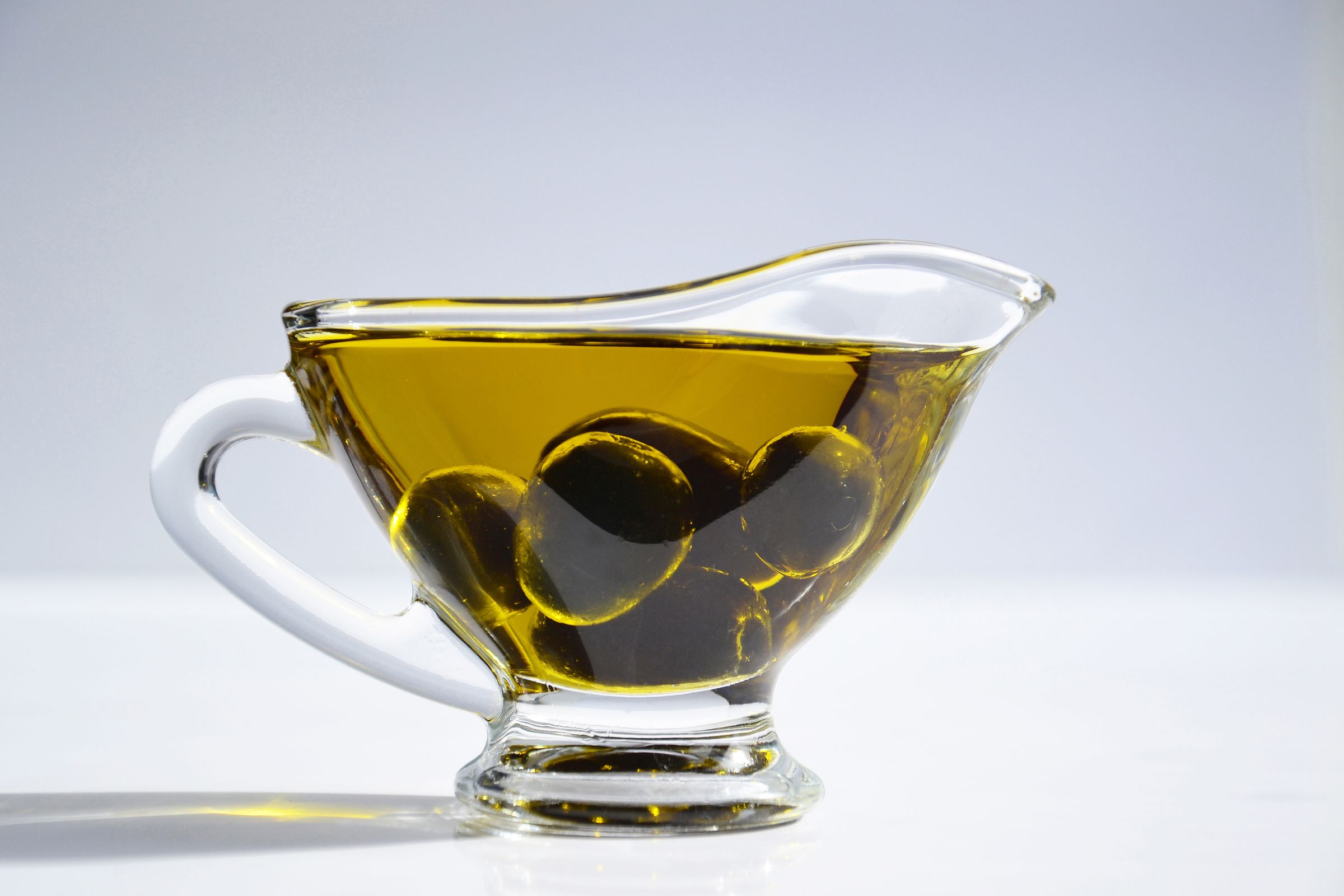
One of the most common reactions when someone tastes an intense extra virgin olive oil for the first time is to wonder whether it is “too strong” because it tastes bitter on the tongue or creates a peppery sensation in the throat. In fact, bitterness and pungency are recognised positive attributes in the sensory evaluation of virgin olive oil. They do not automatically make an oil better, but neither should they be confused with defects.
The International Olive Council recognises fruitiness, bitterness and pungency among the positive sensory attributes of virgin olive oils. Extra virgin status requires the absence of sensory defects in official assessment and the presence of fruitiness. Beyond that, the intensity of bitterness and pungency varies greatly with cultivar, olive maturity, harvest, climate, extraction and storage.
Related guides: olive oil calories per tablespoon and 100 golive oil or sunflower oil for fryingwhat oleic acid in olive oil isshop olive oil
What bitterness means in olive oil
Bitterness is perceived mainly on the tongue. It can range from barely noticeable to distinctly strong and is particularly common in oils made from greener olives or from cultivars with robust profiles. It should not be confused with unpleasant tastes such as rancid, winey or musty notes, which are sensory defects of a different kind.
In a well-made EVOO, bitterness usually works together with fruitiness and pungency. When balanced, it does not feel like an isolated negative sensation but rather part of the oil’s structure, much as acidity or tannin can shape other foods and drinks.
What pungency is and why you often feel it in the throat
Olive oil pungency is not exactly the same sensation as chilli heat. It is a tactile feeling that often develops at the end of the taste and can concentrate in the throat. Some oils create a gentle tickle; others are strong enough to make you want to clear your throat.
In sensory assessment, pungency is considered positive when it belongs to a sound, fruity oil. Its intensity does not have to be high in every good EVOO. Arbequina may taste softer and sweeter, while certain Picual oils can show far more obvious bitterness and pungency. Cultivar creates tendencies, not absolute rules.
How phenolic compounds relate to these sensations
Some of the bitterness and pungency in olive oil is associated with phenolic compounds. Their concentration and composition depend on cultivar, fruit maturity, water availability, temperature, extraction conditions and storage. This is why two oils from the same cultivar but different harvests can show noticeably different intensity.
It is important to be precise: strong pungency does not allow you to calculate polyphenol content at home or prove a particular health benefit. Tasting is sensory analysis, not chemical testing. What it can show is that bitterness and pungency may be entirely natural characteristics of fresh, correctly produced EVOO.
Picual, Arbequina and Lechín: different tendencies
Broadly speaking, Picual often produces intense profiles with clearly perceptible bitterness and pungency and good oxidative stability. Arbequina is frequently softer, sweeter and less bitter. Lechín can bring its own green notes and structure, with considerable variation according to area and harvest timing.
These are guidelines, not guarantees. An oil should never be judged from cultivar name alone. Fruit maturity can transform its profile: greener olives often yield more herbaceous, bitter and pungent oils, while riper fruit can shift toward softer, riper aromas. Our Picual, Arbequina or Lechín guide explores those differences in more detail.
Is a mild oil worse?
No. Intensity is not the same as quality. A mild EVOO can be beautifully produced, clean, fruity and balanced. Sensory quality requires the absence of defects; it does not require the consumer to tolerate a minimum amount of pepperiness.
What changes is suitability for personal taste and food pairing. A delicate oil can work very well with subtle fish, baking, mayonnaise or ingredients whose flavour you want to preserve. A more forceful oil may be ideal on toast, tomato, grilled meat, roasted vegetables or deeply flavoured stews.
Is a very pungent oil automatically better?
Again, no. Strong pungency can be perfectly appropriate for a particular style, but it does not replace balance. A complete tasting considers aroma, fruitiness, bitterness, pungency, persistence, harmony and, crucially, the absence of defects.
An oil can be extremely pungent yet somewhat unbalanced, while another may be moderate but remarkably elegant. It is more useful to think in terms of sensory profile than a simple strength ranking.
How to taste these sensations at home
To recognise bitterness and pungency, taste the oil on its own before using bread. Pour a small amount into a glass, warm it briefly in your hand, smell it and take a small sip. Spread it around the mouth and draw in a little air gently. Bitterness usually appears on the tongue and palate; pungency becomes more noticeable as you swallow.
Compare two oils and note three things: fruitiness, bitterness and pungency. Then taste both with food. You may discover that an oil which seemed very assertive on its own integrates beautifully into a dish. Our home EVOO tasting guide explains the full process.
Time changes these sensations too
Olive oil evolves from the moment it is produced. Over the months, especially when exposed to light, heat or oxygen, fresh aromas decline and bitterness and pungency can also change. An old bottle that has been open for a long time is therefore not an exact representation of the oil at bottling.
A fresh oil stored tightly closed and away from light and heat generally shows its profile more clearly. With large formats, keep the main container cool and dark and minimise air exposure, as explained in our EVOO storage guide.
The key idea: intensity and quality are not the same thing
Bitterness and pungency are part of the sensory language of extra virgin olive oil. They may signal a green, assertive style, but they are not an automatic score of quality. What matters is how they fit within a fruity, clean, defect-free oil and whether the profile suits the intended use and the person tasting it.
Related extra virgin olive oils
-
EMDO Selection Sale
-
EMDO Selection
-
EMDO Selection

Sources and references
International Olive Council — methods and sensory assessment of virgin olive oils.