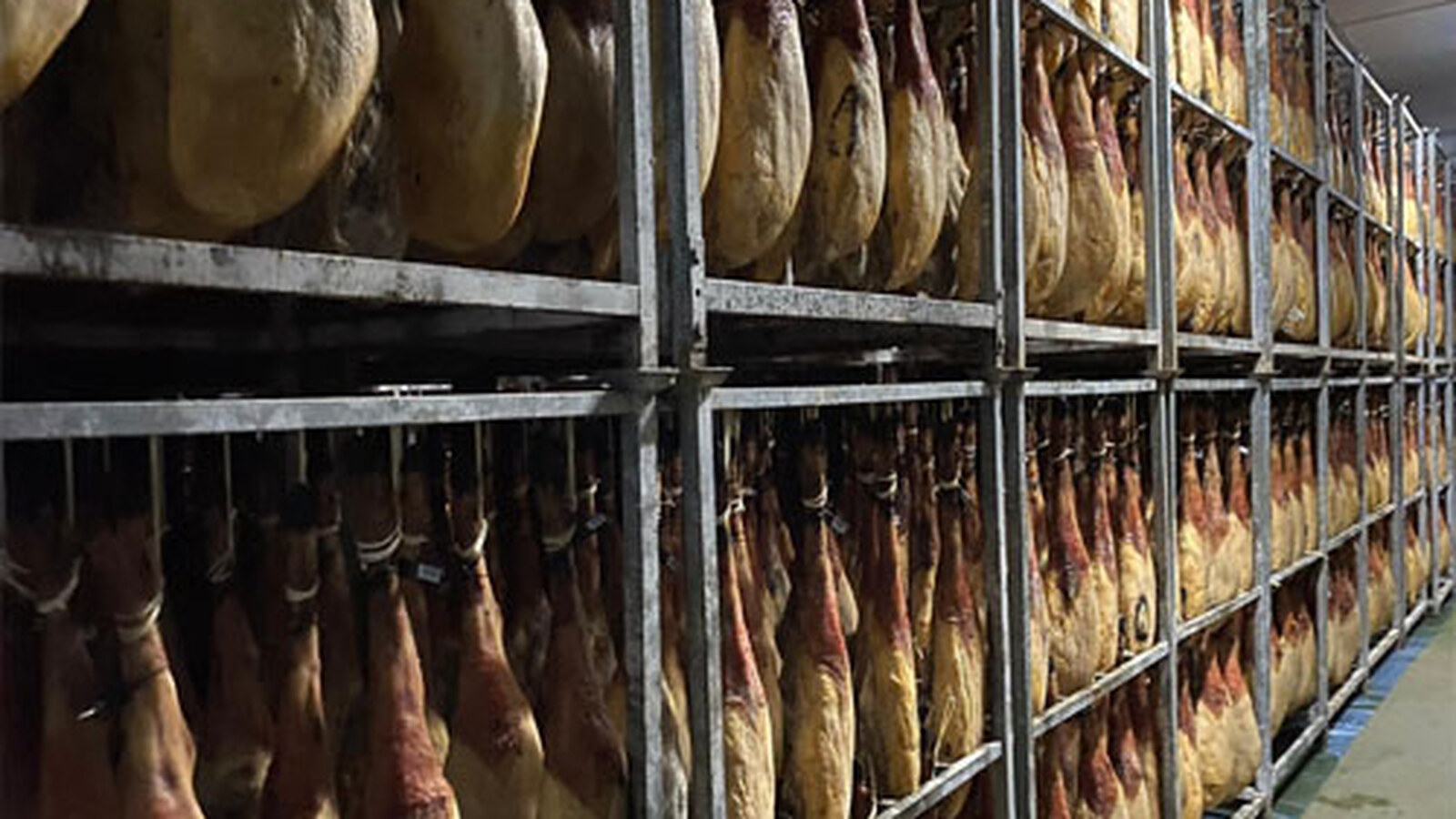
When Iberian ham is compared with Iberian shoulder, the discussion is often reduced to a simple idea: shoulder is a smaller ham and the main difference is price. In practice they are anatomically different cuts, and that difference can be felt from the curing room to the final slice. Shape, bone ratio, muscle size, fat distribution, cutting surface and the amount that needs to be consumed after opening are all different.
That is why there is no universal answer to “which is better, ham or shoulder?”. A more useful question is which cut best suits the category you want, the number of people eating it and the way you intend to serve it.
The difference begins with anatomy, not marketing
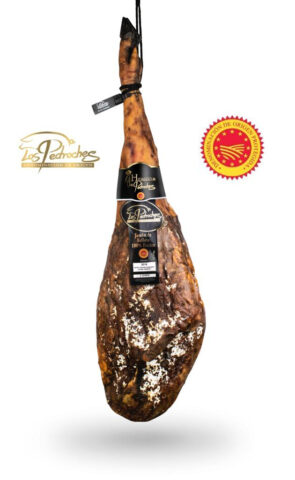
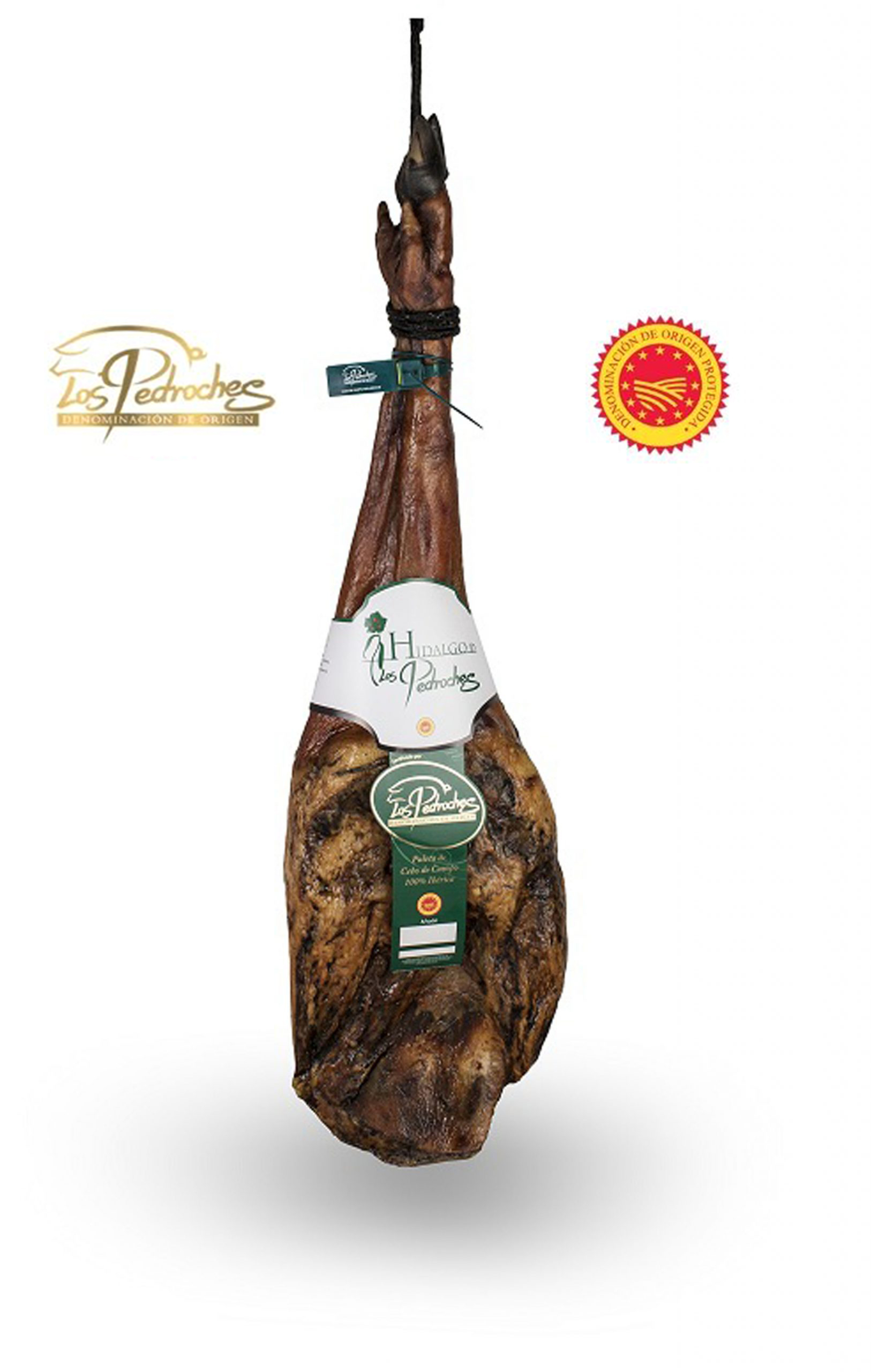
Ham comes from the hind leg and shoulder from the front leg. This basic distinction has important consequences. The hind leg has larger muscle structures and normally produces a longer, heavier piece. The front leg is more compact and has a different relationship between bone, muscle and fat.
A ham includes broad areas such as the maza, where large, fairly regular slices can be obtained for a substantial part of the cutting process. A shoulder has smaller cutting surfaces and changes plane more quickly. It therefore demands a little more attention from the slicer, while giving enthusiasts an interesting sequence of textures and flavours.
Anatomy also explains why whole-piece price is a poor comparison on its own. A shoulder normally costs less because it weighs less, but proportionally it also contains more bone. A ham requires a larger initial spend but usually gives a higher edible yield. Neither fact decides value by itself: the relevant measure is how the piece fits your real consumption.
Curing: size changes the pace
During curing, several physical and biochemical processes take place: gradual moisture loss, salt diffusion and the transformation of proteins and fats that build aroma, flavour and texture. A large piece does not evolve at the same pace as a small one. The distance between the surface and the deepest areas is greater, so equilibrium takes more time.
For that reason hams generally support longer curing periods. This does not mean that more months automatically equal higher quality. Correct curing is the time and environment appropriate to the size, composition and characteristics of the individual piece. Excessive time can dry some areas too far; insufficient time can leave the piece underdeveloped.
Shoulder often gives a more immediate aromatic intensity because smaller muscles, fat and bone are closely interwoven. A well-balanced ham can offer a more gradual progression as the cutting moves through its different zones. These are different profiles rather than a simple quality ladder.
Intramuscular fat, external fat and texture
Fat is not incidental in good Iberian cured meat. It contributes to juiciness, carries aromatic compounds and influences persistence on the palate. But not every visible deposit is “marbling”. Intramuscular fat sits within muscle tissue; external and intermuscular fat play different roles.
Amount and distribution depend on genetics, feeding, exercise, age, the specific cut and the curing process. It is therefore misleading to claim that shoulder is always fattier or ham always more delicate. What can be said is that shoulder anatomy places smaller muscles close to bone and fat, which can make some areas taste especially intense.
How to read an Iberian designation
Before choosing ham or shoulder, establish something even more important: which Iberian category you are buying. Spanish rules distinguish products by breed percentage and feeding/management system. Royal Decree 4/2014 also establishes the coloured seals used to identify the principal categories.
Black identifies acorn-fed 100% Iberian; red, acorn-fed Iberian that is not 100%; green, free-range field-fed Iberian; and white, grain-fed Iberian. The full legal sales name tells you far more than a broad marketing phrase. Meaningful comparison starts by comparing equivalent categories.
The expression “pata negra” is also regulated and should not be treated as a generic synonym for every Iberian product. The useful information is the complete legal designation and the traceability attached to the piece.
Yield and number of diners: the practical decision
In a household where ham is eaten several times a week, the size of a whole ham can be an advantage. The piece progresses steadily and its different areas can be used efficiently. In a household with one or two occasional consumers, the same volume may become inconvenient: the slower the cutting advances, the more important it is to protect the exposed surface and maintain suitable conditions.
Shoulder solves part of that problem because it is finished sooner. It is particularly sensible for small households, for buyers who want the experience of a whole piece without committing to a very long consumption period, or for people who would rather spend their budget on a higher category than on a larger cut.
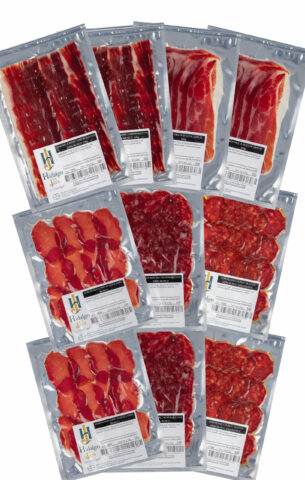
If consumption is even more occasional, the ham-versus-shoulder question may not be the most important one. Professionally sliced packs can be a better fit than either whole piece. The best purchase is the format that allows the product to be enjoyed in good condition.
Slicing is different too
Ham offers broad areas where it is easier to maintain long, thin and fairly regular slices. Shoulder geometry is more demanding: bones appear sooner, the cutting angle changes quickly and the muscles are smaller. An experienced slicer may enjoy this challenge; a beginner may find efficient use slightly harder.
In both cases, the goal is not to produce transparent slices at any cost. A pleasant thickness, a balanced proportion of lean and fat and a flat cutting plane matter more. A sharp knife and a stable stand are more valuable than any theatrical cutting technique.
So which should you choose?
If several people will eat it, consumption is frequent and broad slices plus higher whole-piece yield matter, ham is usually the logical choice. If the household is small, consumption is more spaced out or a smaller whole piece is preferred, shoulder can be an exceptionally sensible purchase. If convenience and portion-by-portion storage are the priorities, consider sliced formats instead.
Once the cut is chosen, return to the information that really defines the product: category, breed percentage, feeding, producer, process and storage. You can compare formats and producers in our ham and shoulder selection.
Related products
-
EMDO Selection SaleSale!
 Select options
This product has multiple variants. The options may be chosen on the product page
Select options
This product has multiple variants. The options may be chosen on the product page
-
EMDO Selection SaleSale!Select options
This product has multiple variants. The options may be chosen on the product page
-
EMDO Selection SaleSale!Select options
This product has multiple variants. The options may be chosen on the product page
-
EMDO Selection SaleSale!Select options
This product has multiple variants. The options may be chosen on the product page
-
Sale!Select options
This product has multiple variants. The options may be chosen on the product page
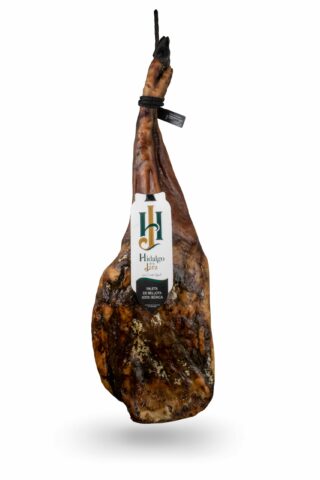

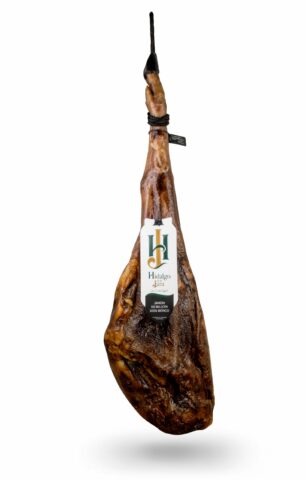
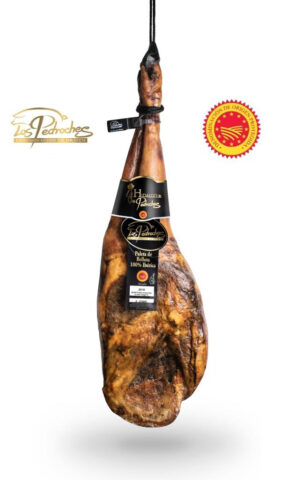
Regulatory reference: Spanish Royal Decree 4/2014 on the quality standard for Iberian meat, ham, shoulder and loin.
