Which foods provide the most protein? The answer depends heavily on how the food is measured. Cured ham can exceed 30 g of protein per 100 g because it loses water during curing; raw lean meat is often around 20–23 g; and dry legumes can contain roughly 19–36%, although their protein per 100 g drops substantially after cooking because they absorb water.
A useful comparison of high-protein foods should therefore do more than rank numbers. Dry, raw, cooked and cured foods need to be distinguished, and real serving size, protein quality and the other nutrients supplied by the food also matter.
Protein per 100 grams: familiar examples
| Food | Approx. protein | State | What to remember |
|---|---|---|---|
| Cured Iberian ham | around 30–36 g/100 g | Cured | Water loss concentrates protein |
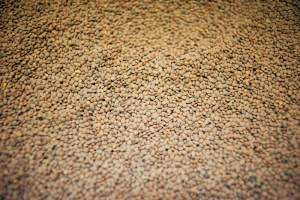
| Lentils | about 25 g/100 g | Dry | The value per 100 g falls after cooking |
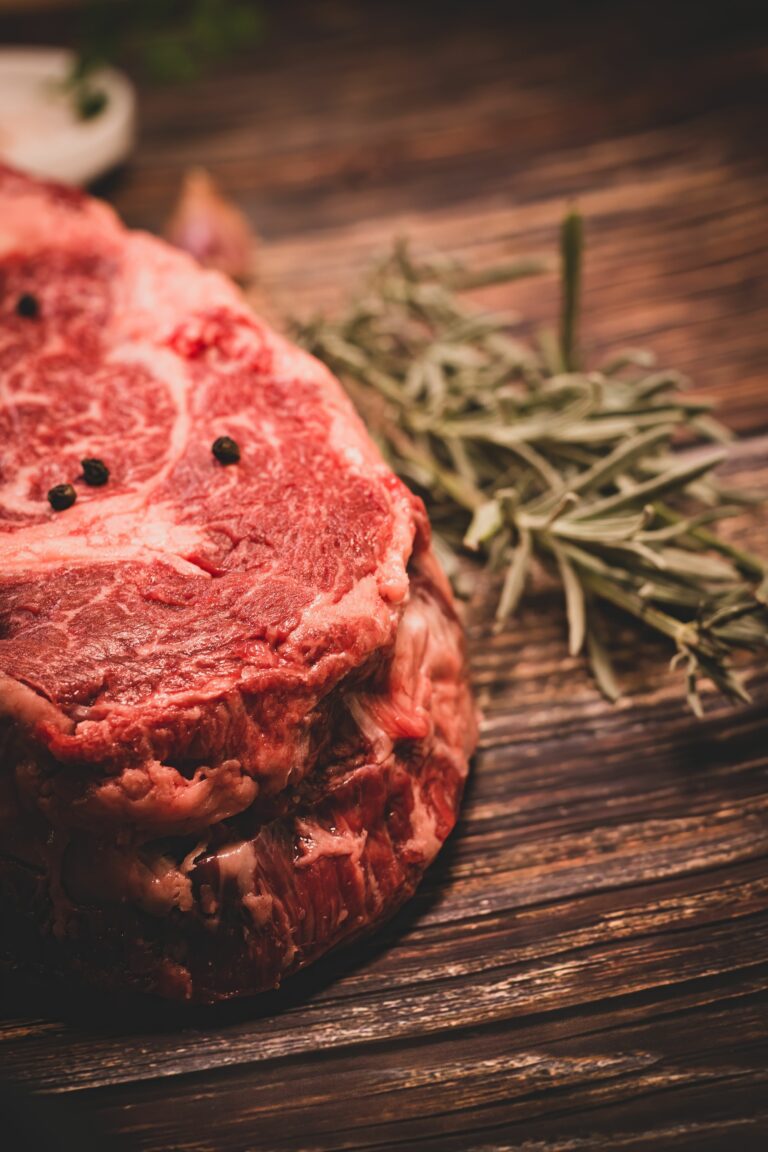
| Lean beef | 20.7 g/100 g | Raw | Highly digestible complete protein |
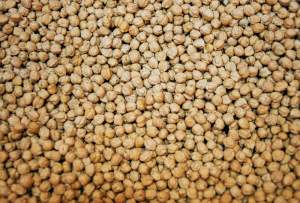
| Chickpeas | 19.4 g/100 g | Dry | Also supply fibre and folate |
The table shows why context is essential. It would be wrong to conclude that a serving of cooked lentils automatically contains more protein than a serving of beef just because dry lentils show a higher number. It would also be wrong to say curing “creates” protein in ham: much of the increase per 100 g comes from water loss and concentration.
Beef: around 20 g protein per 100 g
FEN lists about 20.7 g of protein per 100 g for lean beef. Some cuts exceed 22 g while others are slightly lower depending on composition and fat. A 150 g serving based on the lean-beef reference provides roughly 31 g of protein before accounting for cooking-related weight changes.
Meat protein provides all essential amino acids in useful proportions and is highly digestible. Beef also supplies heme iron, zinc and vitamin B12. See our detailed guide to protein in beef.
Legumes: high protein when dry, lower concentration after cooking
Pulses are a traditional plant-protein staple. FEN data generally place dry legumes at roughly 19–36% protein depending on the species. Chickpeas and lentils are around 19–25 g/100 g dry, while soybeans and lupins can be substantially higher.
But pulses are not normally eaten dry. Soaking and cooking add water, which means 100 g of cooked lentils contains far fewer grams of protein than 100 g of dry lentils. The total protein in the batch has not vanished in the same proportion; it has been distributed across a heavier, water-rich cooked food.
Pulses also provide fibre, starch, folate, potassium, magnesium and non-heme iron. Their value is not that they “copy” meat, but that they bring a different and complementary nutritional profile.
Cured foods: why protein looks so high
Ham and other cured products often show very high protein values per 100 g. Curing removes a substantial amount of water, concentrating protein, fat, minerals and salt. A comparison with fresh meat should therefore state the product's condition clearly.
A high protein concentration can be useful when reading a label, but it does not make a cured product automatically best in every context. Salt and fat can be higher and the typical serving is often smaller than a portion of fresh meat.
Animal versus plant protein
Animal proteins generally have high digestibility and a complete essential-amino-acid profile. Plant proteins can also meet protein requirements, particularly when the overall diet is varied. Legumes tend to be rich in lysine and relatively limited in some sulphur-containing amino acids, while cereals often have a complementary pattern.
Every meal does not need to contain a “perfect” protein. The total dietary pattern matters most. Traditional combinations such as lentils with rice, chickpeas with bread or beans with grains are simple examples of complementarity. We explore this further in plant versus animal protein.
What does “high in protein” really mean?
Nutrition labelling laws set specific criteria for formal protein claims. In an editorial comparison, however, the raw number needs context: a high value per 100 g can reflect low water content, a dry product or concentration during curing. For consumers, the more practical question is often how much protein is in the serving they actually eat.
Energy density, fibre, micronutrients, salt and fat also matter. Two foods can both provide 20 g of protein while having completely different nutritional profiles.
Frequently asked questions
Which food contains the most protein per 100 g?
Dry or cured foods and some dry legumes can show very high figures. They should not be compared directly with fresh or cooked foods without accounting for state and serving size.
Does beef contain more protein than lentils?
Dry lentils may exceed beef per 100 g. After cooking and water absorption, their protein concentration falls markedly. The correct comparison depends on state and portion.
Does ham contain more protein than fresh meat?
Per 100 g it often does because curing removes water and concentrates solids. Typical serving size and salt content should also be considered.
Can a plant-based diet provide enough protein?
A well-planned, varied plant-based diet can meet protein needs. Legumes, grains, nuts, seeds and other foods can provide an adequate range of essential amino acids across the day.
Sources
- Spanish Nutrition Foundation, beef composition.
- FEN, report on legumes, nutrition and health.
- FAO, protein requirements and quality.