Meat and legumes both provide iron, but they do not provide it in the same form. Meat contains heme and non-heme iron, while the iron in pulses is almost entirely non-heme. This affects bioavailability and is why a simple per-100-g table cannot fully answer which source gives the body “more iron”.
There is another problem: meat is usually listed raw or cooked, whereas pulses are often shown dry. One hundred grams of dry lentils is not the same serving as 100 g of beef. A good comparison separates analytical content, serving size and absorption.
Meat iron versus legume iron: quick comparison
| Aspect | Beef | Legumes |
|---|---|---|
| Reference amount | 2.1 mg/100 g raw lean beef | 6.7 mg/100 g dry chickpeas; 7.1 mg/100 g dry lentils |
| Iron form | Heme + non-heme | Mainly non-heme |
| Absorption | Heme iron is generally more bioavailable | More affected by vitamin C, phytates and meal composition |
| Other nutrients | Protein, B12, zinc | Plant protein, fibre, folate, magnesium, potassium |
| Typical state in tables | Raw or cooked | Often dry; changes substantially after cooking |
Why pulses can look higher in iron
Dry foods are concentrated. A dry lentil contains little water, so minerals, protein and carbohydrate appear concentrated per 100 g. During cooking it absorbs water and becomes heavier. The iron does not disappear in the same proportion, but it is distributed through a larger weight of food, so the value per 100 g cooked is lower.
This is why dry lentils can contain about 7.1 mg/100 g while raw lean beef contains around 2.1 mg/100 g. Both values can be correct without representing equivalent ready-to-eat portions.
Why heme iron is absorbed differently
Heme iron is part of compounds found in animal tissues. It is generally absorbed more efficiently and is less affected by other dietary components. Non-heme iron is more dependent on the chemical environment of the meal.
Vitamin C can improve non-heme iron absorption by helping keep iron in more soluble, usable forms. That makes combinations such as lentils with peppers or tomatoes plus vitamin-C-rich fruit practical. Phytates in grains and pulses and some polyphenols in tea or coffee can reduce absorption when consumed in the same meal.
Does that mean iron from legumes is poor?
No. Pulses are an important dietary iron source and they also provide nutrients that meat does not, including fibre and substantial folate. FEN highlights their contributions of iron, magnesium, potassium, phosphorus and zinc.
Lower bioavailability simply means the body handles plant iron differently. It does not invalidate pulses as an iron source. Well-planned diets without meat can meet iron needs through non-heme sources, fortified foods and meal combinations that support absorption.
Is meat always the better source?
Not necessarily. Meat supplies heme iron and highly digestible protein, but it contains no fibre and its fat profile varies by cut. “Meat” also includes products with very different nutritional profiles: a fresh lean cut is not the same as a salty cured or processed meat.
The useful question is not which food group “wins”, but what role each plays in the overall diet. Meat and pulses can coexist, while people who avoid meat can rely on non-heme sources and thoughtful meal planning.
How to compare real servings
For a fairer comparison, use foods in the same state. Compare cooked beef with cooked pulses, or convert dry-food figures into an actual serving. A 70 g dry serving of chickpeas provides around 4.7 mg of iron in FEN data before considering cooking changes and bioavailability.
Lean beef at about 2.1 mg/100 g provides roughly 3.2 mg in a 150 g serving. The numbers look much closer when actual serving sizes are considered rather than comparing 100 g dry pulses with 100 g meat.
Foods to pair with legumes
- Red or green peppers.
- Fresh tomatoes.
- Broccoli and other vitamin-C-rich vegetables.
- Oranges, mandarins, kiwi or strawberries for dessert.
- If maximising plant-iron absorption is a priority, avoid making tea or coffee the automatic immediate drink with every iron-focused meal.
Our broader guide to iron-rich foods compares meat, pulses and vegetables in the same framework.
Frequently asked questions
Which iron is absorbed better, meat or legume iron?
Heme iron from meat is generally more bioavailable. Legume iron is non-heme and is more affected by the rest of the meal.
Do lentils contain more iron than beef?
Dry lentils can show more milligrams per 100 g. That does not represent an equivalent cooked serving and does not account for different bioavailability.
Does vitamin C improve iron from legumes?
Yes. Vitamin C supports non-heme iron absorption, so pairing pulses with vitamin-C-rich fruit or vegetables is a practical approach.
Is meat essential for adequate iron intake?
Not necessarily. Iron can be obtained without meat, but non-heme iron sources, vitamin C and overall diet planning deserve more attention.
Sources
- Spanish Nutrition Foundation, beef composition.
- FEN, report on legumes, nutrition and health.
- NIH Office of Dietary Supplements, heme and non-heme iron.

 Canela Beans
 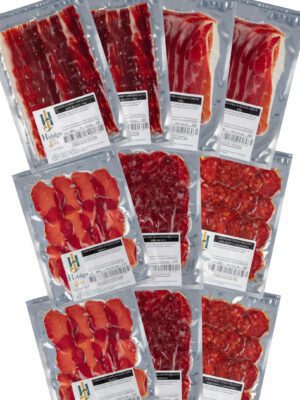 Tasting pack of 100% Iberian acorn (2x ham, 2x shoulder ham, 2x cured loin, 2x salchichón, 2x chorizo)
 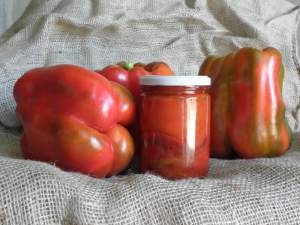 Bell Peppers
 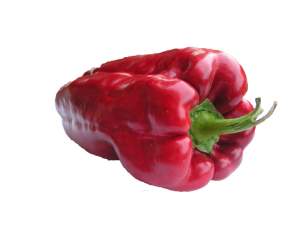 Red Lamuyo Pepper