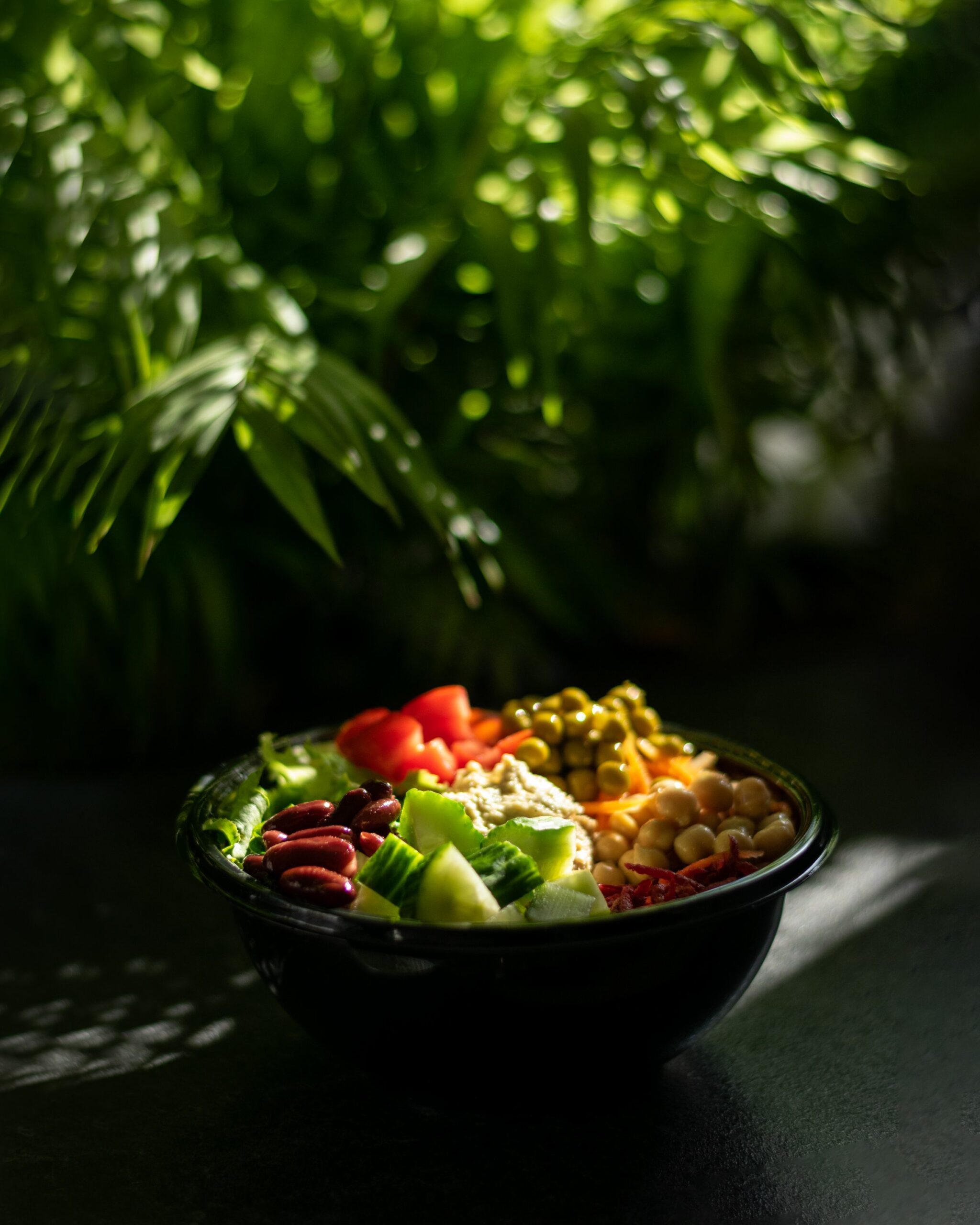
Choosing between dried pulses and ready-cooked pulses is not a contest between “traditional” and “convenient”. They are two useful formats for different needs. Dried pulses give you more control over hydration, final texture and batch size; cooked pulses dramatically reduce preparation time and can turn into a meal without advance planning.
A well-organised pantry can contain both. Dried chickpeas or beans are useful for dishes where texture matters, while a few jars of cooked pulses can make salads, soups, purées and quick dinners much easier.
What you are buying when you buy dried pulses
A dried pulse is a seed with very little moisture. That low water content explains both its long shelf life and the need to rehydrate and cook it. Cooking time varies with species, variety, age of the pulse, water hardness and cooking method.
Chickpeas and many beans benefit from soaking before cooking. Lentils, depending on variety and recipe, often require less planning. Our complete dried-pulse cooking guide covers the process in depth.
What ready-cooked pulses offer
In a jar or can, the long part of the process has already been done. The pulse is hydrated and cooked, ready to heat, add to a recipe or use cold where appropriate. That makes cooked pulses particularly useful for fast meals.
The trade-off is reduced control over doneness. If you need a bean to remain firm through a long stew, an already-cooked product may soften too much if added at the beginning.
Texture: the main advantage of starting from dry
Cooking from dry lets you decide exactly when to stop. You can aim for firm chickpeas for salad, creamy beans for a stew or lentils that keep their shape. You can also adapt the process to your pot, water and other ingredients.
That control matters most when the pulse is the centre of the dish. If it will be blended into hummus, purée or a filling, the initial texture may matter less.
Time and planning: cooked pulses win here
Dried pulses require advance thought, particularly when soaking is involved. Ready-cooked pulses can be opened, drained and added within minutes. On a busy evening, that can be the difference between cooking with pulses and abandoning the idea.
Convenience is not a culinary flaw. A well-made prepared ingredient can be the best option when time is limited. The key is not to subject it to an unnecessarily long second cooking.
How to read a jar of cooked pulses
Check the sales name, net and drained weights, ingredient list and packing liquid. Some products are extremely simple; others include salt or additional ingredients. The label tells you what you are actually adding to the recipe.
If the packing liquid does not suit your dish, drain the pulses. In some recipes it can also be used, depending on the product and desired result. There is no universal rule that every jar must always be rinsed.
Real cost: compare usable portions, not just package weight
Dried pulses gain substantial weight and volume during hydration and cooking. Comparing the price of one kilogram dry with one kilogram cooked can therefore be misleading. Cooked products also include water, heat processing, packaging and convenience.
Think in portions and frequency. If you cook large batches and freeze portions, dried pulses can be very efficient. If you use small amounts spontaneously, cooked pulses reduce planning and time waste.
Can dried pulses be batch-cooked?
Yes, and this is one of the best ways to combine the benefits of both formats. Cook a larger batch, cool it appropriately, divide into portions and refrigerate for short-term use or freeze for later. You keep control over the grain without repeating the entire process each time.
Label portions with date and pulse type. Freezing with some cooking liquid can help protect texture in certain applications, provided the container has enough expansion space.
Which format works best for which dish?
For a long stew, starting from dry gives more control over how the pulse integrates into the dish. For a quick salad, cooked pulses are hard to beat. For hummus or purée, either works: dry gives full control, cooked saves time. For an improvised soup, cooked pulses can be added near the end so they do not break down.
The recipe matters more than loyalty to a format. There is no extra culinary virtue in using dried pulses if a good cooked product delivers exactly the result you need.
The age of dried pulses matters too
Dried pulses are shelf-stable, but they are not timeless from a culinary perspective. As they age they can require longer cooking and gradually lose some sensory quality. Sensible pantry rotation is better than keeping bags for years.
Spain's Ministry of Agriculture recommends a cool, dry place protected from humidity, direct light and insects. Our dried-pulse storage guide explains how to organise them.
A smart pantry uses both formats
Dried pulses are excellent when you want texture control, larger batches or a stew built from the beginning. Cooked pulses are unbeatable when you need speed, small portions or a ready-to-use ingredient.
You do not need to choose one side. Keeping both formats available makes it easier to cook pulses more often and match the ingredient to the time you genuinely have.
Related pulses

Sources and references
Spanish Ministry of Agriculture — Spanish pulses: buying, storage and formats.

 10 kg de pimientos lamuyos rojos, especiales para asar