In the Iberian ham world, several expressions are used so often that they can sound interchangeable: “acorn-fed”, “100% Iberian”, “pata negra”, “montanera” and “black seal”. They are not. Each describes a different part of the product. Understanding the distinction makes it much easier to read a label properly and compare two hams without relying on attractive but incomplete wording.
The designation 100% Iberian acorn-fed ham combines two major pieces of information: the animal’s final feeding and management category, and its breed status. Spain’s Iberian Quality Standard, established by Royal Decree 4/2014, also reserves certain expressions and seal colours so consumers can identify categories consistently.
“100% Iberian” refers to breed, not feeding
The first concept to separate is breed percentage. When a ham is described as 100% Iberian, the animal must meet the ancestry requirements set by the standard for that designation. That information alone does not tell you whether the pig was acorn-fed, field-fed or conventionally fed. A 100% Iberian product can belong to different feeding categories.
This is why “Iberian” should never be treated as an automatic synonym for “acorn-fed”. Iberian refers to breed and the regulated system covering these products; acorn-fed describes a different classification axis. The full sales designation brings those pieces together.
What “acorn-fed” actually means
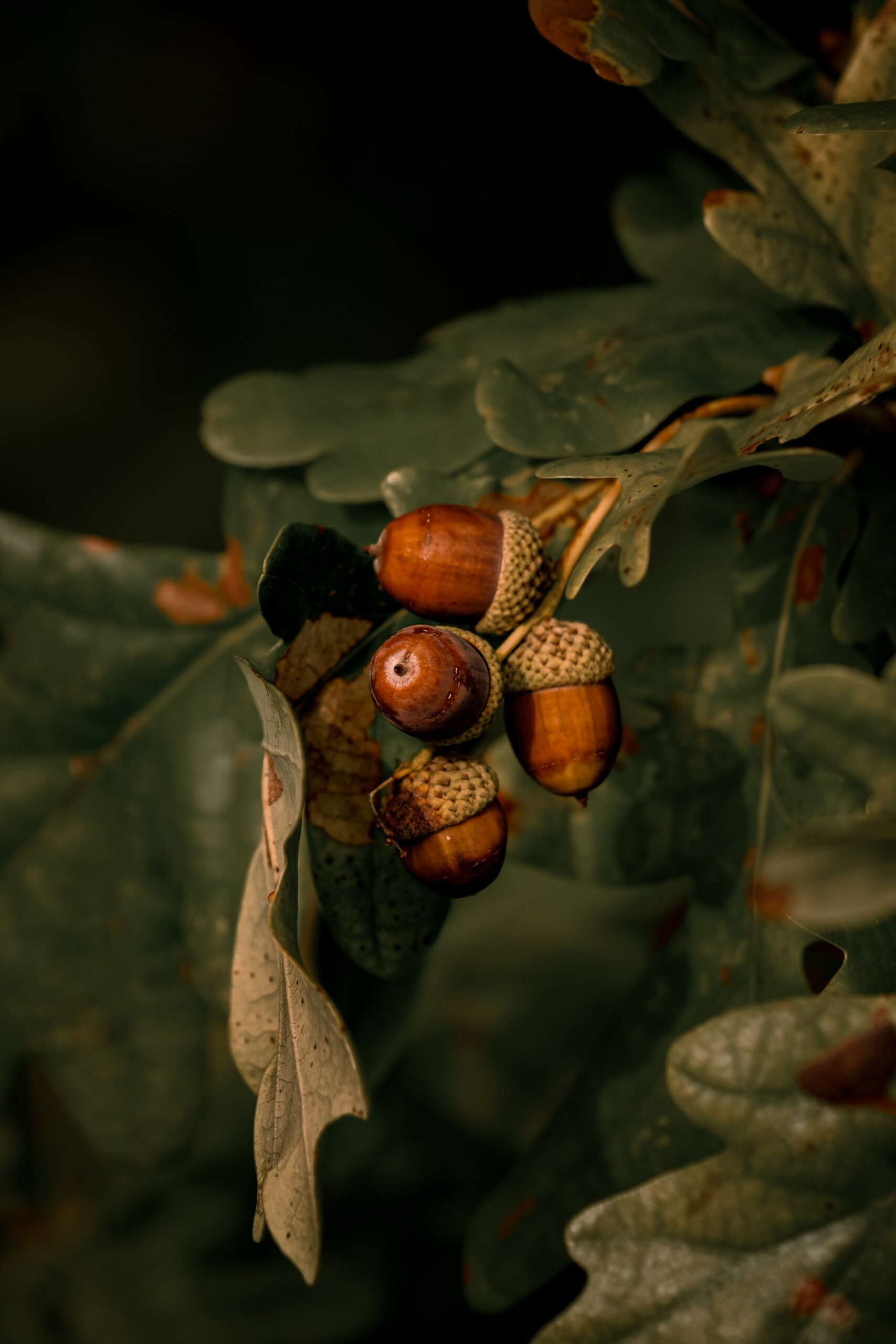
The acorn-fed designation is linked to feeding and management during the final fattening stage. It does not simply mean the pig ate some acorns. The standard defines conditions for the montanera period, including timing, minimum age, weight gain and use of authorised dehesa resources.
Montanera is the seasonal period when pigs forage on acorns and pasture in suitable dehesa areas. This is why terms such as dehesa and montanera are themselves reserved on labels and in advertising for products that meet the requirements of the acorn-fed designation.
The black seal: where acorn-fed and 100% Iberian meet
Iberian hams and shoulders carry a coloured seal that helps identify their category. The black seal is reserved for “100% Iberian acorn-fed” products. This is the category in which acorn-fed management and 100% Iberian breed status coincide.
The red seal also identifies acorn-fed products, but not animals classified as 100% Iberian. That comparison is useful because it shows that seal colours are not simply a marketing ladder from “good” to “best”; each colour encodes a specific legal designation. Our guide to black, red, green and white Iberian ham seals explains all four categories in detail.
What does “pata negra” mean?
In everyday speech, “pata negra” has long been used loosely to mean very high-quality ham. Legally, the expression is far narrower. The Iberian Quality Standard reserves “pata negra” exclusively for the designation “100% Iberian acorn-fed”. It should therefore not be used as a generic synonym for every Iberian ham.
This matters particularly when shopping online. If a product is described as pata negra, the full designation and seal should be consistent with that claim. A strong product page should let the customer verify the category instead of asking them to infer it from pictures or marketing language.
What is distinctive about the full “acorn-fed 100% Iberian” designation
The expression combines two dimensions that can vary independently in other Iberian products: feeding/production system and breed purity. The black seal therefore identifies a specific combination rather than acting as a loose synonym for “good ham”.
How to check a black-seal product without turning shopping into an exam
- Check that the legal sales name states acorn-fed 100% Iberian.
- Verify the official black seal.
- Distinguish ham from shoulder and whole-piece formats from sliced packs.
- Only then compare producer, curing, weight, format and storage.
For all seal colours, use our black, red, green and white seal guide. For breed percentage alone, see what 50%, 75% and 100% Iberian mean.
What the black seal does not promise by itself
It does not make two pieces taste identical or fix one exact fat level, curing time or yield. Producer, individual piece and process still create differences. The seal verifies a regulated category; sensory quality involves more variables.
A useful way to understand “pata negra”
Under the Iberian standard, the expression is reserved for acorn-fed 100% Iberian products. When buying, however, the full legal designation and official seal are more precise than relying on a colloquial phrase.
Related hams and shoulders
-
EMDO Selection SaleSale!
 Select options
This product has multiple variants. The options may be chosen on the product page
Select options
This product has multiple variants. The options may be chosen on the product page
-
EMDO Selection SaleSale!Select options
This product has multiple variants. The options may be chosen on the product page
-
EMDO Selection SaleSale!Select options
This product has multiple variants. The options may be chosen on the product page
-
EMDO Selection SaleSale!Select options
This product has multiple variants. The options may be chosen on the product page
-
Sale!Select options
This product has multiple variants. The options may be chosen on the product page
Sources and references
Spanish Official Gazette — Royal Decree 4/2014, Iberian Quality Standard.
