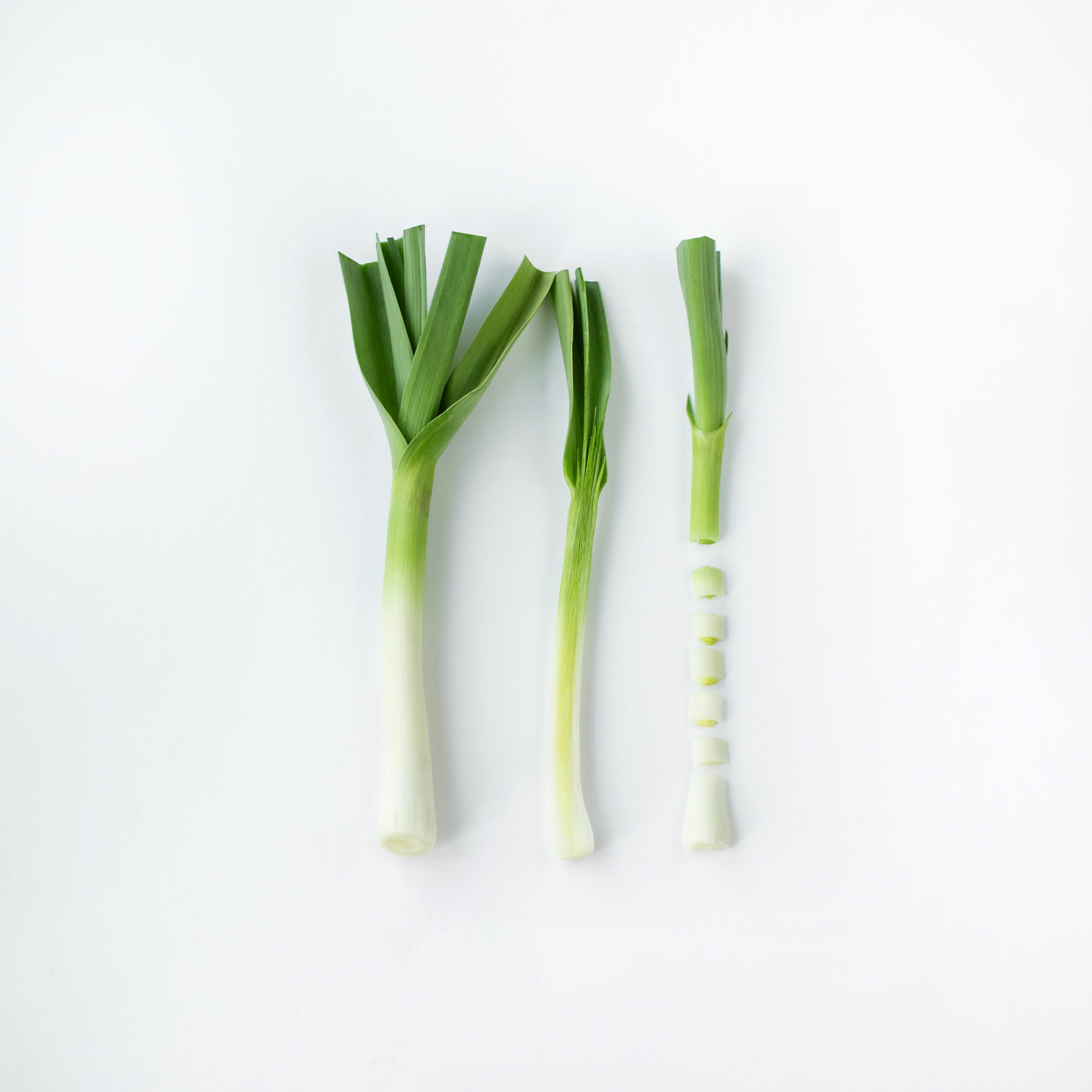
Leeks look straightforward until you cut one open and discover soil trapped between layers that appeared perfectly clean from the outside. It is also common to throw away most of the dark green leaves because recipes often call only for “the white part”. In reality, most of a healthy leek is edible; what changes is tenderness and therefore the best use for each section.
Its structure explains both how to use it and why cleaning a leek differs from peeling an onion. A leek forms overlapping leaf sheaths rather than a closed bulb. Soil can work between those layers during cultivation, especially around the point where white turns to green.
Related guides: when brown flesh inside an eggplant is normalwhy cut fruit and vegetables turn brownwhy cut potatoes turn black and how to prevent itshop vegetables
Which parts can you eat?
For kitchen purposes, divide a leek into three zones: white base, pale green section and dark green leaves. All can be eaten when sound and properly cleaned, but they differ significantly in fibre.
The white and pale green sections are the most tender and mild. They suit sautés, soups, omelettes, pies and dishes where the leek needs to soften quickly. Dark green leaves are firmer and work particularly well in stocks, broths and longer cooking.
Do the dark leaves have to be discarded?
No. Discard them only when they are badly dried, yellowed, slimy, damaged or spoiled. Healthy green leaves have plenty of flavour. They may simply be too fibrous for a delicate purée unless cooked for longer.
A practical approach is to reserve the toughest outer leaves for stock and use the paler inner green layers with the white section.
Why does soil hide inside leeks?
Part of the plant is kept away from light to develop the long pale section, commonly by earthing soil around the stems. Because the leaf sheaths overlap and remain open above, fine soil particles can work down between them.
Rinsing only the exterior may therefore miss a surprising amount of grit. The transition from white to green deserves particular attention.
Method 1: cleaning a leek before slicing
Trim the roots while leaving enough of the base intact to hold the layers together. Remove only genuinely damaged outer leaves. Make a lengthwise cut from the green end towards the base, stopping short if you want the leek to remain attached.
Fan the layers under cold running drinking water and let the flow carry soil outward. Separate gently with your fingers rather than crushing the leaves. Drain once no visible grit remains.
Method 2: cleaning a leek after cutting
For soups and sautés, cutting first can be easier. Trim the root and damaged leaves, split the leek lengthwise and slice into half-moons. Put the pieces into a large bowl of cold water and move them gently with your hands.
Dense grit tends to sink while leek pieces remain higher in the water. Do not simply pour the whole bowl through a colander, because that can wash sediment back over the vegetable. Lift the leek out with your hands or a slotted spoon and repeat with clean water if necessary.
Do vinegar or bicarbonate help?
They are not needed to remove soil. Potable water and gentle physical cleaning do the main work. Neither vinegar nor bicarbonate compensates for failing to open the layers where grit is trapped.
For general produce hygiene, use clean hands and utensils, drinking-quality water and good separation from raw meat. Domestic washing is not a process for sterilising vegetables.
Can the root be used?
The fine root hairs are normally trimmed for convenience. When exceptionally fresh and thoroughly cleaned they can be cooked in some crisp preparations, but removing them is the simplest option in most home kitchens.
How to cut leek for different dishes
- Sauté: thin half-moons for rapid softening.
- Soup or purée: regular slices, including pale green sections.
- Stock: large pieces, including clean dark leaves.
- Roasting or braising: longer pieces from the white and pale green zones.
- Garnish: fine julienne for a more delicate texture.
Signs of deterioration
A slightly dry outer leaf does not make the whole leek unusable; remove it and inspect the rest. Slime, unpleasant odour, watery collapsed tissue or extensive mould indicate genuine deterioration.
Yellow tips generally indicate ageing and quality loss rather than proving a safety problem by colour alone. Texture, smell and the extent of damage matter together.
How to store leeks
Fresh leeks benefit from refrigeration and protection against drying. There is usually no advantage in washing them before storage if they will be used later; cleaning just before cooking avoids leaving moisture between layers. If already washed, dry thoroughly before refrigerating.
Our vegetable storage guide explains the wider principles for refrigeration, humidity and preventing water loss.
A simple way to waste less
Do not think “white equals good, green equals waste”. Think in terms of tenderness and cooking time. Darker outer leaves are generally more fibrous and better suited to stocks and long cooking, while the pale centre is ideal for quicker preparations.
Frequently asked questions
Can leek be eaten raw?
Yes, particularly the white and pale green parts sliced very finely, provided the leek is fresh and properly washed. Raw flavour is stronger.
Why is there still grit after rinsing?
Because soil can remain between layers that were never opened. Splitting the leek lengthwise or washing after slicing is more effective.
Are dark leaves bitter?
Not necessarily. They are stronger and more fibrous, and cooking method greatly changes how they taste.
Can I freeze green leaves for stock?
Yes. Wash, dry and cut them before freezing for later use in cooked dishes.



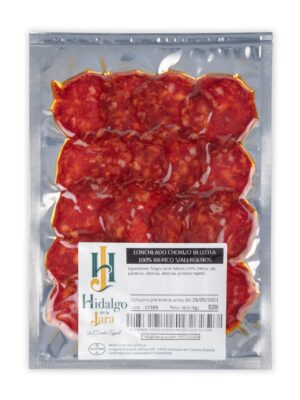 100% Iberian acorn-fed chorizo, 10 × 100g machine-sliced packs