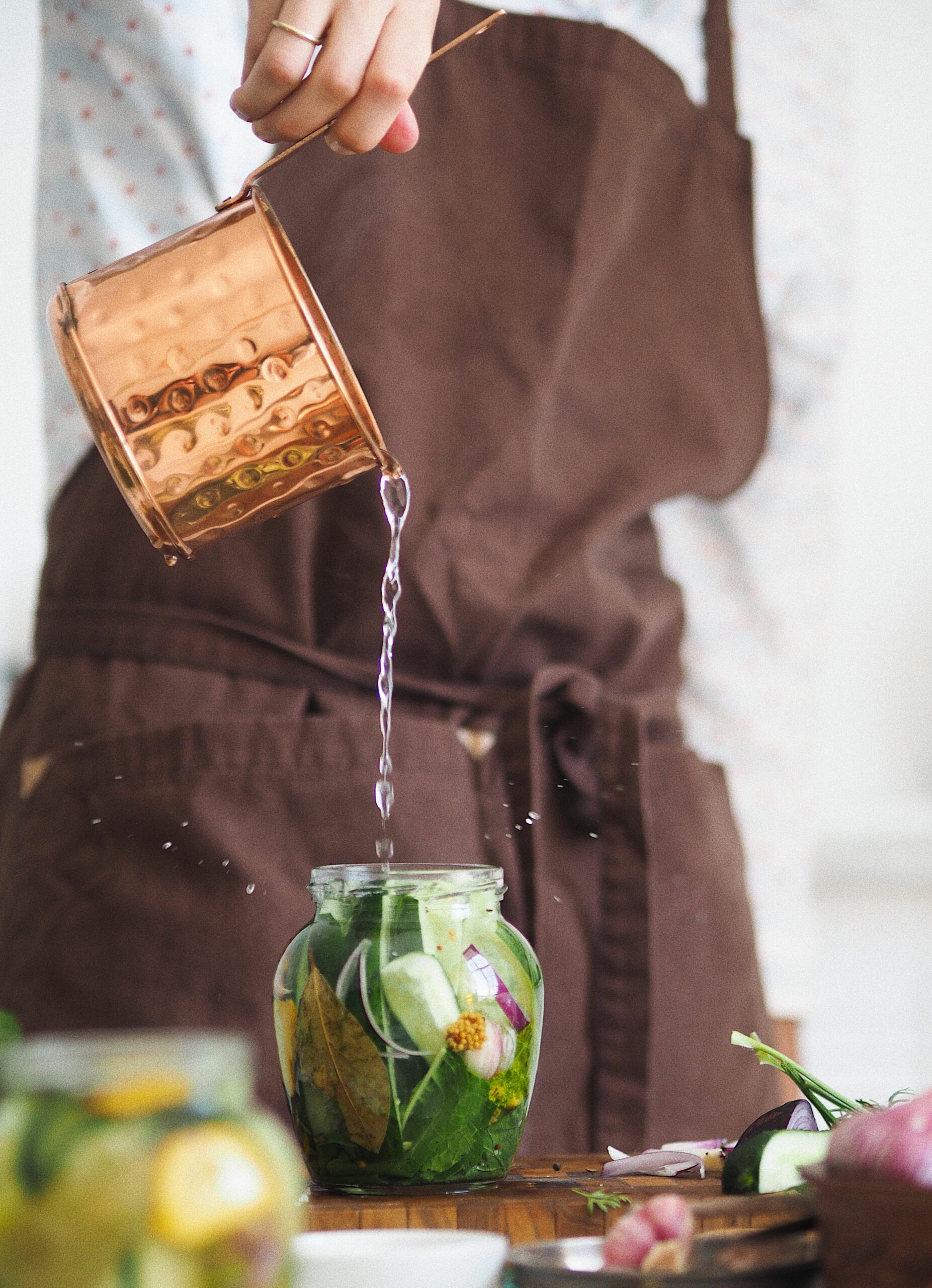
Open a jar of peppers, artichokes, asparagus, green beans or cooked pulses and a common question appears: what exactly is the liquid around the food, and should it be thrown away? The answer depends on the product. Packing liquid may be water, brine, an acidified solution, vegetable juice, cooking liquor or a formulation designed to help the food retain its intended characteristics throughout shelf life.
It should not be dismissed as purposeless added liquid. In a commercial preserve, the medium surrounding the food is part of the processing system. It assists heat transfer, keeps pieces covered, influences the distribution of salt or acidity and can affect texture, colour and flavour.
What is packing or covering liquid?
In practical terms, it is the liquid medium in which a solid food is presented inside the container. Vegetable preserves may list water, brine, salt, vinegar, citric acid or other permitted ingredients. In other products, part of the liquid comes from the vegetable itself and from cooking.
You cannot reliably identify the formulation by sight. Two similar-looking jars can use different recipes. The dependable source is the ingredient list. Our guide to reading a vegetable preserve label explains how to interpret that information.
It is not automatically “dirty water”
During processing and storage, liquid can contain pigments, soluble minerals, starch, proteins, sugars and aromatic compounds from the food. It may therefore become cloudy, strongly coloured or slightly viscous without anything being wrong. Normal appearance varies considerably between vegetables.
Cooked pulses often release starch and proteins into their liquor. Peppers and tomatoes may colour the surrounding liquid intensely. Pickled vegetables have a medium dominated by acidity and seasonings. Treating all of this as dirt misrepresents what the liquid actually contains.
Its role during heat processing
A shelf-stable commercial preserve is not safe merely because the container is closed. Formulation, heat treatment and hermetic sealing work together. Liquid around the pieces helps heat move through the contents and reduces the large air spaces that would otherwise make heating behaviour different.
This does not mean a commercial process can be recreated at home simply by pouring hot liquid into a jar. Industrial preserves are designed and validated for specific conditions. Our article on how commercial vegetable preserves are sterilised explains why the process and the sealed container must be considered together.
Brine, water and acidified media
Brine is a solution of water and salt, although concentration varies widely. It can contribute flavour, influence water balance between the vegetable and the surrounding medium and form part of the manufacturer's technical formulation. Acidified products may include vinegar, citric acid or other acids for sensory and technological reasons.
Other preserves use water with very little added salt. It is therefore wrong to assume that every packing liquid is highly salty. If sodium matters to you, read the ingredient list and nutrition declaration rather than judging by the container alone.
Can you consume the liquid?
In a sound commercial preserve, the liquid is part of the packaged food unless the label indicates otherwise. Whether it is worth using in the dish is a culinary question. It can provide flavour and body to sauces, soups, stews or rice dishes; in other cases it may be too salty, acidic or intense for the intended recipe.
There is no universal cooking rule requiring you either to consume or discard it. Taste it when appropriate and decide by flavour. If your aim is to reduce surface salt or acidity, draining and sometimes rinsing certain foods can help, although it will also remove part of their flavour.
Should preserved vegetables always be rinsed?
No. Automatic rinsing can wash away flavours that the producer intended to retain. With delicate artichokes or good preserved peppers, draining and washing everything may make the result less expressive. With some canned pulses, on the other hand, a quick rinse can be useful when a clean-tasting preparation is desired.
The choice should follow the dish, not the assumption that the liquid is undesirable. A preserve is an ingredient that has already undergone part of the cooking process, as we explain in how to cook with vegetable preserves.
What about nutrients that move into the liquid?
Some water-soluble compounds can migrate from the vegetable into the surrounding medium during processing and storage. Discarding the liquid can therefore discard part of those compounds. That still does not mean it must always be consumed: the nutritional significance depends on the product, the quantity of liquid and its formulation.
It is also misleading to compare canned and fresh vegetables on this single point. Heat, time after harvest, storage and the way fresh vegetables are cooked all affect nutrients. Our guide to canned versus fresh vegetable nutrition looks at the full comparison.
Why can the liquid look cloudy?
Cloudiness can come from vegetable particles, starch, proteins or tiny fragments released from the food. In some products this is entirely normal. You should nevertheless assess the whole container: swelling, leakage, a failed vacuum where one is expected, clearly abnormal foaming after opening, unpleasant odour or obvious spoilage are reasons to discard the product.
The important point is not to use liquid clarity as the only safety test. Some sound preserves are naturally cloudy, while others are expected to be clearer because of their formulation.
Does the liquid count towards the product weight?
It contributes to the total net quantity where applicable, but solid foods presented in specified liquid media also declare a drained net weight. That second figure tells you how much solid food remains after the packing medium is removed.
The distinction is very useful when comparing two similarly sized jars. A larger-looking container can hold a similar or even smaller amount of vegetable. Our guide to net weight versus drained weight explains how to compare them.
What changes after the container is opened?
Opening changes the preservation system: the hermetic barrier is gone and microorganisms can enter from the environment and utensils. Follow the producer's instructions for refrigeration and time after opening. Keeping food covered by its liquid can help prevent drying and preserve texture, but it does not replace refrigeration where refrigeration is required.
With cans, transferring leftovers to a clean, covered food container is often convenient if they will not be eaten promptly. The priority is to reduce contamination and quality loss.
Can the liquid be used in cooking?
Yes, when the flavour fits. Pepper juices can strengthen a sauce, pulse liquor can add body, and tomato liquid can become part of a stew. Taste before adding all of it so that you can control salt, acidity and concentration.
For dishes requiring precise seasoning, add a portion first and adjust afterwards. That allows you to use the flavour without letting a strong brine dominate the recipe.
The key idea
Packing liquid is not universal waste; it is part of how the preserve is designed. It can participate in heat transfer, preservation conditions, texture and flavour, and it may contain compounds released by the vegetable itself. Whether you use or drain it depends on the product and the dish.
Read the ingredients, taste the liquid when appropriate and follow the producer's storage directions. And when comparing value, do not confuse the visible volume of the jar with the actual amount of solid food.



 Beef osso buco
 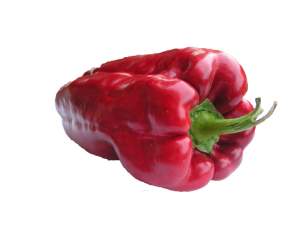 Red Lamuyo Pepper
  White Potatoes