A good vegetable preserve is not merely an emergency substitute for fresh produce. It is an ingredient that has already gone through part of the culinary process: selection, cleaning, heat treatment and preservation. That changes how it should be cooked. If you treat a preserved roasted pepper like a raw pepper, you will probably overcook it. If you recognise that it is already ready to eat or nearly ready to integrate, you can protect its texture and flavour.
The useful mindset is to see a preserve as an advanced ingredient, not a finished product that can only be opened and served. It can become a sauce, rice base, soup, filling, beef accompaniment, pulse dish or the centre of an appetiser.
First, understand the preserve in front of you
Vegetable preserves vary in the main ingredient, packing liquid, salt, oil, vinegar and degree of cooking. Read the label before deciding what role the product should play.
Roasted peppers already carry toasted flavour. Preserved tomatoes vary greatly in concentration. Tender products such as leeks or young garlic may be valuable precisely because of their texture, which can be destroyed by an unnecessarily long second cooking.
The packing liquid is part of the decision
Draining should not be automatic. Some liquids are simply preservation media and add little to the dish; others contain useful flavour. Read the label and taste a small amount where appropriate.
If the liquid is too salty, acidic or dominant, drain it. If it is clean and suits the dish, small amounts may be useful in a sauce or soup. Cook by judgement rather than applying one rule to every jar.
Roasted peppers: far more than a side for meat
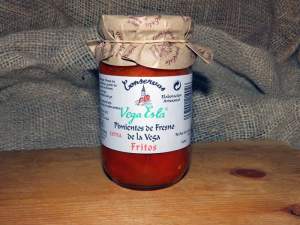
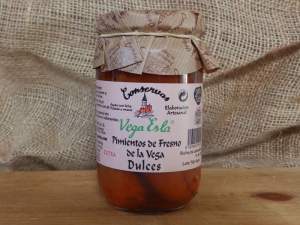
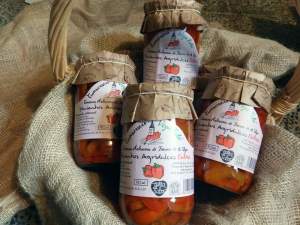
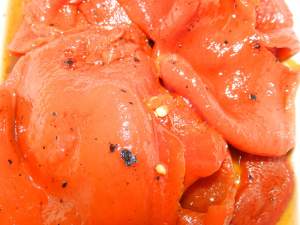
Preserved roasted peppers can be blended with extra virgin olive oil, garlic and acidity into a sauce; warmed with softened onion; folded into an omelette; placed on toast; added to pulses or used in fillings.
Because they are already roasted, they usually need warming or late integration rather than another long cooking. Brief heating protects texture and character.
Preserved tomato: a culinary foundation
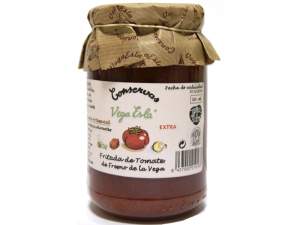
Preserved tomato can begin a sofrito, enrich a stew, become the base of rice, accompany meatballs or ground beef and provide structure to soup. The amount of reduction required depends on the format.
When combining tomato with beef, brown the meat first and add tomato afterwards. Too much liquid too early can prevent proper browning and reduce the aromas created by surface caramelisation.
Leeks and young garlic: protect their texture
Tender preserved vegetables such as leeks and young garlic work particularly well in dishes where aggressive second cooking is unnecessary. Warm and dress them, add them to vinaigrette, place them over a creamy base, serve with beef or use on toast.
If they go into a hot sauce, adding them near the end warms them through without breaking them down. This “add late” principle suits many delicate preserves.
Preserves and pulses: a particularly practical combination
Cooked pulses need flavour, acidity, fat and contrasting texture to become a complete quick dish. Peppers, tomato and other preserved vegetables can provide much of that structure within minutes.
Cooked chickpeas with roasted pepper, onion, extra virgin olive oil and vinaigrette can become a warm salad. In a stew, preserved tomato can form the base while more delicate vegetables are added near the end.
How to use them with beef
Vegetable preserves can bring contrast and moisture to beef. Roasted pepper works beside a pan-seared cut; tomato sauces suit ground beef or meatballs; a blended vegetable preserve can form the base for a slow-cooked dish.
Sequence still matters: first apply the technique the beef needs — browning, searing or slow cooking — and then use the preserve when it contributes most. Convenience should not make the main ingredient cook worse.
Appetisers: where preserves shine easily
A good preserve can become the centre of toast or a small plate. Good bread, extra virgin olive oil, preserved vegetables and one salty or crunchy component may be enough. There is no need to hide the ingredient beneath too many flavours.
Preserves also make it easier to build a varied table without cooking everything from scratch: Iberian cured meats, peppers, preserved vegetables, bread, olive oil and dressed pulses offer different textures and temperatures with relatively little work.
Turning a quick soup into something deeper
A vegetable preserve can be blended with stock or water, but layering improves the result. Soften garlic or onion first, add the preserve, then liquid, and blend. A good extra virgin olive oil at the end can round out texture and aroma.
Add liquid gradually. It is much easier to loosen a thick soup than to rescue one that has become watery.
Rice and pasta: use preserves as concentrated flavour
For rice dishes, tomato or pepper can join the sofrito before the main cooking liquid. For pasta, a preserve blended with oil and other appropriate ingredients can become a fast sauce.
Part of the water has already been managed during preservation, but concentration varies from product to product, so final liquid still needs adjustment.
Do not confuse “artisan” with one universal technique
Our guide to choosing vegetable preserves focuses on ingredients, origin and processing rather than marketing words alone. Two artisan preserves can have very different textures and recipes.
The same principle applies when cooking: taste before seasoning. The product may already contain enough salt, acidity or spices, and adding more automatically can unbalance the dish.
When should the preserve go into the pan?
Ask how much cooking it genuinely needs. A robust tomato base that needs reduction can go in early. A delicate vegetable whose texture you want to keep should go in late. A product designed to be served directly may need nothing more than warming or dressing.
This simple classification prevents most mistakes: reduce what needs concentration, integrate what needs blending and respect what is already at its best.
A good pantry multiplies possibilities
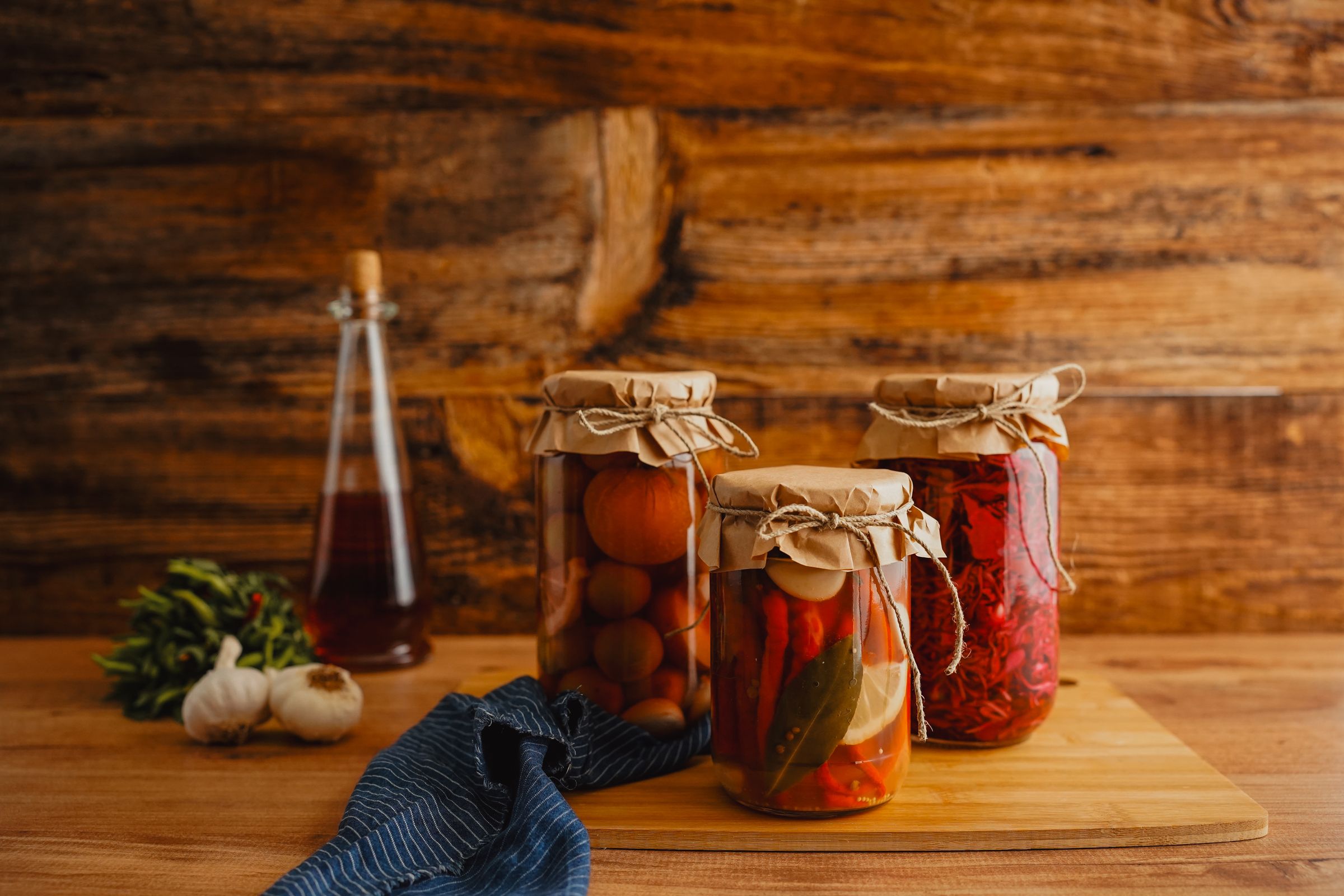
Preserves are valuable because they extend the range of a kitchen without requiring fresh produce to be available every day. They work best when they complement rather than mechanically replace other techniques and ingredients.
A good jar can become sauce, side dish, appetiser, stew foundation or main element. The difference is treating it as an ingredient with its own identity rather than a last-resort solution.