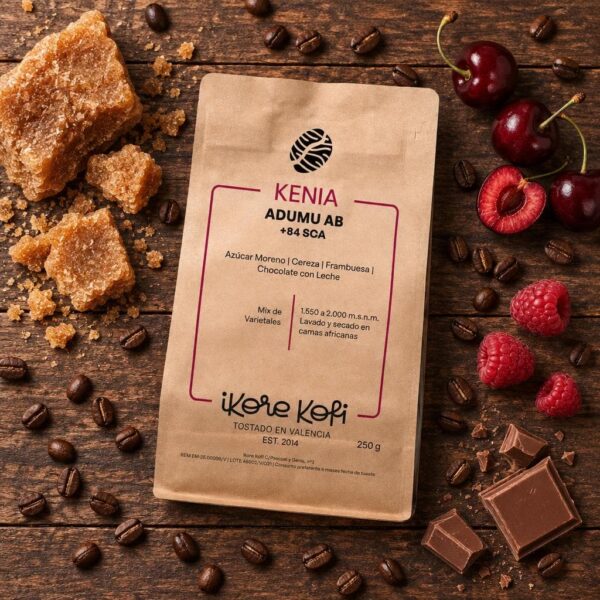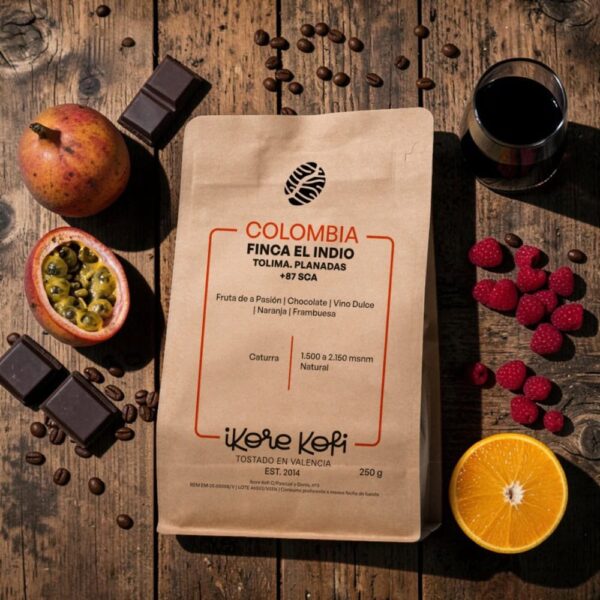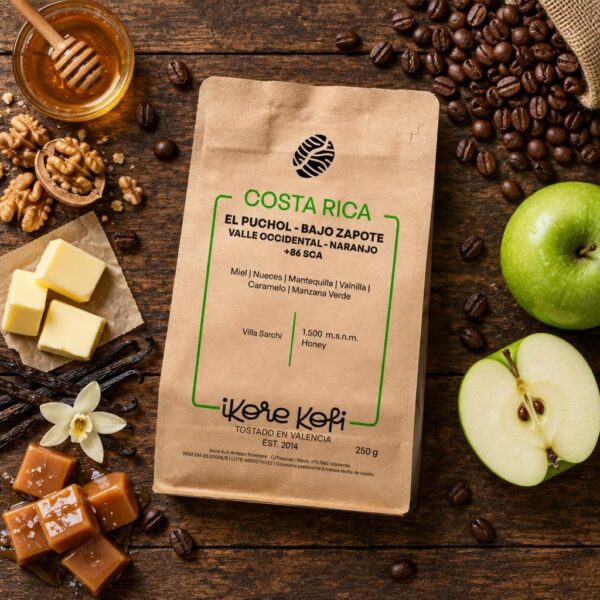
Choosing coffee by bean colour seems easy: light for a mild cup, dark for strength and medium if you want to play it safe. Those shortcuts are misleading. A light roast can taste strikingly lively and acidic, while a dark roast may feel heavier without necessarily containing more caffeine.
Roasting transforms green coffee. Heat triggers chemical changes that develop aroma compounds, alter others and affect the bean's solubility. Understanding those changes helps you choose the flavour style you want and then brew it successfully with the equipment you own.
The appeal of a light roast
Lightly roasted coffee undergoes less development than a darker profile. Characteristics related to origin and processing can be especially noticeable, including floral aromas or fruit-like tasting notes. The quality of the green beans and the roaster's skill still determine whether these features are pleasant.
In the cup, a light roast may have pronounced acidity and a less heavy body. That does not necessarily make it less powerful in flavour. Some drinkers find its brightness more intense than the traditional taste of dark coffee. Filter methods such as V60 can show these qualities clearly. Espresso can work too, but lighter beans may require more careful adjustments.
Poorly developed light coffee can taste unpleasantly grassy or sharply sour. This is not a requirement of the style. It may signal a problem with the raw material, roasting or extraction. It is worth distinguishing attractive fruit acidity from an unbalanced cup.
Medium roast: versatile rather than flavourless
Medium roasting often combines recognisable characteristics of the coffee with chocolate, caramel or nut flavours and a balanced mouthfeel. But “medium” is not a precise position on a universal scale: roasters can use the term somewhat differently.
If you drink coffee both black and with milk, medium roast can be flexible. It may perform well through a moka pot, espresso machine, filter brewer or bean-to-cup appliance, as long as the grind suits each method. The same bag does not need the same grinding setting for every brewer.
For someone used to torrefacto or extremely dark blends, medium-roasted natural coffee can be an approachable route towards flavour less dominated by the roast itself. Cocoa and nut descriptions may provide a familiar starting point before exploring more unusual fruit-forward profiles.
What dark roasting brings to the cup
A dark roast tends to emphasise roasted flavours, reduce the prominence of some delicate origin notes and increase bitterness. Beans may look more glossy as oils migrate towards the surface. For people who enjoy a pronounced roasted taste in a milk drink, it can be a genuinely appealing choice.
The trade-off is that strong roast flavour can make the distinctive qualities of the beans harder to recognise. That does not mean every dark roast is poorly made. The question is whether the roaster has created a coherent product without objectionable defects, and whether it suits what you enjoy drinking.
If you use a superautomatic machine, check the manual before choosing extremely oily beans; some grinders may accumulate residue. In a moka pot, a dark roast combined with excessive heating can lead to particularly bitter results. Neither observation is a blanket prohibition, but both are useful preparation considerations.
Does dark roast contain more caffeine?
Bean colour is not a dependable way to predict how much caffeine is in the finished drink. Species, dose, measurement method and extraction all matter. Beans change mass and volume as they roast, so comparing one spoonful with another is not even a controlled comparison unless you use consistent weights.
A coffee described as “strong” or “intense” is usually conveying a flavour expectation rather than a measured caffeine concentration. If caffeine levels are important to you, look beyond the roasting colour and consider the coffee's composition and your brewing recipe.
Dark roast is not the same as torrefacto
Light, medium and dark describe roast development. Natural roast and torrefacto are different manufacturing categories used in Spain; torrefacto involves adding sugar during roasting. A naturally roasted coffee can be quite dark without becoming torrefacto. Spanish labels using the word mezcla can add a second source of confusion.
Our explanation of natural roast, torrefacto and mezcla separates those classifications and helps you understand what the label actually promises.
How to discover your favourite roast
Try two coffees that are reasonably similar in origin and flavour style but have different roast levels. Brew them with the same equipment, while allowing sensible grind adjustments so that neither is clearly under- or over-extracted. Taste them black first if you are comfortable doing so, then prepare them as you normally drink coffee.
Notice whether you prefer the light roast's brightness, the medium roast's balance or the dark roast's toasted character. You may prefer one style for morning espresso and another for weekend filter coffee. There is no need to pick one for life.
When shopping online, read the tasting notes and roast-date information where available, rather than relying on a colour label alone. The best roast is the one that brings appealing qualities out of the coffee and makes a cup you want to brew again. The current origin-coffee listings let you compare how the roaster describes each profile.