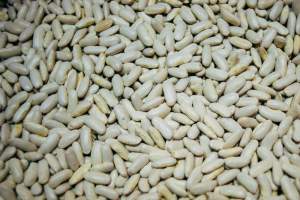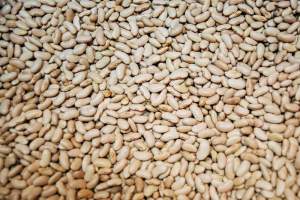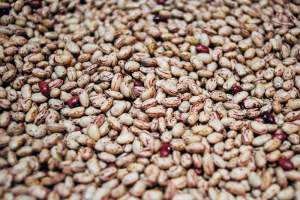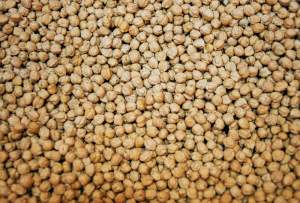
Legumes are well known for their fibre, but the amount is not the same in every type. When dry foods are compared using one reference source, dry beans lead this table, followed by dried broad beans and dried peas.
As with protein and iron, the state of the food matters. A cooked legume contains much more water, so its fibre concentration per 100 g is lower than in the dry product.
Ranking: fibre in legumes per 100 g dry weight
| Rank | Dry legume | Fibre per 100 g |
|---|---|---|
| 1 | Dry beans | 25.4 g |
| 2 | Dried broad beans | 19.0 g |
| 3 | Dried peas | 16.7 g |
| 4 | Soybeans | 15.7 g |
| 5 | Chickpeas | 15.0 g |
| 6 | Lentils | 11.7 g |
Approximate values per 100 g dry product from composition tables compiled by the Spanish Nutrition Foundation.
Dry beans contain the most fibre in this table
Dry beans provide 25.4 g of fibre per 100 g in the reference used here, clearly more than chickpeas and lentils in the same table.
This does not mean every bean variety contains exactly 25.4 g or that a cooked serving provides that amount. Composition tables are reference averages and natural variation exists.
Which has more fibre: chickpeas, lentils or beans?
Using the dry values in this guide, the order is:
- Dry beans: 25.4 g/100 g.
- Chickpeas: 15.0 g/100 g.
- Lentils: 11.7 g/100 g.
For all the main nutrients side by side, see our guide to chickpeas, lentils and beans.
Soluble and insoluble fibre: legumes contain both
Dietary fibre is not a single substance. Legumes contain both soluble and insoluble fibre, in proportions that differ with species and preparation.
Insoluble fibre forms part of plant structure, while some soluble fibres and fermentable carbohydrates can be used by gut bacteria. That fermentation also helps explain why some people notice more gas when they eat legumes, particularly after a sudden increase in intake.
Does removing the skin reduce fibre?
The outer layer of many legumes contains a meaningful proportion of their fibre. Peeled legumes, or preparations that are blended and then strained, can therefore have a different profile from the whole food.
There is no general need to remove the skin. The choice may depend on the recipe, desired texture and individual tolerance.
Does cooking destroy legume fibre?
Cooking softens cell walls and changes plant structures, but the dramatic difference seen in values «per 100 g» is largely because cooked legumes contain much more water.
A fair comparison should match cooked beans with cooked chickpeas, or dry beans with dry chickpeas. Mixing states changes the denominator and can completely distort the apparent ranking.
Fibre and gas: why they can be connected
Legumes contain fibre and fermentable oligosaccharides. Gut bacteria use some of these compounds and produce gases during fermentation. That is different from saying legumes universally cause digestive problems.
Tolerance depends on the person, amount, frequency and preparation. Thorough soaking and cooking, suitable portions and a gradual increase can all change the experience.
Is the highest-fibre legume always the best choice?
Not necessarily. A legume is more than one nutrient: protein, fibre, minerals, flavour, texture and cooking use all matter. Lentils rank last for dry fibre in this table but second in our protein comparison and provide a relevant amount of iron.
Variety is generally more useful than chasing a single number.
Conclusion: which legume has the most fibre?
Dry beans contain the most fibre in the table used here, at 25.4 g per 100 g. They are followed by dried broad beans (19.0 g), dried peas (16.7 g), soybeans (15.7 g), chickpeas (15.0 g) and lentils (11.7 g).
These figures are useful for like-for-like comparison. To calculate the fibre in an actual meal, cooked-food values and serving size are more appropriate.
Frequently asked questions
Which has more fibre, lentils or chickpeas?
In this dry-food reference, chickpeas provide 15.0 g per 100 g and lentils 11.7 g.
Which has more fibre, beans or lentils?
Dry beans are clearly higher in this table: 25.4 g versus 11.7 g per 100 g.
Why do cooked-legume tables show much less fibre?
Mainly because the legume has absorbed water and become heavier, reducing fibre concentration per 100 g.
Sources
Comparative values are based on the Spanish Nutrition Foundation (FEN) report on legumes, nutrition and health. See also our overview of the nutrients in legumes.