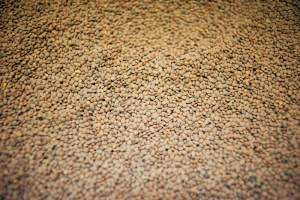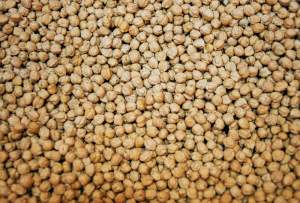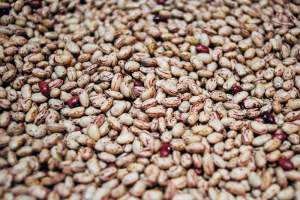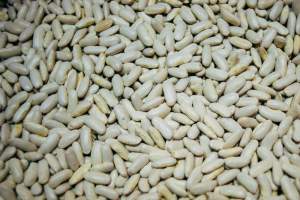
Lentils, chickpeas and beans are nutrient-dense foods and meaningful sources of plant protein. They are often described, however, with a phrase that needs context: “legume protein is incomplete.” Legumes do contain the essential amino acids, but they are not always present in the proportions used as the reference pattern for protein quality. In many common pulses, sulphur-containing amino acids — particularly methionine and cysteine — are relatively limiting.
This does not mean their protein is useless. Protein quality depends on total intake, amino-acid profile, digestibility and the rest of the diet. A varied eating pattern can therefore complement the weaker point of one food with other protein sources.
What does “complete protein” mean?
Proteins are made from amino acids. The human body can make some of them, while others must be supplied by food and are considered essential. A “complete” protein is usually understood as one that provides essential amino acids in sufficient amounts and proportions relative to a reference requirement, with digestibility also taken into account.
The complete/incomplete distinction can be useful, but it becomes misleading when interpreted as good versus bad. A food may have a limiting amino acid and still contribute substantially to total dietary protein.
Which amino acids tend to be limiting in legumes?
In lentils, chickpeas, beans and many other pulses, methionine and cysteine tend to be relatively lower compared with the reference amino-acid pattern. Lysine, on the other hand, is generally well represented. Cereal grains frequently show a complementary pattern: they tend to be lower in lysine and can contribute a different balance of sulphur amino acids.
Not every legume is identical. Soy, peas, lentils and chickpeas differ in amino-acid profile and digestibility, so broad rules should be treated as general trends rather than fixed facts.
Why legumes and grains complement each other
| Combination | What it contributes | Example |
|---|---|---|
| Legume + rice | Complementary amino-acid patterns | Lentils with rice |
| Legume + wheat | Pulse lysine plus a different grain profile | Chickpeas with wholegrain bread |
| Legume + maize | Combines two different plant proteins | Beans with maize |
| Legume + nuts or seeds | Adds variety and total protein | Lentil salad with seeds |
Complementarity does not require a precise formula. In an adequate varied diet, proteins eaten throughout the day contribute amino acids to the pool used by the body to build and renew its own proteins.
Do legumes and grains have to be eaten in the same meal?
No. The idea that lentils must be paired with rice in exactly the same meal for their protein to “work” is too rigid. For a healthy person meeting energy and protein needs, different foods eaten across the day can provide complementary amino-acid patterns.
Traditional combinations are still useful and enjoyable. Lentils with rice, chickpeas with bread or beans with grains can make convenient meals containing protein, fibre, complex carbohydrate and micronutrients.
How much protein do cooked pulses provide?
Many cooked pulses provide roughly 7–9 grams of protein per 100 grams, although the exact amount varies with species, variety and water absorbed during cooking. Dry pulses show much higher values per 100 g simply because they contain far less water.
This is why like-for-like comparisons matter. One hundred grams of dry lentils is not equivalent to 100 g of cooked lentils. For practical comparisons, use foods in the same cooked and drained state or compare realistic servings.
Digestibility matters too
Protein quality is not determined by chemical composition alone. Food structure, fibre and naturally occurring plant compounds can affect digestion and amino-acid availability. Soaking and, most importantly, adequate cooking modify some of these factors.
This is why modern protein-quality methods go beyond counting grams and consider indispensable amino-acid profiles and digestibility.
How to make the most of legume protein
- Eat pulses regularly and vary lentils, chickpeas, beans and other familiar options.
- Include grains, nuts, seeds or other protein foods across the day.
- Meet overall energy needs so dietary protein can be used efficiently.
- Use appropriate soaking and cooking methods where required.
- In fully plant-based diets, plan nutrients such as vitamin B12 separately.
Legumes also provide much more than protein. They can contribute fibre, folate, iron, magnesium, potassium and complex carbohydrate, so evaluating them only by protein grams misses much of their nutritional value.
So is legume protein complete or incomplete?
The most accurate practical answer is that legumes contain the essential amino acids, while their pattern is often relatively limited in sulphur amino acids. In a varied diet, other protein sources can complement that profile without needing to be eaten in exactly the same meal.
For a direct comparison, read our lentils vs chickpeas guide and explore our other legume nutrition articles.
Sources and method
This article summarises established FAO/WHO protein-quality principles and general food-composition data. Figures are approximate and can vary with variety, cooking and draining. It is general information rather than individual dietary advice.