
Iberian lomo and Iberian lomito can look like two sizes of the same cured meat, but in our current range they start with different muscles. Hidalgo de la Jara's cured lomo is made from the pork loin, while its lomito — also described as caña de presa — is made from Iberian presa. That anatomical difference explains changes in diameter, fat marbling, texture, flavour and piece size.
This clarification matters because “lomito” is not used identically by every producer or region. When comparing products, do not rely on the commercial name alone: check the cut stated in the ingredients or product description. In the products sold by El Mercado de Origen, the comparison is specific: loin versus presa.
What is cured Iberian lomo?
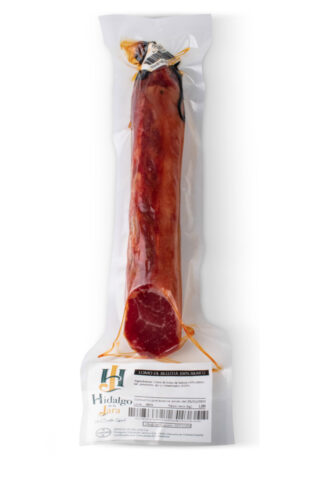
Caña de lomo is made from the long loin muscle running along the pig's back. The whole muscle is trimmed, salted and seasoned — commonly with paprika, garlic and spices — then enclosed and allowed to dry and mature under controlled conditions.
Unlike chorizo or salchichón, it is not made from minced meat. Each slice is a cross-section of an intact muscle, so you can clearly see the grain of the meat and any intramuscular fat running through it.
What is lomito or caña de presa?
Presa is a cut from the front part of the loin area near the shoulder. It is much smaller than the full loin and, in Iberian pigs, can be heavily marbled. When cured whole, seasoned and enclosed, it becomes a small-diameter cured piece known here as lomito or caña de presa.
Our current product states 100% Iberian acorn-fed presa in its ingredients. It is therefore not simply a shortened lomo: it is a different muscle.
The difference in fat is obvious on the palate
Pork loin is relatively lean compared with presa. Iberian lomo can still display attractive marbling, but it retains a continuous muscular structure and a clear meaty bite.
Presa usually contains more intramuscular fat. During curing, that fat contributes to juiciness and a melting sensation when served at an appropriate temperature. Even a small slice of lomito can therefore feel rich and concentrated.
Texture: firm slices versus compact juiciness
A good cured lomo should slice cleanly and feel firm without being dry. Because the muscle remains whole, the contrast between lean fibres and veins of fat is easy to perceive.
Lomito has a smaller cross-section and a more irregular structure. The balance of fibre and fat in presa often gives a tender, juicy texture. It would be too simplistic to say one must always be softer: curing time, diameter and the individual piece all matter, but the raw cuts start differently.
Which tastes more intense?
Seasoning matters, but so does the cut. Cured lomo often offers a clean expression of mature pork, paprika and spices, with a long finish and a texture that rewards slow chewing.
Lomito can seem more intense because of its fat-to-lean balance and smaller diameter. Fat carries aroma and rounds out salt and spice. On an Iberian charcuterie board, a few slices can add a particularly rich accent.
Diameter changes the curing process
A thick piece loses moisture more slowly than a small one. This is why judging lomo and lomito by the number of months in the curing room makes little sense. Each muscle and diameter needs its own balance of moisture loss, texture and aromatic development.
Over-curing can dry out a small lomito, while a large lomo needs enough time for maturation to reach the centre. Producers adapt temperature, humidity and airflow to the actual piece rather than chasing one universal duration.
Our guide to how cured meats are made explains why maturation is more than simply hanging meat to dry.
Read the label to understand the cut
Start with the ingredient list. Our 100% Iberian acorn-fed lomo is made with pork loin. The lomito or caña de presa uses 100% Iberian acorn-fed presa.
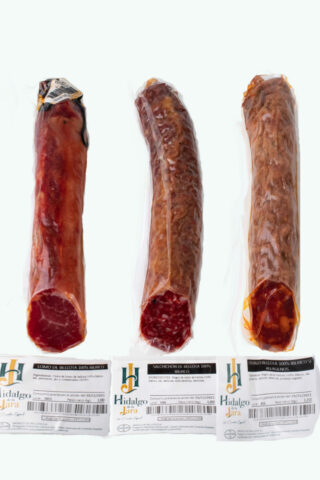
Then check breed and feeding information, seasoning ingredients, weight and storage requirements. Two cured pieces that look similar in a photograph can have very different raw materials and recipes.
Piece size and practical yield
Cured lomo is larger and provides many fairly regular slices. For households that eat charcuterie frequently, that format is practical and serves groups without disappearing too quickly.
Lomito is much smaller. This is useful for moderate consumption because an opened piece can be finished sooner. It also allows you to add a distinctive cut to a tasting board without buying a large quantity.
How to slice them
Both benefit from a sharp knife and thin slices. Slices that are too thick exaggerate fibre resistance and hide the melting effect of fat. Lomo gives broad rounds; small lomito can be cut at a slight angle to increase surface area.
There is no need to chase paper-thin transparency. A good slice should flex, warm rapidly in the mouth and still hold together. If the piece is very cold, allow it to lose some chill before slicing rather than serving the fat rigid.
Which should come first on a tasting board?
If you serve both, starting with lomo and moving to the fattier, more concentrated lomito often makes sense. This is not a formal rule; it simply prevents the richer product from dominating the palate immediately.
Neutral bread and water are enough for a direct comparison. EVOO can be a good accompaniment, but strong sauces or cheeses make it harder to notice the difference between the two cured cuts.
Which should you choose?
- Cured lomo: for larger slices, a firmer texture, a very clear cured-meat character and more total servings from one piece.
- Presa lomito: for a smaller piece with pronounced marbling, juiciness and concentrated flavour.
- Both: for a tasting board that demonstrates how two muscles from the same Iberian pig can produce distinctly different cured meats.
They should not be ranked as first and second quality. With excellent raw material and correct maturation, they are two different expressions of Iberian pork.
Frequently asked questions
Is lomito always made from presa?
Not necessarily across the entire market, because terminology varies. The El Mercado de Origen product discussed here is specifically caña de presa. Always check the ingredient list.
Does lomito contain more fat than lomo?
Presa generally has more intramuscular fat than loin, although the exact amount varies between animals and pieces.
Are these minced sausages?
No. Both cured lomo and presa lomito are whole-muscle cured meats, even though they are placed in a casing or covering during maturation.
Which makes a better gift?
Lomo is a classic larger-format cured cut; lomito is a smaller, more unusual option for someone who already enjoys Iberian charcuterie and wants to explore another muscle.
Browse the Iberian cured meats currently available from producers.
-
Sale!
 Select options
This product has multiple variants. The options may be chosen on the product page
Select options
This product has multiple variants. The options may be chosen on the product page
-
-
-


 Tomates
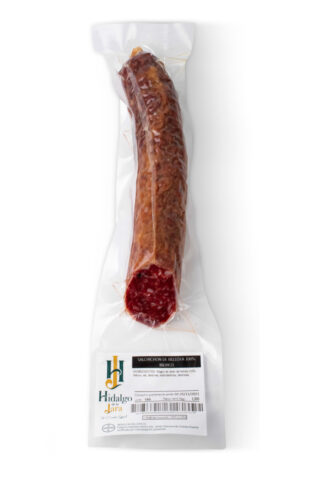
 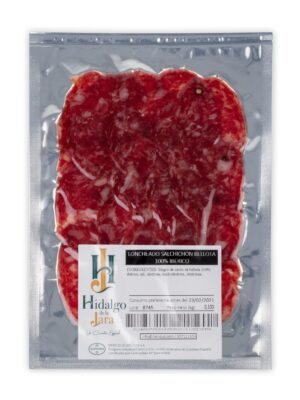 100% Iberian acorn-fed salchichón, 10 × 100g machine-sliced packs