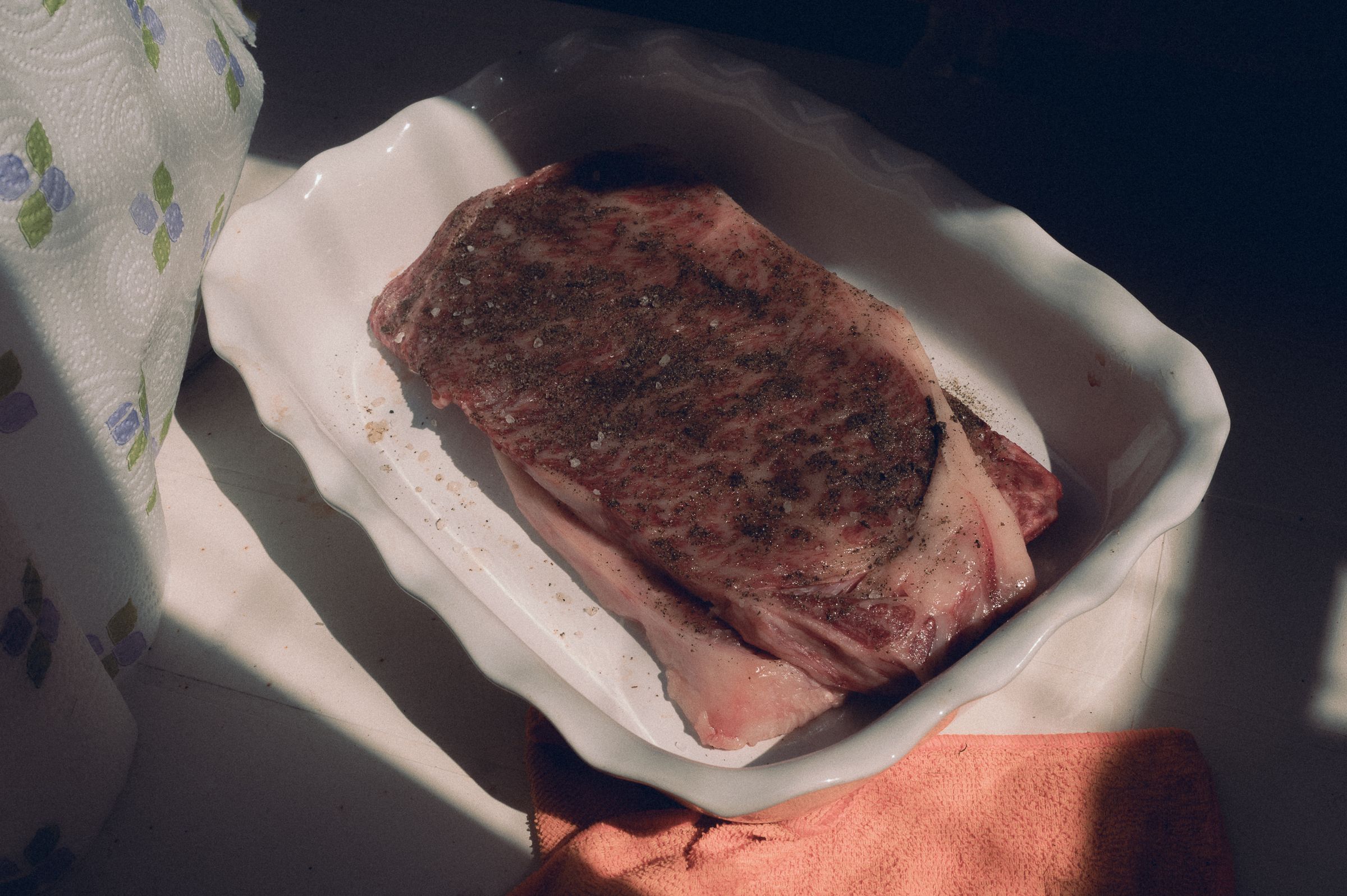
Buying meat online does not end when the parcel arrives. From that moment onward, temperature, time and handling affect both food safety and the final texture of the beef. A good cut can lose quality if it sits out too long, is frozen badly or is rushed through thawing on the kitchen counter.
The core rule is straightforward: maintain the cold chain and avoid leaving the meat surface for long periods at temperatures that favour microbial growth. Refrigerating, freezing and thawing are separate stages, and each has a different purpose.
What to do when a meat order arrives
When chilled beef arrives, first check the packaging and move the meat into the refrigerator promptly. If you will not cook it within the producer’s stated use period, plan to freeze it early rather than waiting until the last possible day. Freezing meat while it is still fresh generally preserves quality better.
Store it in a cold part of the refrigerator and prevent raw juices from contacting ready-to-eat food. If the original packaging is intact and designed for storage, keeping it sealed until use is usually sensible.
Refrigeration: stable cold and separation
Raw meat should be kept apart from cooked food, salads, cut fruit and anything else that will be eaten without further cooking. A tray or lower shelf helps contain any leakage and reduces cross-contamination risk.
Avoid overpacking the fridge to the point that air cannot circulate. The door is also a poor place for raw meat because temperature changes more with every opening. Product labels and the seller’s own storage instructions should take priority over generic rules.
When to freeze
If you know a cut will not be cooked in time, freeze it while it is still in good condition. Divide large packs into realistic meal portions so you do not need to thaw more than you intend to use. Flatter, more even packages also thaw faster and more uniformly later.
Frozen storage is commonly based around -18°C as a reference temperature. Label packages with the product and freezing date so the freezer remains organised rather than becoming a collection of anonymous parcels.
The preferred thawing method: the refrigerator
Spain’s food safety authority AESAN recommends refrigerated thawing as the preferred option. It is slow, but it keeps the food surface in a cold environment throughout the process. Place the meat on a tray to collect liquid and allow enough time: small pieces may be ready the next day, while thick or bone-in cuts can take longer.
The benefit is not only safety. Gradual thawing also brings the temperature up more evenly. Some drip loss is still possible because freezing forms ice crystals and can alter cell structure, especially if the original freezing process was slow or storage was prolonged.
Why the kitchen counter is a poor thawing method
When meat is left at room temperature, the exterior warms long before the centre has thawed. The core may still be frozen while the surface enters a temperature range where microorganisms can multiply much more rapidly.
AESAN therefore advises against room-temperature thawing unless specifically directed by the manufacturer. Hot water is not an appropriate shortcut either.
Microwave thawing: useful, but cook immediately
A microwave can thaw food quickly, but unevenly. Some areas may start heating or cooking while others remain cold. If you use this method, select a defrost setting, turn or rearrange the meat where possible and cook it immediately afterwards.
It is a practical emergency solution, but not the ideal method when you want maximum uniformity in a thick steak that will later be seared or grilled.
Cold water: a controlled alternative
Another recognised method is to place securely wrapped meat in a leakproof bag and immerse it in cold water, changing the water regularly. The package must prevent water from entering. As with microwave thawing, meat thawed quickly should be cooked without delay.
The key word is cold. Warm or hot water heats the surface too aggressively.
Can beef be refrozen?
The answer depends on how it was thawed and on the applicable food-safety guidance. Some authorities allow food thawed correctly in refrigeration to be refrozen, although quality may decline. Spanish guidance is more cautious in many settings and discourages straightforward refreezing unless the food has been transformed or cooked where appropriate. For home cooks, the simplest strategy is to freeze in portions and thaw only what will actually be used.
Once cooked, beef can be frozen again as a prepared food if it is cooled and handled correctly. Always follow any product-specific instructions.
Dry the surface before cooking
After thawing, remove surface moisture with clean kitchen paper rather than washing raw meat under running water. A relatively dry surface browns more effectively in a pan or on a griddle. Excess water cools the surface and delays crust formation.
This is particularly useful for steaks and rib cuts. In stews, where the meat will eventually cook in liquid, the priority is different, although browning beforehand still adds flavour.
Common mistakes that hurt safety or texture
Leaving meat at room temperature for hours, storing raw beef above ready-to-eat food, opening packaging days before necessary, repeatedly refreezing, and cooking a still-frozen thick cut without adjusting the technique are all common errors. Freezing a large block without thinking about future portions is another.
Good organisation solves most of them: portioning, labels, refrigerator thawing planned in advance and a tray to contain liquids. Food safety does not have to be complicated; it needs consistency.
After thawing: choose the right cooking method
Once the beef is ready, match cooking to the cut. Tender cuts favour fast, high-heat methods; connective-tissue-rich cuts usually need time and moisture. Read why some cuts need minutes and others hours and our complete beef cut guide for the next step.
Related beef products
-
Sale!
 Select options
This product has multiple variants. The options may be chosen on the product page
Select options
This product has multiple variants. The options may be chosen on the product page

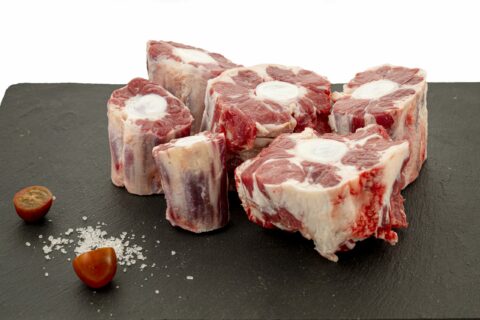
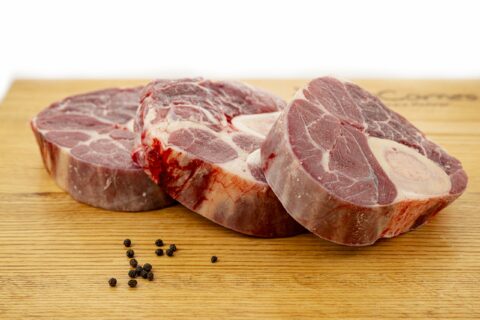
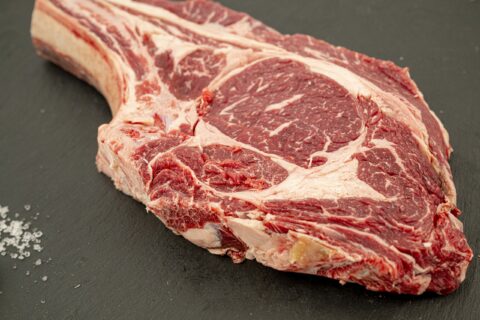
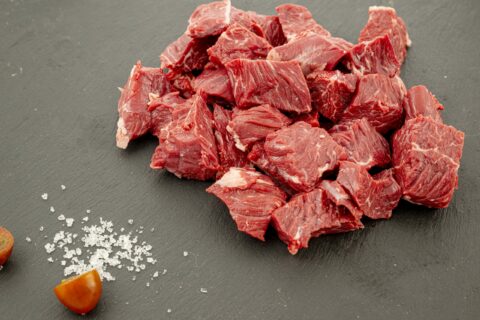
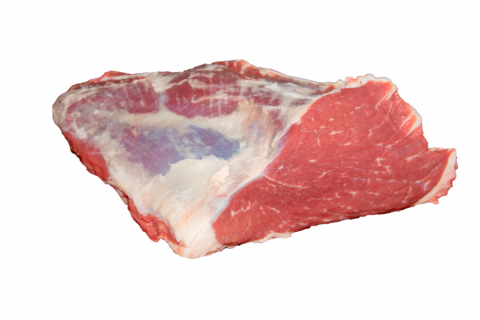

 Beef picanha (rump cap)
 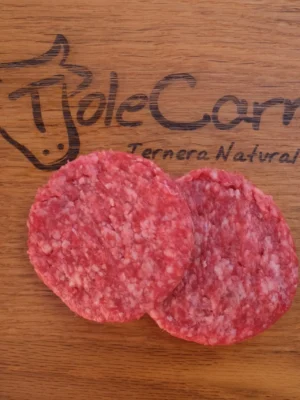 100% beef burgers – gluten-free (2)