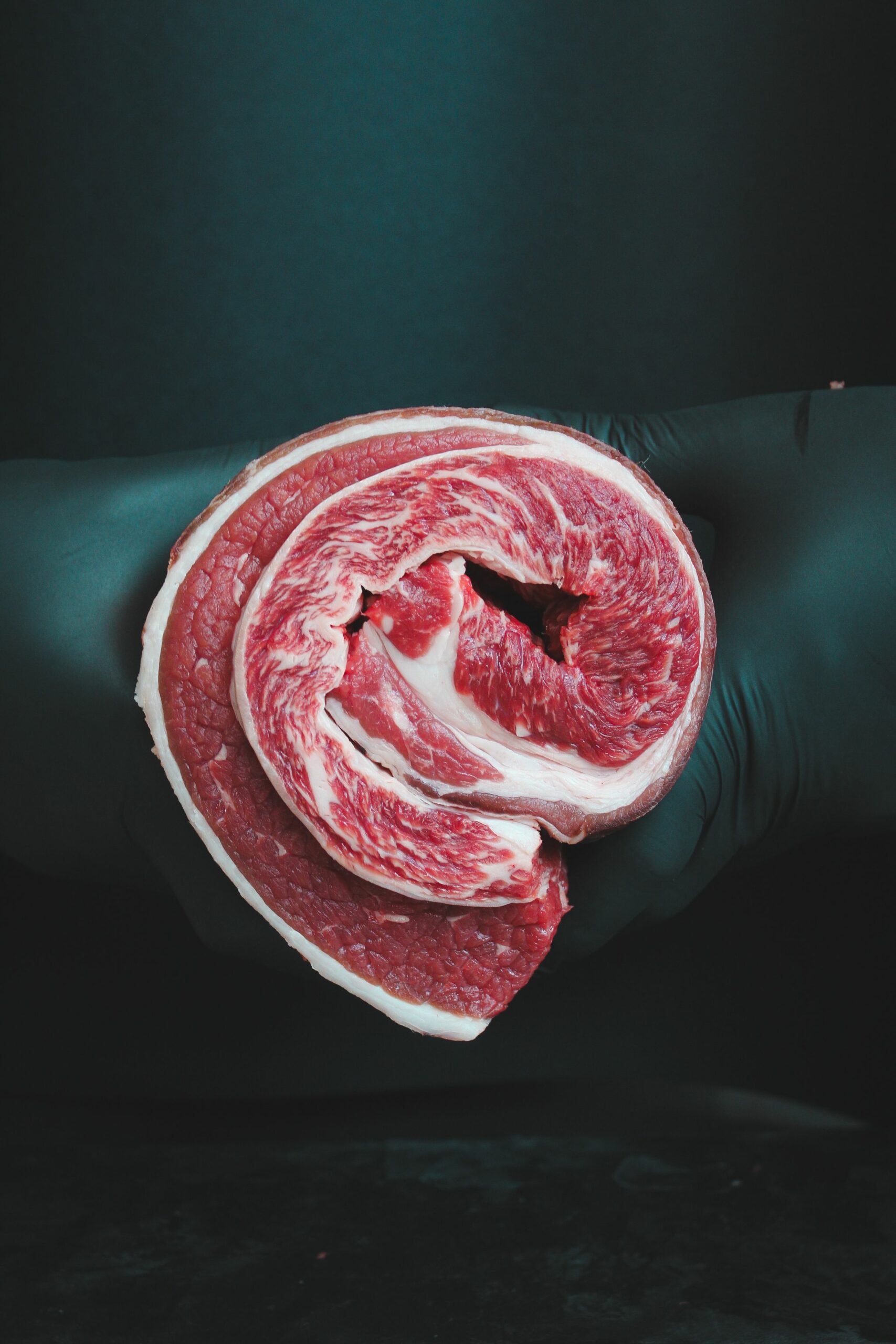
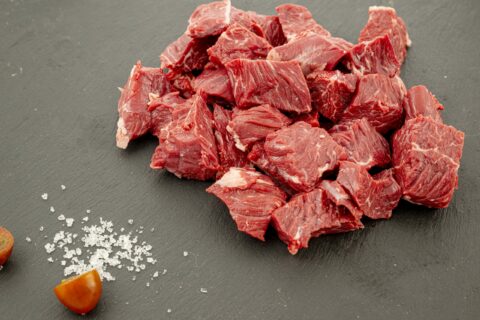
When fresh meat arrives, colour is often the first thing people check: bright red looks reassuring, while darker beef can cause concern. But judging whether fresh meat is in good condition requires more than colour or smell. Date marking, refrigeration, packaging type and package integrity are more important starting points for a perishable food.
There is also a crucial food-safety point: meat can look and smell normal and still be unsafe if its use-by date has passed or storage has been poor. EFSA states that foods carrying a use-by date, including fresh meat, should not be eaten after that date even when appearance and smell seem normal.
1. Start with the use-by date and storage instructions
Before interpreting colour or texture, read the label. A use-by date relates to safety, not just peak quality. Once it has passed, do not use smell as a test to decide whether the meat can still be eaten.
Check the stated storage temperature as well. Fresh meat must remain refrigerated and should go into the fridge promptly after delivery. Our guide to storing fresh meat and deciding when to freeze it explains home storage in more detail.
2. Inspect the package before opening
The package should arrive intact, without tears, accidental openings or obvious leaks. A sealed tray, vacuum bag or other preservation system loses much of its function if the package has been compromised.
Not all packs are meant to look the same. Modified-atmosphere trays can contain a deliberate volume of gas, while vacuum packaging clings closely to the meat. Judge the received pack against the format described by the seller rather than applying one visual rule to every system.
3. Bright red is not proof of freshness
Beef colour depends on muscle pigments such as myoglobin and their interaction with oxygen. Meat exposed to air can become bright red; vacuum-packed beef may look darker or purplish; oxidation can produce brown tones over time.
That means darker beef is not automatically spoiled, and very red beef is not automatically perfect. Packaging, cut and oxygen exposure all change appearance.
4. What happens when vacuum-packed beef is opened?
In a low-oxygen vacuum bag, beef often looks dark. After opening, contact with air can change the surface colour over several minutes. That colour change alone should not be mistaken for spoilage.
A small amount of liquid can also collect in the bag. This purge is mainly water from the muscle mixed with pigments and proteins. Some liquid in a vacuum pack does not automatically mean the product is bad.
5. Smell provides information but cannot prove safety
A clearly unpleasant, putrid or abnormal odour is a reason not to eat the meat and to contact the seller. However, the absence of a bad smell does not prove safety. Some disease-causing microorganisms do not produce an odour that people can detect.
Vacuum-packed meat can have a temporary enclosed-pack smell immediately after opening that reduces with exposure to air. If a strong unpleasant odour persists or appears together with other abnormal signs, do not try to “fix” the meat by washing it or simply cooking it longer.
6. What does texture tell you?
A fresh cut can be slightly moist, but it should not normally have a clearly abnormal slimy or sticky coating. Persistent slime, especially with an unpleasant smell or packaging problem, is a reason for concern.
Texture also varies by cut and fat level. Highly marbled beef does not feel identical to a lean cut. Our beef marbling guide explains normal intramuscular fat.
7. Do brown areas mean the meat is bad?
Not necessarily. Brown colour can result from pigment oxidation and may appear while beef is still within its proper use period. Interpret it together with date, refrigeration, smell, texture and packaging integrity.
If major colour changes occur alongside slime, a persistent unpleasant odour, damaged packaging or doubts about refrigeration, the prudent step is to avoid eating the product and contact the seller.
8. Ground beef needs particular care
Ground beef has far more exposed surface than an intact steak, so refrigeration and date marking are especially important. The inside of a pack can also have a different colour from the outside because oxygen exposure is different.
Read the composition, date and storage instructions rather than relying on one shade of red. See our ground beef guide for more detail.
9. What changes after freezing and thawing?
Thawed beef may release more liquid because freezing changes part of the muscle structure. Colour can also shift slightly. Neither fact proves spoilage by itself.
What matters is how the meat was thawed and how long it has been refrigerated afterwards. Use safe methods such as those in our guide to thawing meat safely.
10. The cold chain matters even when meat looks fine
Meat that has spent too long at unsuitable temperatures may not show an obvious visual warning. If a fresh order arrives and you have serious doubts about temperature, transit time or outer packaging, contact the seller.
Do not taste raw meat to decide whether it is safe. Taste cannot reliably detect all microbiological hazards either.
11. What to check when fresh meat arrives
- Correct product: confirm it matches the order.
- Packaging: it should be intact and match the advertised format.
- Label: check use-by date and storage conditions.
- Refrigeration: store the order promptly as instructed.
- Appearance: interpret colour and purge according to packaging type.
- Smell and texture: a clear abnormality is a reason to stop and ask.
12. Signs that justify not eating it and contacting the seller
No visual checklist can replace food-safety information, but certain situations deserve caution: an opened or torn package, expired use-by date, uncertain refrigeration, clearly unpleasant smell, abnormal slime or several unexpected changes appearing together.
Photograph the package, label and product and contact the seller. Keep the information needed to review the incident.
13. Do not wash raw meat to “clean” it
Rinsing raw meat under the tap does not make it safer and can spread contamination to the sink, worktop and utensils. If you need to remove surface liquid before cooking, pat the meat with kitchen paper, discard it and wash your hands.
Drying does help browning. See why meat releases water in the pan.
14. Plan consumption before the final day
When several packs arrive, organise them by date. Cook those with the shortest remaining time first and freeze suitable products early if you will not use them, following the producer's instructions.
Do not wait until the last moment to decide. Planning reduces waste and removes the temptation to eat food when uncertainty has already developed.
Colour, smell and texture: what they can and cannot tell you
| Sign | Can help indicate | Cannot prove on its own |
|---|---|---|
| Colour | Oxidation, oxygen exposure and packaging changes. | That meat is safe or unsafe. |
| Smell | Obvious spoilage when clearly abnormal. | Absence of harmful microorganisms. |
| Texture | Abnormal slime or surface change. | Complete microbiological safety. |
| Packaging | Tears, leaks or unexpected format. | The full storage history by itself. |
| Date and refrigeration | Essential safety and storage information. | A replacement for hygienic handling during cooking. |
Frequently asked questions
Should brown beef always be thrown away?
No. Brown colour can result from oxidation. Check date, packaging, storage, smell and texture rather than colour alone.
If meat does not smell bad, is it safe?
That is not a guarantee. Lack of bad odour cannot override an expired use-by date or poor storage.
Is liquid in a vacuum bag normal?
Some purge can be normal. Judge the whole situation: date, package integrity, temperature and other signs.
What if the package arrives damaged?
Photograph the condition, keep the label and contact the seller before eating the product.
The best check combines information and observation
Looking and smelling can help detect obvious problems, but fresh-meat safety starts with traceability, date marking, refrigeration and package integrity. Use your senses to notice abnormalities, not to overrule an expired use-by date or uncertain cold chain.
-
Sale!
 Select options
This product has multiple variants. The options may be chosen on the product page
Select options
This product has multiple variants. The options may be chosen on the product page



Food-safety sources: EFSA, food date labelling and EFSA, proper food handling.

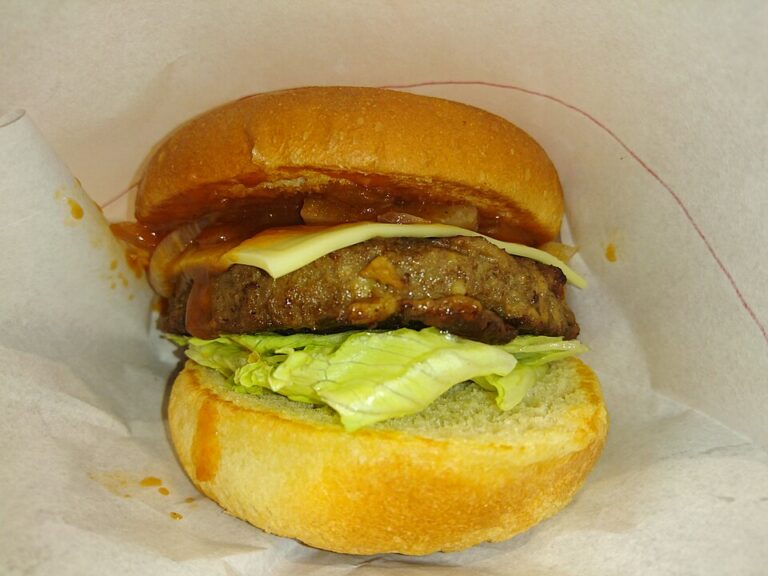

 100% mature beef burgers – gluten-free (2)