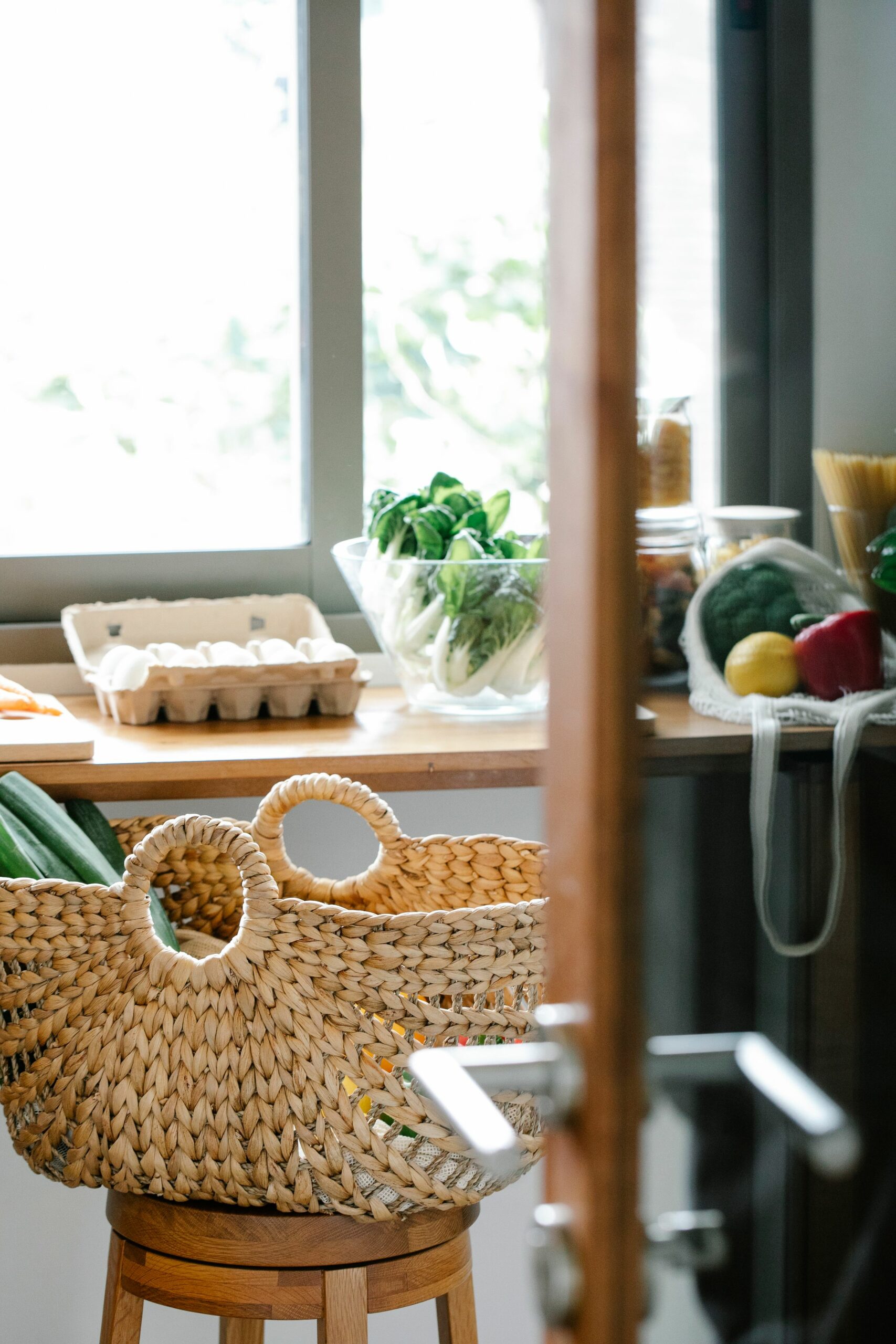
A good weekly vegetable shop does not start with “what do I feel like buying?” but with “what can I realistically use in good condition, and in what order?” Household waste often comes from a poor mix of produce: too many delicate vegetables for the first few days, forgotten items already in the fridge and meals planned around emergencies rather than a sensible sequence.
The answer is not simply to buy less. It is to combine produce with different storage rhythms. A balanced basket can include delicate leaves for the first days, medium-life vegetables for the middle of the week and roots, onions, potatoes or other robust produce for later.
Start with what you already have
Before ordering, open the fridge and inspect the vegetable drawer. Check the pantry and freezer too. Two minutes can prevent buying three courgettes when two are already waiting, or another bag of onions because the previous one was out of sight.
Identify what needs using first. A ripe pepper, half an onion and tomatoes at their peak can become the base for a sauce, sofrito or tray of roasted vegetables, and the new shop can then complement that plan.
Divide the basket into three speeds
A practical method is to think in terms of short, medium and longer storage life. Exact day counts are not necessary; priority is what matters.
Tender leaves, herbs, very ripe produce and some delicate vegetables belong near the front of the queue. Courgettes, aubergines, peppers and tomatoes may sit in the middle depending on ripeness. Potatoes, onions, garlic, whole squash and certain roots often form the more robust group when stored correctly.
Shop around base preparations, not isolated recipes
Planning seven completely unrelated dishes makes shopping complicated. It is usually easier to choose two or three flexible preparations. A tray of roasted vegetables can accompany beef one day, become soup the next and finish in an omelette or pulse dish.
A base of onion, pepper and tomato can start a stew, become a sauce or work as a side. Versatile components reduce the number of ingredients left without a purpose.
Set the eating order on delivery day
When the order arrives, do not put everything away without looking. Check ripeness. Two tomatoes of the same variety may need different schedules. A firm aubergine may wait longer than one that is already very ripe.
The weekly plan should respond to the real produce. If something needs using earlier than expected, change the recipe order. Useful planning is flexible, not rigid.
Not everything belongs in the refrigerator
Putting every vegetable into cold storage can harm the texture or flavour of some products. Potatoes, onions and garlic generally need a cool, dry, dark and ventilated place. Tomatoes may benefit from room temperature while they finish ripening, depending on their condition.
Our vegetable storage guide explains the principles of temperature, humidity and ventilation in more detail.
Wash before or after storing?
Washing everything immediately can feel organised, but extra moisture may accelerate deterioration in some produce. Unless there is a specific reason to pre-wash, cleaning shortly before use is often simpler.
If you wash and prepare leaves in advance, dry them thoroughly. Wet leaves sealed in a container create conditions that can shorten their useful life.
Use the most delicate parts first
One vegetable can contain parts with different keeping qualities. Leaves may deteriorate before stems or roots. Separating components where appropriate lets you use the fragile parts first and reserve the tougher ones.
The same principle applies in cooking: sound outer leaves, tender stems, green tops or clean trimmings can sometimes go into stocks, soups, sautés or sauces. Using more of the vegetable does not mean eating spoiled parts; it means recognising edible parts that habit makes us discard.
The freezer is a rescue tool, not a graveyard
If you realise midweek that something will not be used in time, freezing can be smart, but vegetables respond differently. Some benefit from blanching; others lose crisp texture and work better later in soups, sauces or stews.
Our vegetable freezing guide explains how ice crystals affect texture and how to plan the final use.
Build a basket that can change plans
Useful weekly shopping includes ingredients that cross between dishes. Onion, tomato, pepper, courgette and aubergine can appear in Mediterranean dishes, stews, rice, omelettes, pasta and side dishes. That flexibility helps when plans change.
Combine specialist ingredients with versatile ones. If a vegetable was intended for only one recipe and that meal is cancelled, it should still have a second possible use.
An example weekly sequence
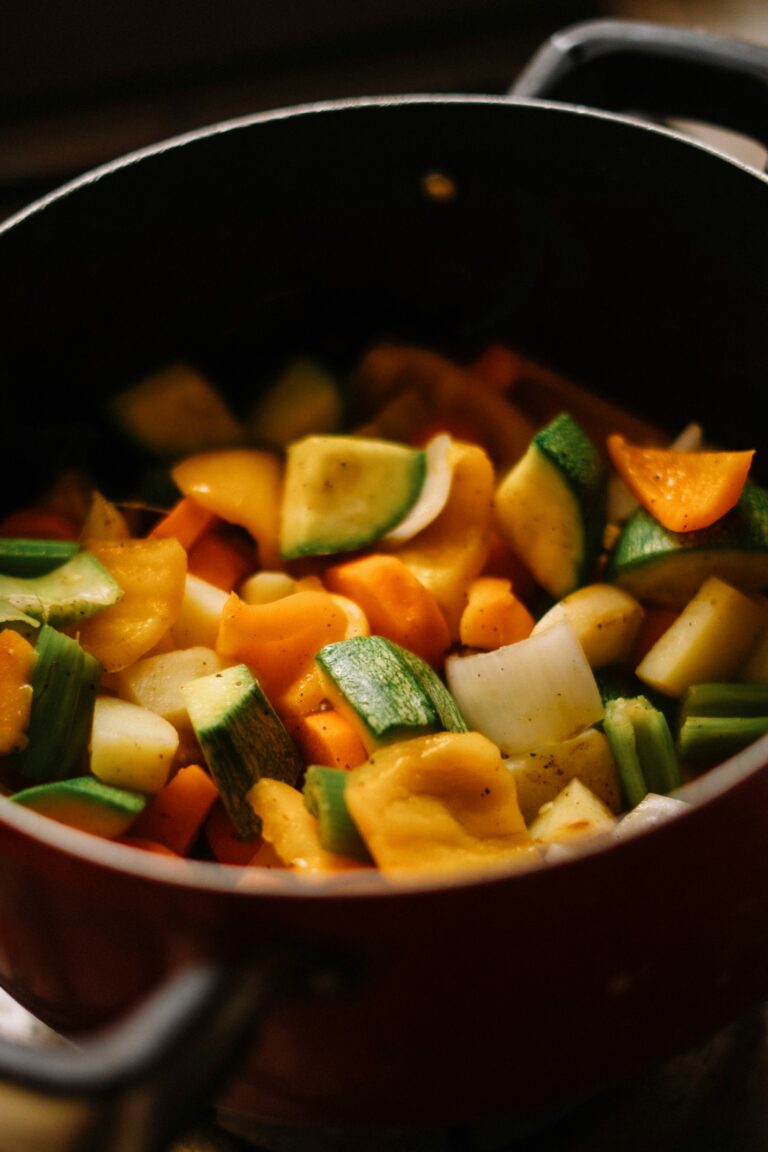
Imagine a basket with leaves, ripe tomatoes, peppers, aubergine, courgette, onions and potatoes. Use leaves and very ripe produce first. Roast peppers, aubergine and courgette next. Leftover roasted vegetables can become a side, soup or filling. Onions and potatoes remain as pantry foundations for later meals.
The point is not to copy the menu but to understand the pattern: delicate first, medium next, robust later, while cooked preparations create new options.
Seasonal buying can make planning easier
Seasonal availability often helps create a basket that makes sense for the time of year. Exact seasons vary with region, crop and weather, so calendars are guides rather than guarantees. The producer's real current availability is what matters.
Our seasonal vegetable guide gives an overview, while the shop reflects current catalogue availability.
The best shop ends up on plates, not in the bin
Planning vegetables does not mean cooking seven days in advance. It means buying with priority, storage and reuse in mind. A basket with different storage rhythms lets you eat fresh produce across the week without the pressure to use everything immediately.
Reviewing what you own, shopping around flexible preparations, prioritising fragile produce and using the freezer before it is too late are simple habits with a large effect.
Related vegetables
- EMDO Selection

 Canela Beans
  White Kidney Beans