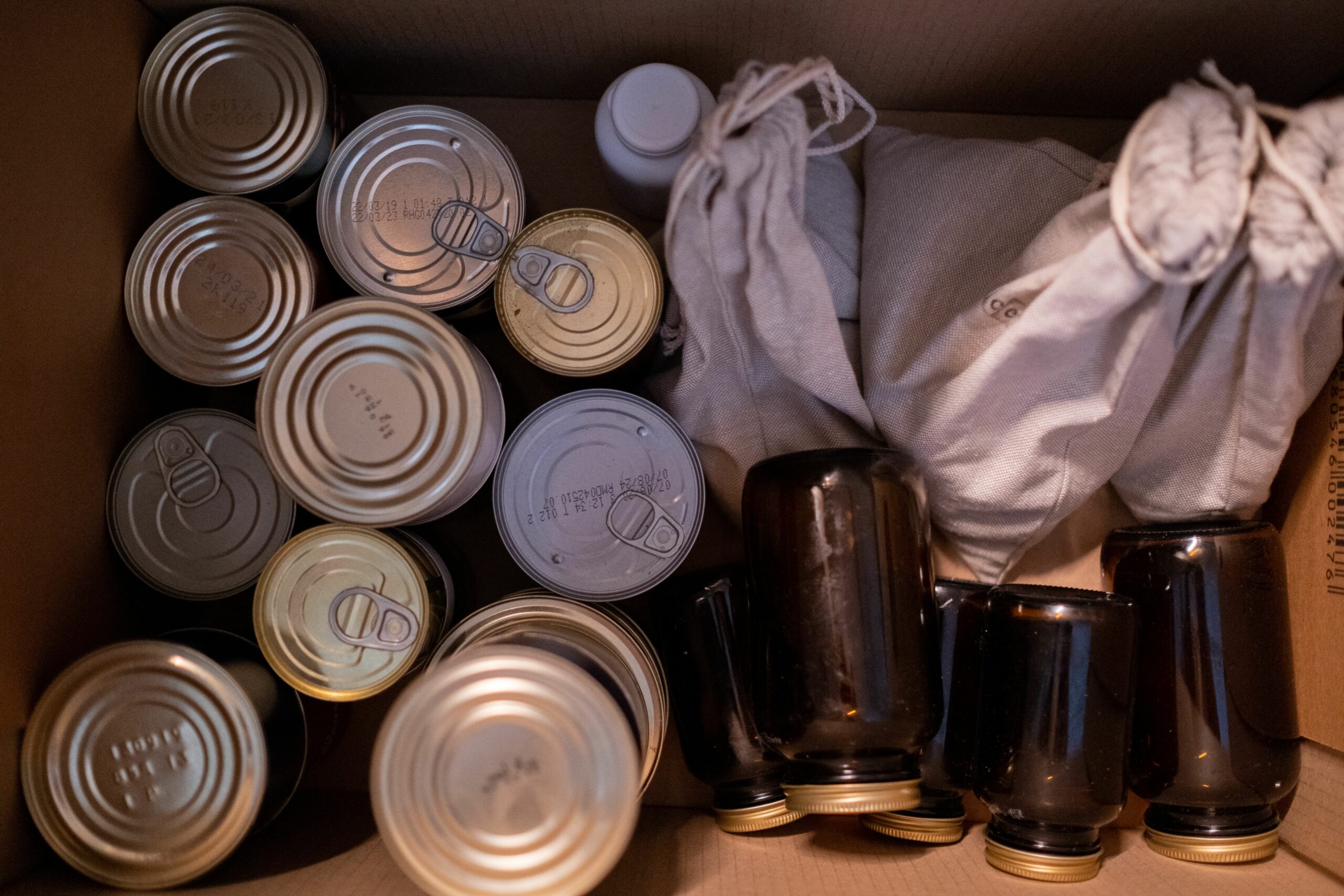
When two similar preserves are offered in different packaging, it is easy to treat the container as a direct quality signal. Glass can look more premium because you can see the food, while a can can seem more industrial. From a preservation perspective, however, both can hold safe, high-quality food when the product, heat process and closure are properly designed.
What genuinely changes is the physical behaviour of the package: transparency or opacity, weight, impact resistance, opening method, ability to reclose and the way shoppers inspect the food. Those differences matter, but they do not prove that one preserve is better simply because it is in glass or metal.
Related guides: how long opened canned food keeps in the fridgehow long canned foods last and signs of spoilagewhen colour changes in canned vegetables are normalshop preserves
The main job of the container: keep the system closed
A commercial shelf-stable preserve depends on an adequate heat treatment and a closure that prevents later recontamination. The package does not preserve food by itself. It belongs to a system in which formulation, processing, headspace and closure are designed together.
Both cans and jars can create highly effective barriers to microorganisms and gases when intact. The differences lie in how they are sealed and how each material responds to transport, light and household use.
Glass lets you see the food
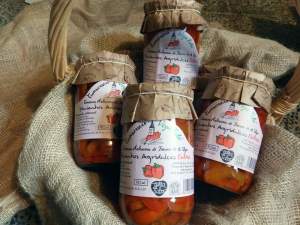
The most obvious advantage of a jar is visual. You can inspect colour, size and arrangement of peppers, asparagus, artichokes or pulses before purchase. Transparency can help you judge uniformity and presentation.
Seeing the product is not the same as knowing its complete quality. Flavour, actual texture, raw-material origin and formulation still depend on the producer. Prolonged exposure to strong light can also affect sensitive pigments and compounds, so jars are best stored away from intense light even when they are shelf stable.
Cans block light completely
Metal is opaque. That gives the food complete protection from light during distribution and storage, which can be useful for light-sensitive pigments and compounds.
The trade-off is that the buyer cannot inspect the contents before opening. Trust in the producer, label information and the external condition of the package therefore become especially important.
Weight and impact resistance
Glass is heavier and can break if dropped. That affects transport and household handling. A can is normally lighter and resistant to breakage, although it can dent. Not all dents are equivalent: a shallow cosmetic mark away from seams is different from major damage affecting a closure or causing leakage.
At home, jars have a useful practical feature: they can often be closed again after opening. This does not restore commercial sterility or allow the food to return to room-temperature storage, but it makes refrigerated storage convenient when the producer's instructions are followed.
Does food touch bare metal?
Food cans commonly use internal coatings designed to separate the food from the metal and withstand the intended formulation. The exact coating varies by manufacturer, product and regulation. It is therefore inaccurate to describe every canned food as simply sitting against bare sheet metal.
Compatibility is especially important for acidic products and is considered during package design. Consumers do not need to choose glass solely from a general fear that an intact commercial can will automatically give food a metallic taste.
Is glass completely inert?
Glass has high chemical resistance and is widely used because it interacts very little with food. The package nevertheless also includes a lid, seal and often coatings that form part of the closure. Again, the whole system matters more than a single material name.
For consumers, the major strengths of glass are this stability combined with transparency and the convenience of reclosing the container after opening.
Does the heat treatment change?
It can. Glass and metal transfer heat differently, and packages may also differ in dimensions, thickness and shape. Manufacturers validate a process for the specific container. You should not assume that the same food receives exactly the same heating curve in a can and a jar.
That does not mean one format is necessarily “more cooked”. Industrial processing aims to achieve the required safety and stability conditions while limiting unnecessary damage to texture, colour and flavour.
Texture and flavour depend on much more than the container
If two preserves taste different, packaging material is rarely the only explanation. Variety, maturity, size, time between harvest and processing, packing liquid, salt, acidity and heat treatment can all matter.
An excellent canned product can have better texture than a mediocre jarred one, and vice versa. For a meaningful comparison, look at ingredients, drained weight, origin, producer and culinary use rather than only the package.
Which stores better after opening?
Once opened, neither format retains the conditions of a sealed preserve. Air enters and microorganisms can be introduced by utensils and handling. Follow the manufacturer's refrigeration and use-after-opening instructions.
A jar is convenient because food can often remain in the original container with the lid replaced. With a can, transferring leftovers to a clean covered food container is often practical. In both cases, keeping pieces covered by their packing liquid can help limit drying and texture changes when appropriate for that product.
How to recognise a package you should not use
Container condition matters more than a general preference for glass or metal. Do not use a preserve with leakage, an obviously failed closure, a bulging lid or can, severe corrosion, cracked glass or major deformation affecting seams. If opening produces clearly abnormal pressure, unpleasant odour or obvious spoilage, discard it.
A commercial preserve is designed to remain hermetically sealed. If that seal is in doubt, tasting the product is not a sensible way to test it.
Which is better for the pantry?
Both work well. Cans are often practical when light weight, stacking, impact resistance and protection from light matter. Glass is useful when you want to inspect the product, reclose the container and serve from a visually neutral package.
The producer's best-before date and stated storage conditions matter more than a broad rule claiming that glass always lasts longer or cans always preserve better.
What about environmental impact?
There is no universal answer based only on material. Impact depends on transport weight, recycled content, manufacturing efficiency, logistics, actual recycling rates and reuse. Glass and metal are both recyclable, but their production and transport profiles differ.
Claims that one is always more sustainable without examining the full system are therefore oversimplified. Reducing food waste and recycling the package correctly are more dependable household actions.
How to choose between a jar and a can
- Choose primarily by the food and producer, not the package alone.
- If visual inspection before purchase matters, glass offers that advantage.
- If low weight and transport resistance matter, cans may be more practical.
- Compare ingredients and drained weight.
- Always inspect the integrity of lids, seams and containers.
- After opening, refrigerate as instructed regardless of format.
The key idea
Glass jars and cans are different technical solutions to the same objective: protecting a processed food behind a hermetic closure. Glass offers transparency and easy reclosing; cans offer opacity, light weight and impact resistance. None of those features alone proves that the food is superior.
Who made the preserve, the raw material, formulation and actual amount of food generally tell you more about value and quality. Packaging matters, but it does not replace that information.



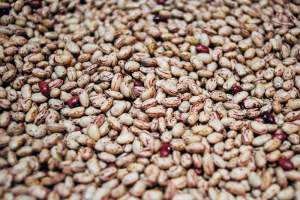 Pinto Beans
  Pedrosillano Chickpeas
  Canela Beans