“Do not add salt until the end because it makes beans tough” is one of the most persistent rules in home cooking. It is memorable, but it oversimplifies what happens inside chickpeas, lentils and beans while they cook.
Ordinary salt does not automatically turn properly hydrated pulses into hard pellets. Sodium can interact with cell-wall structures in ways that are compatible with softening. In practice, the final texture is often affected more by the age and storage of the dried pulse, soaking, water chemistry, cooking temperature, time and acidic ingredients than by a sensible amount of salt added early.
Quick answer: when should you add salt?
For most home recipes you can salt the cooking water from the beginning, or use lightly salted soaking water and adjust the seasoning near the end. You do not need to wait until chickpeas, lentils or beans are completely tender because of a fear that salt will stop them softening.
If the recipe also contains salty ingredients such as cured meat, concentrated stock or other heavily seasoned foods, begin cautiously and correct the seasoning later. That is about controlling the final salt level, not preventing toughness.
Why did the myth become so common?
Pulses can take far longer than expected for several different reasons. An old batch, mineral-rich water, gentle cooking or tomato and vinegar added early could all coincide with salting the pot. It was easy to blame the most obvious ingredient.
Research on cooked beans shows that sodium salt solutions do not necessarily slow softening and can promote it under some conditions. That does not mean more salt is always better. It simply means that the absolute rule “salt prevents beans from cooking” is not a good description of the process.
Acid matters more
If pulses remain firm while tomato, wine, vinegar, lemon or another acidic ingredient has been in the pot from the start, acidity deserves attention. An acidic cooking environment can help cell-wall structures remain firm for longer.
When a very tender texture is the priority, a reliable approach is to cook the pulses first and add strongly acidic ingredients once they are already close to tender. Traditional recipes may add tomato earlier for flavour, but the cook should then accept that softening may take longer.
Your water matters too
Cooking water differs from one home to another. Calcium and magnesium can affect cell-wall firmness, which is one reason identical recipes produce different cooking times in different areas.
This helps explain contradictory traditional advice. A recipe that reaches perfect texture in one kitchen may need substantially longer elsewhere even when the cook follows the same timing.
Can salt go into soaking water?
Yes. Lightly salted soaking water is a valid technique, particularly for beans and chickpeas. Salt does not prevent the dried seed from hydrating. What matters is using enough water, soaking for an appropriate period and cooking thoroughly afterwards.
If digestive tolerance is your priority, you may prefer to drain the soaking liquid and start with fresh water. Our guide to discarding pulse soaking water explains the trade-offs.
Chickpeas
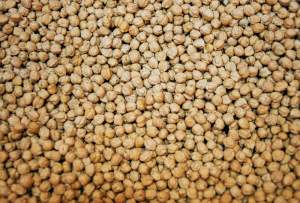
Chickpeas need good hydration and enough cooking time. With dried chickpeas, soaking is generally far more important than delaying salt. You can season the cooking water from the start and taste again near the end.
See our guides to hot or cold water for chickpeas and chickpea soaking and cooking times.
Lentils
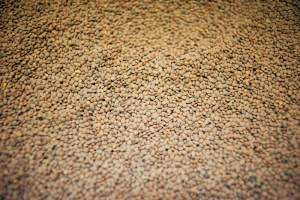
Many lentils are small enough to hydrate quickly and may not require a long soak. Salting early helps season the cooking liquid and the pulse together. If cured sausage or salty stock is part of the recipe, start lightly and finish to taste.
Variety matters too. Small lentils and larger varieties do not cook at exactly the same rate, so texture should be checked by tasting rather than by relying only on a timer.
Beans
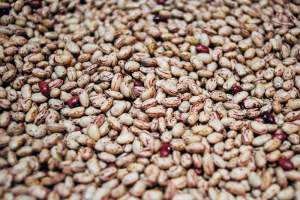
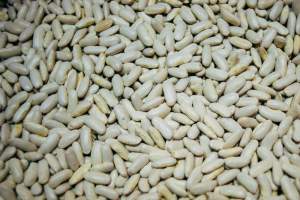
With beans, cooks often worry about firm skins and soft interiors. Moderate salinity is not the main enemy. Uneven hydration, old beans, very hard boiling, mineral-rich water and a strongly acidic environment are more useful variables to investigate.
Keep the cooking steady and test several beans because pieces from the same batch do not always become tender at exactly the same moment.
How much salt?
There is no universal amount for every pot. It depends on the volume of water, whether the cooking liquid will be served, how much the dish will reduce and what other salty ingredients are present. A practical method is to season moderately at the beginning and make the final adjustment once the pulses are tender.
What about baking soda?
Baking soda is a different tool from table salt. It raises pH and can accelerate softening significantly. Too much can therefore produce broken skins, overly soft interiors and an alkaline flavour.
It should be treated as a separate technique, not as evidence that ordinary salt must be withheld until the end.
Five things to check before blaming salt
- Age of the dried pulses: old beans can develop hard-to-cook characteristics.
- Insufficient soaking: especially relevant for chickpeas and many beans.
- Hard water: mineral composition can influence firmness.
- Acidic ingredients: they can delay softening.
- Time and temperature: a pot held at too gentle a temperature needs longer.
A simple method at home
Soak when the pulse needs it, drain if that suits your recipe, cover with fresh water and add a moderate first amount of salt. Cook until the interior reaches the desired creamy or tender texture. If you want to minimise delays, add strong acids once the pulse is well on its way, then correct the seasoning before serving.
This avoids both extremes: cooking an entirely unseasoned pot because of an old myth and adding so much salt initially that later reduction makes the dish excessive.
Bottom line
You do not have to wait until the end to salt chickpeas, lentils or beans. A sensible amount of salt at the beginning, or even during soaking, is compatible with tender pulses. If they refuse to soften, investigate age, water, soaking, temperature and acidity first. Texture and final seasoning are related cooking decisions, but they are not the same problem.