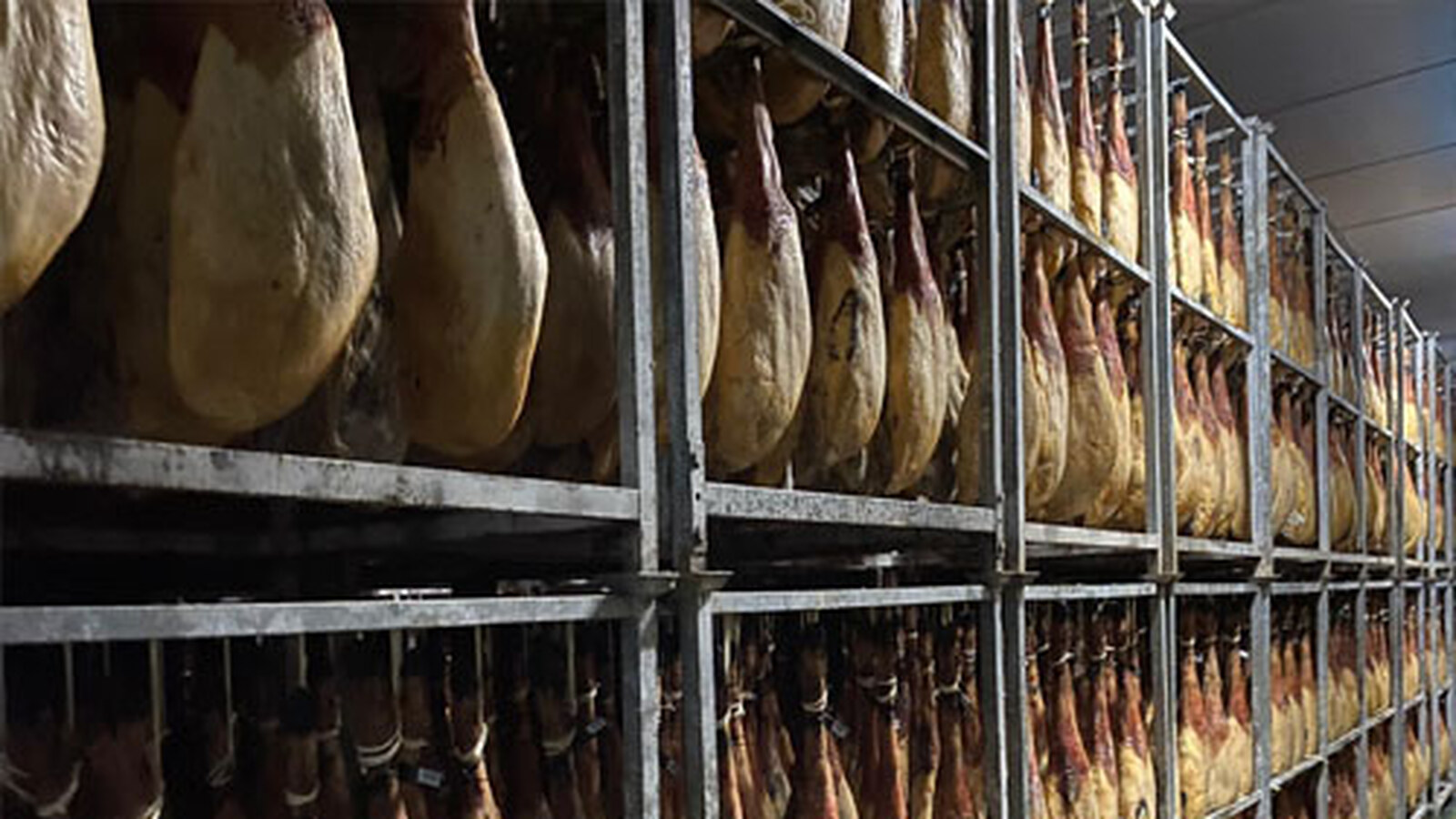
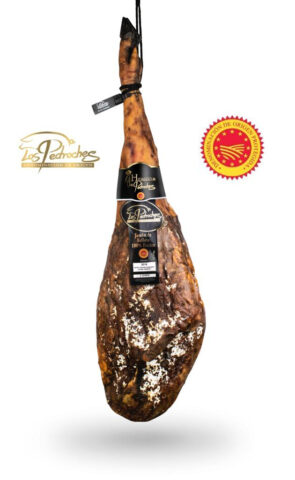
Buying a whole ham or shoulder gives the product one clear advantage: the leg keeps its natural external protection until carving begins. That does not mean it can be stored anywhere. Before opening, the environment affects the fat, surface and texture, especially if the ham will remain untouched for days or weeks.
The basic principle is simple: a cured leg needs a stable, cool, dry and ventilated place, protected from strong light and heat. A home does not need to reproduce a professional curing cellar, but avoiding extremes makes a real difference.
Always start with the producer's instructions
General advice is useful, but the specific product comes first. The producer knows the curing style, packaging, dispatch conditions and intended storage. If the label or product page gives explicit instructions, follow them.
It is also important to distinguish a breathable cloth cover from temporary shipping wrapping or vacuum packaging. Not every material around the ham is designed to remain there for weeks.
Choose a cool, stable place away from kitchen heat
A ventilated pantry, cool room or shaded interior area is generally better than a position beside the oven. The aim is not to chase one perfect domestic temperature, but to avoid sustained heat and large fluctuations. High temperatures soften fat and accelerate oxidation, while repeated changes can encourage surface condensation.
Radiators, ovens, hobs, sunny windows and very humid rooms are poor choices. A warm, tightly closed cupboard with almost no air movement is not ideal either.
Should a whole cured ham go in the refrigerator?
Under normal domestic conditions, a whole cured ham is not handled like fresh meat. Household refrigeration is generally unnecessary for a leg intended to be kept hanging or in a cool room, unless the producer specifically requires refrigeration because of its presentation or packaging.
Do not transfer fresh-meat rules automatically to cured ham. Once the product is sliced or opened, storage needs change. See our guide on storing sliced Iberian ham packs.
What to do with shipping covers and wrapping
A breathable cloth cover can protect against dust and contact without sealing the product. Plastic or other material intended only for transport should not necessarily remain around the ham indefinitely if it traps moisture. When in doubt, follow the seller's instructions.
The surface should remain dry and stable. Trapping moisture for long periods can be counterproductive, but leaving the ham exposed to dust, smoke or kitchen splashes is not sensible either.
After delivery: allow the leg to settle
A shipment may pass through different temperatures. On arrival, inspect the packaging, check for damage and place the ham where it will be stored. If it feels unusually cold or warm compared with the room, allow it to settle before carving.
No complicated ritual is required. Simply avoid opening the ham immediately beside a heat source or subjecting it to another abrupt temperature change.
External fat can change appearance
Fat on a cured product can look glossy, yellowish or softer depending on temperature. Not every visual change indicates a problem. Certain surface changes can also occur naturally during maturation. Assess the whole picture and, if there is an abnormal smell, major alteration or genuine concern, contact the producer before eating the product.
Do not wash or treat the surface with household products. Any intervention should follow reliable guidance from the maker.
Hanging or horizontal?
If you have a suitable place, hanging the leg by the hoof is a traditional storage method and allows air around it. That is not always practical at home. A ham can also be kept securely supported, without heavy objects on top and away from damp surfaces.
The priorities are air circulation, stability and protection from strong odours. A cupboard containing cleaning chemicals, for example, is not a good place for aromatic food.
How long should you wait before starting it?
A cured leg is made to be eaten, not to continue ageing indefinitely in a domestic room. If you are buying for a future celebration, time the order according to the producer's advice rather than storing the ham unnecessarily for months. A household environment rarely offers the control of a curing cellar.
Think about consumption rate before buying as well. A shoulder is smaller and can suit fewer diners, while a ham provides a larger yield. Our ham versus shoulder guide explains the differences.
When you are ready to start carving
Place the leg in a stable ham stand with enough room to work safely. Choose the orientation according to consumption speed and trim only the area you are about to carve. Removing all rind and external fat at once exposes meat that may not be reached for days.
For rapid consumption, starting on the maza is common. For slower use, the babilla can make sense. See how to start a ham: hoof up or down for the full reasoning.
Common storage mistakes before opening
Typical mistakes include placing the leg near heat, leaving it for weeks in non-breathable shipping plastic, exposing it to direct sunlight, storing it in a humid space or buying far earlier than necessary. Another mistake is treating every visual change as spoilage and applying aggressive home remedies.
Good storage is much less dramatic: stability, cleanliness, ventilation and respect for the instructions that accompany the specific ham.
Related hams and shoulders
-
EMDO Selection SaleSale!
 Select options
This product has multiple variants. The options may be chosen on the product page
Select options
This product has multiple variants. The options may be chosen on the product page
-
EMDO Selection SaleSale!Select options
This product has multiple variants. The options may be chosen on the product page
-
EMDO Selection SaleSale!Select options
This product has multiple variants. The options may be chosen on the product page
-
EMDO Selection SaleSale!Select options
This product has multiple variants. The options may be chosen on the product page
-
Last units availableSaleSale!Select options
This product has multiple variants. The options may be chosen on the product page
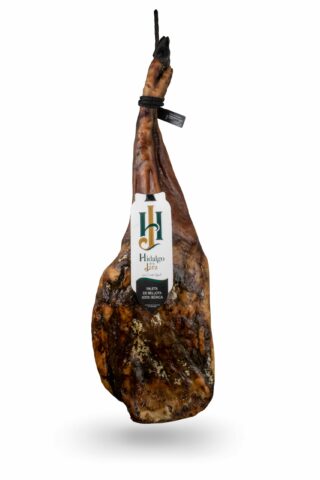

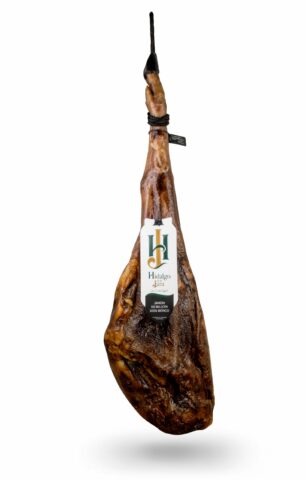
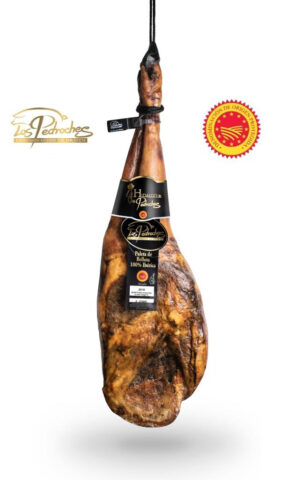
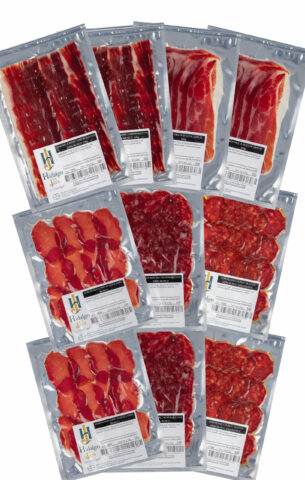
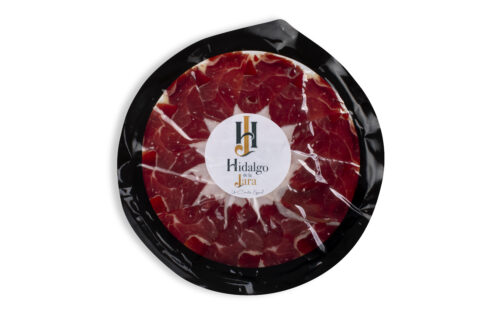
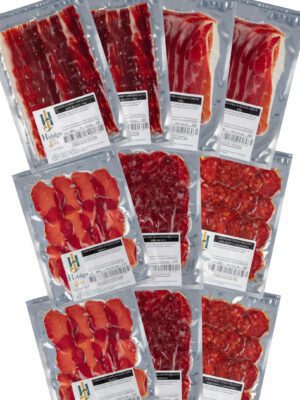 Tasting pack of 100% Iberian acorn (2x ham, 2x shoulder ham, 2x cured loin, 2x salchichón, 2x chorizo)