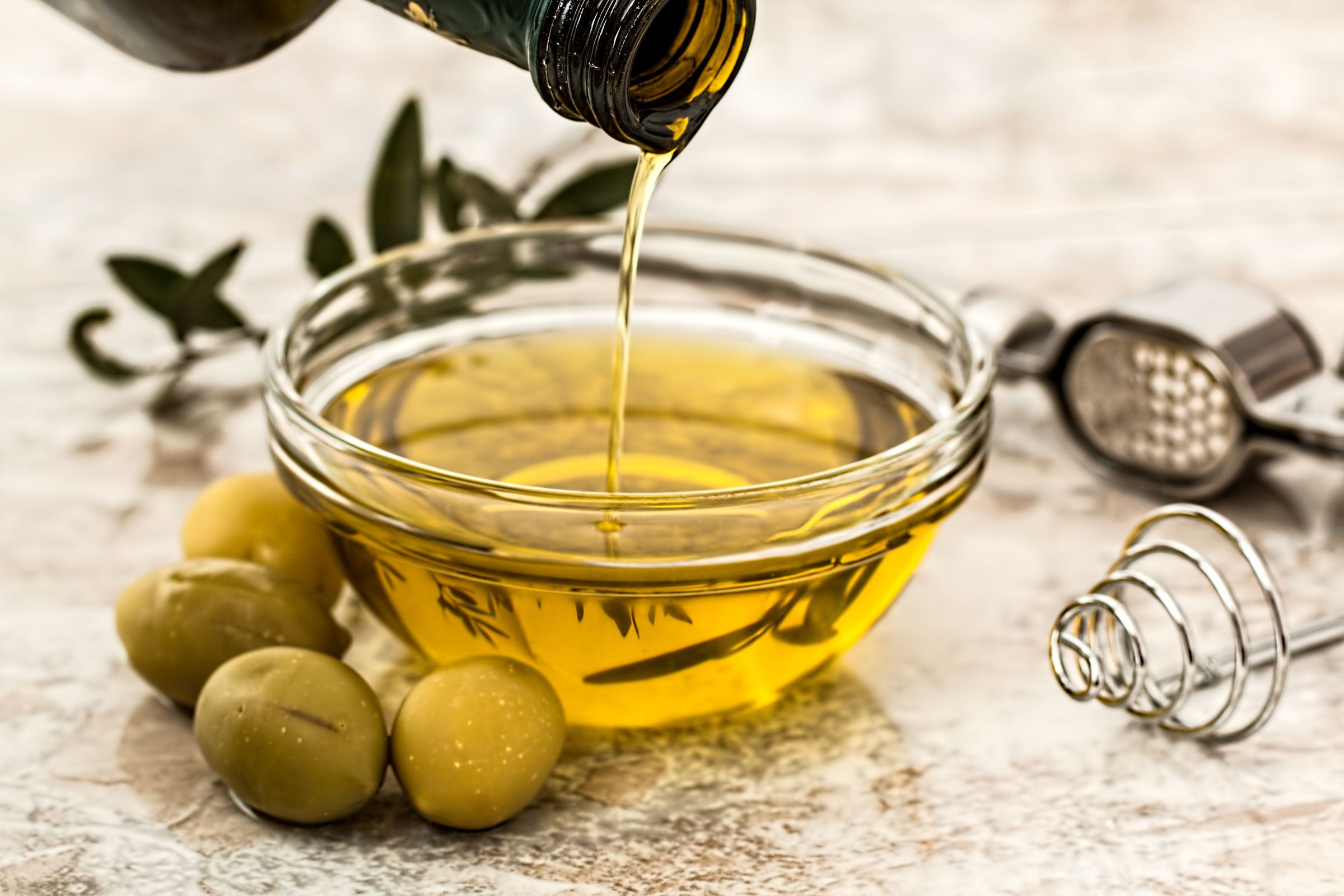
A high-quality extra virgin olive oil can lose freshness long before the date printed on the package if it is stored poorly. The problem is usually a combination of light, oxygen, excessive heat and time. Together they encourage oxidation, gradually reducing fresh aromas and eventually producing dull or rancid notes.
Good storage is therefore not a single trick. It is the consistent reduction of those factors from the moment the oil arrives at home until the container is finished.
EVOO does not improve with age
Unlike foods and drinks that can develop positively over many years, olive oil is best appreciated fresh. Even well-made extra virgin olive oil gradually loses aromatic intensity and stability. Oxidation cannot be stopped completely; good storage aims to slow it down.
UC Davis notes that all olive oils eventually become rancid through oxidation and that opening a container increases exposure to oxygen. The International Olive Council likewise recommends protecting oil from excessive heat, air, humidity and especially light.
Light is the easiest enemy to control
Light accelerates reactions that damage oil. Opaque packaging, tins and dark glass therefore offer more protection than a clear bottle sitting for weeks on a sunny worktop.
The domestic solution is simple: keep oil in a closed cupboard or another place away from direct light. A decorative bottle by the window may look attractive but is poor storage.
UC Davis reviews show that dark or opaque packaging reduces the light exposure that speeds oxidation. Packaging does not automatically make the oil better, but it affects how well that oil is protected.
Temperature should be moderate and stable
Heat accelerates chemical reactions, so avoid storing EVOO next to an oven, hob, dishwasher or radiator. Constant refrigeration is not normally required for everyday use either.
For professional storage, UC Davis cites approximately 15–18°C as a useful range. A home may not stay within those exact numbers, and it is unnecessary to obsess over them. Choose the coolest stable place available away from heat sources.
Should olive oil go in the refrigerator?
Usually not for normal daily use. At low temperatures olive oil can become cloudy or form reversible crystals, which may look alarming even though it does not by itself indicate spoilage. A cool, dark cupboard is generally more practical.
Cold storage has specialist applications, but it does not replace the basics: protection from light, heat and oxygen.
Every opening introduces more air
Each time a container is opened, fresh air enters. As the oil level falls, the amount of headspace inside increases. That is one reason why buying the largest possible format is not automatically the best choice if it will take many months to finish.
The smart size is the one that matches real consumption. UC Davis recommends buying a container that can be consumed within weeks or a few months after opening when maximum freshness is the goal.
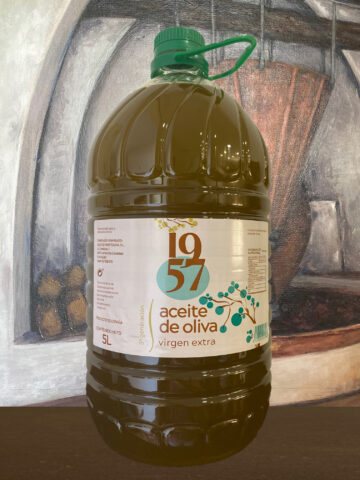
What to do with a five-litre container
Large formats make excellent sense in households that use EVOO every day. A practical approach is to keep the main container tightly closed in a cool, dark place and decant a smaller amount into a daily-use bottle.
The small bottle can be opened frequently while the main container remains protected. Use a clean, completely dry container, ideally opaque or dark glass. Do not pour fresh oil into a bottle that still carries old oxidised residues.
For more detail on buying larger formats, see Five-litre EVOO: when a large format makes sense and how to store it.
Dark glass, tin, PET or bag-in-box
Every package has strengths and limitations. Dark glass protects from light and is non-permeable, although headspace grows as the bottle empties. Tin blocks light completely. Dark PET also reduces light exposure but has different permeability to gases and moisture.
Bag-in-box systems have a useful feature: the inner bag collapses as oil is dispensed, limiting air intake. Research reviewed by UC Davis has found good preservation performance with this format.
Whatever the package, home storage still matters. A tin left beside a heat source is not well protected.
The cap matters too
Leaving a bottle open throughout cooking unnecessarily increases air contact. Pour what you need and close it again. Keep the neck clean as well; oil residues around the closure can oxidise and create unpleasant smells.
What about unfiltered oil?
Unfiltered olive oil can contain small amounts of water and olive particles. The cloudy appearance can be appealing and is often associated with very fresh oil, but residual moisture and sediment can also affect stability over time.
UC Davis recommends filtration or regular sediment removal in professional storage to minimise reactions that shorten quality life. At home, the practical conclusion is that unfiltered oil deserves particularly careful storage and relatively prompt consumption.
How can you tell if freshness has declined?
The date on the package is useful, but aroma also tells a story. Fresh EVOO may suggest olive fruit, leaves, grass, tomato, nuts or other notes depending on variety and ripeness. When the dominant impression becomes stale, waxy, cardboard-like or reminiscent of old nuts, oxidation may be taking over.
Do not confuse bitterness and pungency with defects. In extra virgin olive oil they can be positive sensory attributes. The issue is rancidity or other recognised defects, not simply intensity.
Can you keep topping up the same oil cruet?
Only if it is cleaned properly. Adding fresh oil to old residues can contaminate a good product with oxidised material. Wash when appropriate and, crucially, let the container dry completely before refilling.
A simple routine that works
- Buy a size that matches your consumption.
- Store it in the dark and away from heat.
- Keep the package tightly closed.
- For large formats, use a smaller daily bottle.
- Do not mix fresh oil with old residues in a dirty cruet.
- Use older oils first and rotate your pantry.
Good storage protects what you paid for
A beautifully produced EVOO can still reach the plate in poor condition after months beside a sunny, hot cooker. Home storage cannot improve the oil, but it can help preserve the profile created by the producer for much longer.
For the legal and sensory meaning of the category itself, read What extra virgin olive oil really means.
Related olive oils
-
EMDO Selection Sale
-
EMDO Selection
-
EMDO Selection