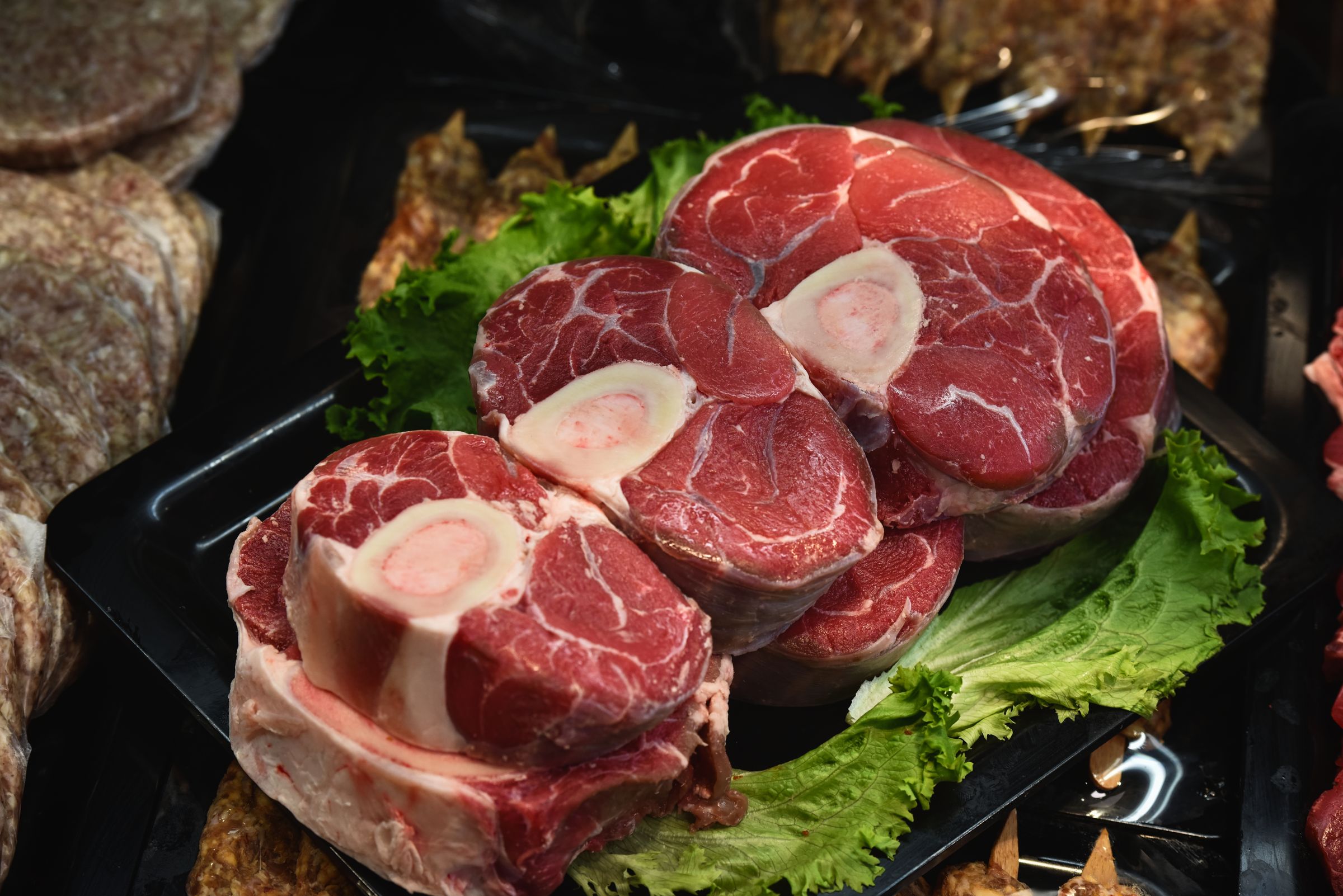
Some beef cuts look modest when raw and become exceptional after several hours of cooking. Beef shank, jarrete and osso buco belong to that group. Their culinary value is not immediate tenderness like tenderloin; it comes from hard-working muscle and connective tissue that can turn silky when handled with time, moisture and controlled heat.
Names vary by country, region and butcher. The most useful approach is therefore anatomical rather than linguistic. In broad terms, morcillo and jarrete refer to muscles from the lower leg, while osso buco is the cross-cut presentation of that area, usually with a round section of bone and marrow in the centre.
Why this part of the animal behaves differently
The legs work constantly to support and move the animal. That creates firm muscle fibres and significant connective tissue. Cooked quickly, the meat can feel tough. Cooked slowly in a moist environment, collagen gradually changes and the eating texture becomes completely different.
Beef. It’s What’s For Dinner describes shank cross-cut as a flavourful but initially tough leg cut best suited to braising and other low-and-slow methods. That recommendation reflects the structure of the cut, not a lack of quality.
Morcillo: a common Spanish butchery term
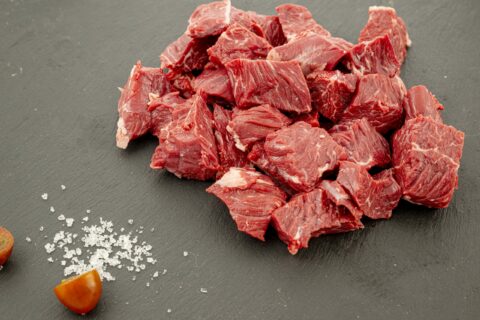
In many Spanish butcher shops, morcillo refers to meat from the lower leg. It may be sold boneless for stewing or with bone depending on the preparation. It is particularly useful in cocido-style dishes, stocks, stews and sauces where body and gelatinous texture are desirable.
Its strength is its ability to tolerate long cooking better than a lean quick-cooking steak. That does not mean it cannot be overcooked. Excessively harsh heat can dry the fibres even after connective tissue softens. Moderate heat, enough moisture and patience give better results.
Jarrete: similar anatomy, variable terminology
Jarrete is another term used for the lower leg or shank area. In practice, morcillo and jarrete can overlap. Some butchers use one term more often for boneless pieces and another for bone-in cuts, but that convention is not universal.
When buying online, check the picture, weight, whether bone is included and the producer’s description. Those details are more reliable than assuming every butcher uses the same regional vocabulary.
Osso buco: the cross-cut version with bone
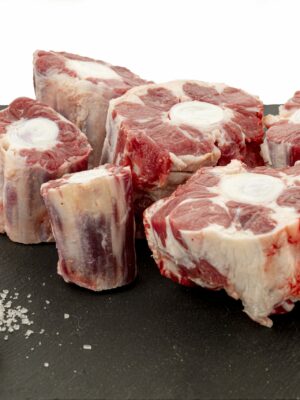
Osso buco is produced by cutting the shank across the leg, leaving a central bone surrounded by meat. The bone brings marrow and changes both the appearance and the character of the cooking liquid. It is particularly well suited to braising with stock, wine, tomato and aromatic vegetables.
The classic Italian dish is strongly associated with veal, although beef versions are common. From a technique perspective, the key is the cross-cut shank and slow cooking rather than one compulsory recipe.
What happens to collagen during cooking
Connective tissue contains collagen. Given enough time, moisture and heat, part of that collagen converts into gelatin. Gelatin contributes to the glossy, rich texture of the sauce and helps an initially firm cut feel tender.
This transformation takes time. Turning the burner higher cannot simply replace a long cook: it may drive off liquid too quickly and tighten the outer meat before the centre is ready. A gentle simmer, moderate oven or well-managed pressure cooker is usually more reliable.
Braising is one of the safest techniques
A practical method is to dry the meat, brown it for flavour and then cook it partly submerged in liquid. The pot should allow even heat and the pieces should not be packed too tightly. The liquid does not need to cover every piece completely; steam and the humid cooking environment help cook the exposed surface.
Onion, carrot, celery, garlic, tomato, wine and stock can all build the sauce. The exact combination is a matter of cuisine and preference. More important is maintaining enough liquid and avoiding a violent boil for hours.
How long does it need?
There is no single correct time. Thickness, animal age, connective-tissue content, actual cooking temperature and pot type all change the result. Texture is the better guide: when a fork enters easily and the fibres yield without turning dry and stringy, the meat is close to ready.
Many shank dishes take several hours at gentle heat. A pressure cooker shortens the clock considerably, but the same physical goal remains: enough accumulated heat to soften connective tissue.
Common mistakes
The first is treating shank like steak and giving it only a few minutes of intense heat. The second is using too little liquid for a long cook. The third is serving before the collagen has had time to transform. The fourth is boiling aggressively for hours, which can make some areas fall apart while others become dry.
Seasoning also deserves attention. Cooking liquids concentrate, so a heavily salted stock at the beginning can become overpowering by the end.
Which cut should you choose?
For a straightforward boneless stew, morcillo is extremely practical. For a dramatic presentation and a sauce that benefits from marrow and bone, osso buco is ideal. If the product page says jarrete, inspect the presentation carefully: it may be exactly the cut you need for either style.
For a deeper explanation of why one beef cut needs minutes while another needs hours, read our beef cooking science guide.
Related beef products
-
Sale!
 Select options
This product has multiple variants. The options may be chosen on the product page
Select options
This product has multiple variants. The options may be chosen on the product page



Sources
Beef. It’s What’s For Dinner — Shank Cross-Cut · Beef Osso Buco.

 Oxtail