
Beef provides mainly high-quality protein, iron, zinc, phosphorus, potassium and B vitamins. As a reference, the Spanish Nutrition Foundation (FEN) lists about 20.7 g protein, 5.4 g fat and 131 kcal per 100 g of lean beef, plus 2.1 mg iron, 3.8 mg zinc and 2 µg vitamin B12.
Lean beef nutrition per 100 grams
| Nutrient | Approximate amount |
|---|---|
| Energy | 131 kcal |
| Protein | 20.7 g |
| Fat | 5.4 g |
| Iron | 2.1 mg |
| Zinc | 3.8 mg |
| Potassium | 350 mg |
| Phosphorus | 170 mg |
| Vitamin B12 | 2 µg |
| Niacin | 8.1 mg |
| Vitamin B6 | 0.32 mg |
Protein in beef
Lean raw beef provides roughly 20–21 g protein per 100 g. A 150 g serving provides about 31 g using the FEN reference. The protein contains all essential amino acids. See how much protein beef contains.
Iron and bioavailability
Beef provides iron, including haem iron, which is generally more bioavailable than non-haem plant iron. FEN lists around 2.1 mg per 100 g in lean beef, which is why milligrams alone do not fully describe a meat-versus-plant comparison.
Zinc
At around 3.8 mg per 100 g in the lean reference, zinc is another characteristic beef mineral. Exact content varies by cut and animal.
B vitamins
Vitamin B12, niacin, B6 and riboflavin stand out. B12 is particularly relevant because it occurs naturally mainly in animal-derived foods.
Why the cut matters
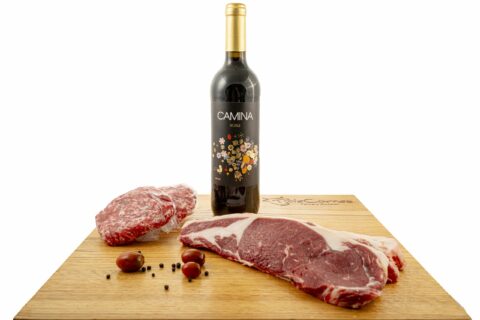
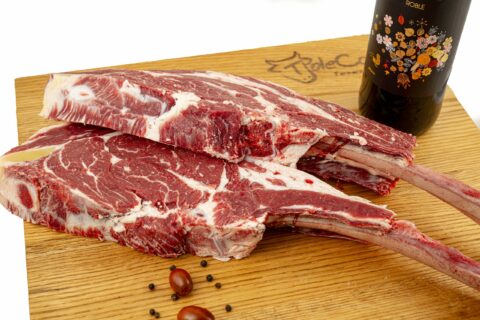
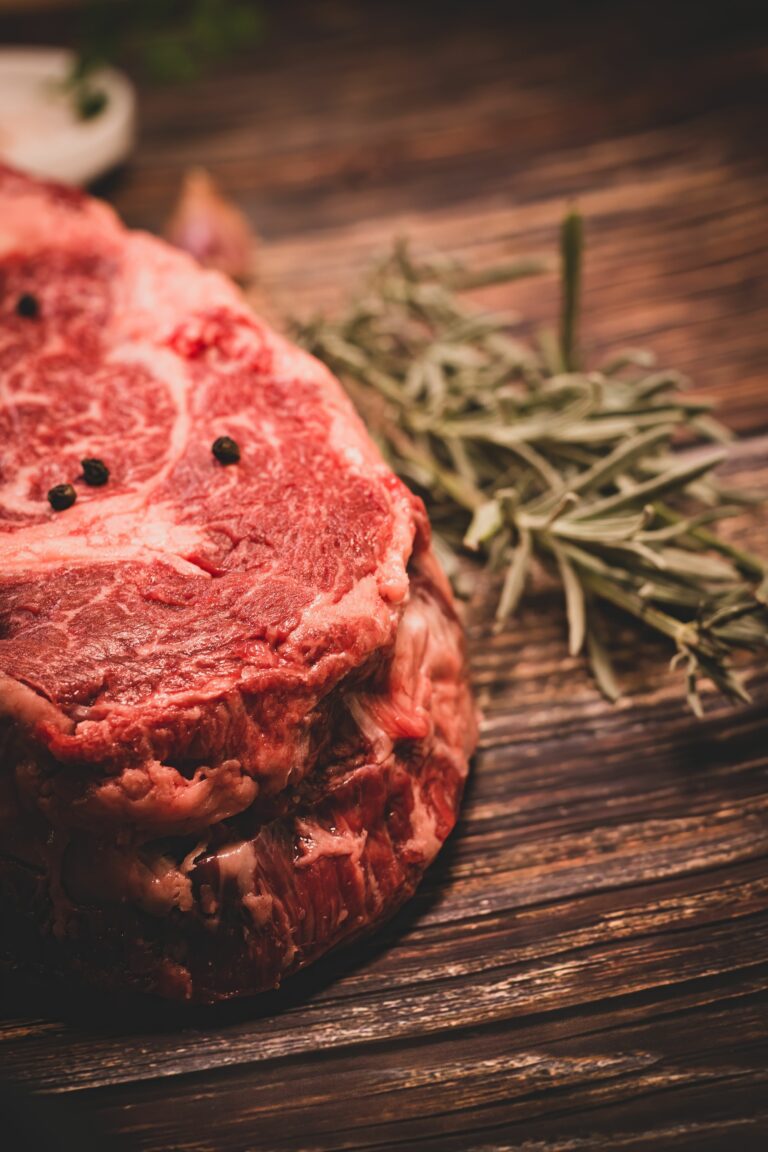
There is no single composition for “beef”. Muscle, intramuscular fat, external fat and trimming change energy and nutrient proportions. Lean cuts contain less fat than a highly marbled ribeye or large bone-in steak.
Raw and cooked: be careful with 100 grams
Meat loses water during cooking. Therefore 100 g of cooked beef can show more protein by weight than 100 g raw. Cooking has not created protein; there is simply less water in the final weight. Always compare foods in the same state.
How much fat?
The lean reference contains about 5.4 g fat per 100 g, but semi-fat beef, ribeye and other highly marbled cuts can contain much more. Fat is one of the biggest drivers of calorie differences between cuts.
Carbohydrates and fibre
Fresh beef contains virtually no carbohydrates and no dietary fibre. That does not make it nutritionally complete; a varied diet combines meat with vegetables, pulses, cereals, potatoes and other foods.
Frequently asked questions
How much protein is in 100 g of beef?
FEN lists 20.7 g for lean raw beef.
Does beef contain iron?
Yes, about 2.1 mg/100 g in the lean reference, including haem iron.
Does beef contain vitamin B12?
Yes, around 2 µg/100 g in the FEN reference.
Do all cuts have the same calories?
No. Fat varies substantially between cuts and changes energy value.
Does beef contain fibre?
No. Fresh meat does not provide dietary fibre.
Source
Reference composition for lean beef from the Spanish Nutrition Foundation (FEN). Actual values vary by cut, animal and preparation.
How to read a meat nutrition label
For packaged meat, check whether information is given per 100 g as sold and pay particular attention to protein, total fat and saturated fat. For unpackaged fresh meat, food-composition tables are useful references but cannot describe the exact composition of every individual piece.
Prepared burgers, marinades and other processed meat products can differ substantially and may contain salt, carbohydrates or other ingredients not naturally present in fresh meat. Compare fresh meat with fresh meat, not with a formulated meat product.
Real serving size matters
Per-100-g data make comparisons easier, but people eat servings that may be larger or smaller. A 150 g steak does not provide the same amount as 100 g, and a large bone-in steak may include bone in its listed weight. To estimate a meal, use edible weight and match the raw or cooked state used by the nutrition table.

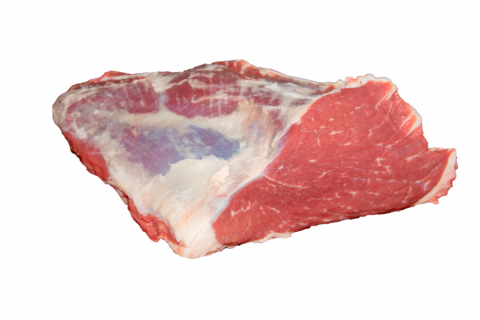

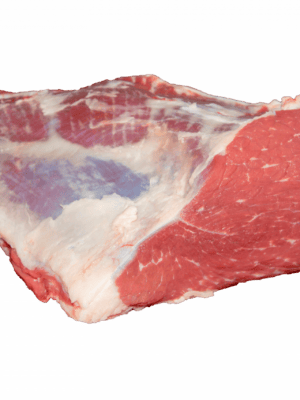 Beef picanha (rump cap)
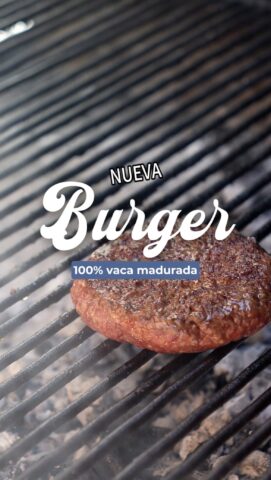
 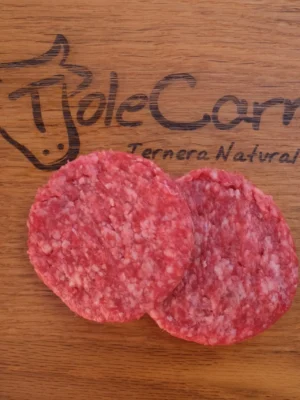 100% beef burgers – gluten-free (2)