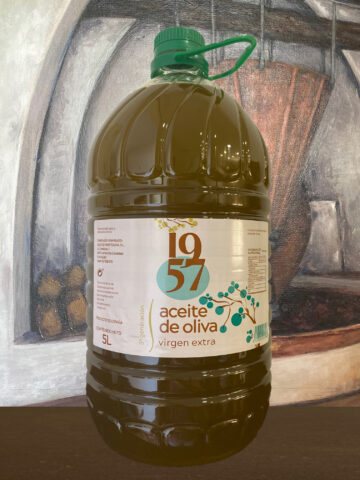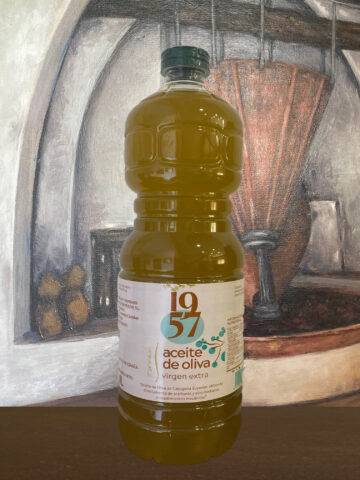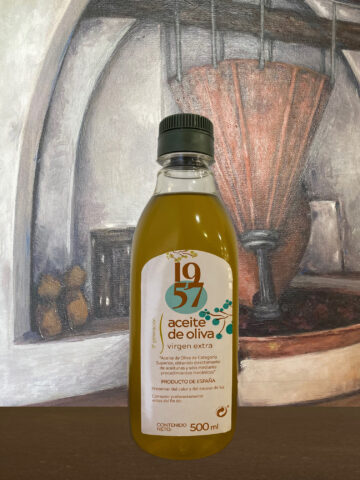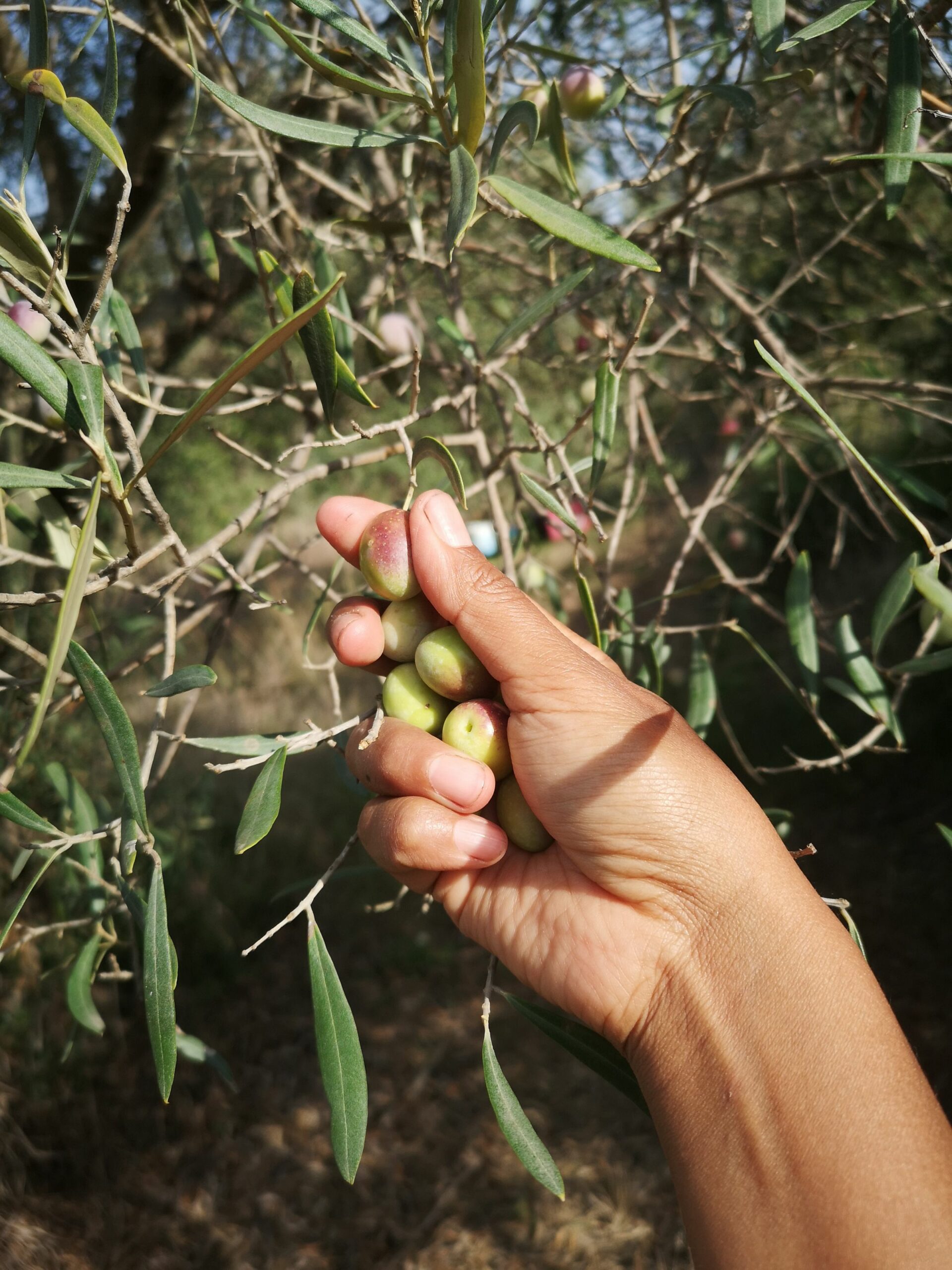
The expression “early harvest” appears increasingly often on extra virgin olive oil and is commonly associated with green, aromatic and intense oils. The terms should be separated carefully: early harvest is not a legal grade equivalent to “extra virgin”, nor does it automatically guarantee that one oil is better than another. It describes an agronomic and production decision — picking the olives at an earlier stage of ripeness than would normally be chosen to maximise oil yield.
The fruit therefore tends to retain a greener sensory profile and a different composition from more mature olives. The resulting oil can show strong aromas of leaf, grass, tomato plant, green almond and other vegetal notes, but the result depends heavily on variety, grove, climate, precise picking date and how quickly the fruit reaches the mill.
“Early harvest” and “extra virgin” answer different questions
Extra virgin is a regulated category requiring compliance with specific chemical and sensory parameters. Early harvest describes the timing of fruit collection. An oil can be early harvested and also meet the extra virgin category; the two pieces of information complement one another.
That distinction matters because early-harvest wording should never replace the legal sales category. When buying, first establish what grade of olive oil is in the bottle. Then look at variety, origin, crop year, harvest timing, sensory profile and packaging.
What changes when olives are picked earlier
As olives ripen, their colour, composition, texture and oil yield change. At earlier stages there is generally less extractable oil per kilogram of fruit than when olives are more mature. Producing the same quantity of oil may therefore require more fruit.
This lower yield helps explain why many early-harvest oils are positioned as selective products, but higher production cost is not an automatic guarantee of superior sensory quality. Excellent EVOO also depends on healthy fruit, careful harvesting, rapid transport, clean milling, appropriate malaxation and separation, good storage and proper conservation after bottling.
Why the flavour is often greener
Oils produced from earlier-picked olives frequently show a green-style fruitiness. In Picual, for example, descriptors may include olive leaf, freshly cut grass, tomato plant, fig leaf or green almond. Other varieties produce different aromatic families.
Bitterness and pungency can also be more noticeable. When balanced, these are positive sensory attributes in many extra virgin olive oils. Early harvest does not necessarily mean “extremely peppery” or “very bitter”, however: variety, exact ripeness and processing conditions all influence intensity.
Green colour does not prove quality
A deep green oil can be visually attractive, but colour is not a quality criterion in professional olive-oil tasting. Sensory tasting glasses are designed so colour does not bias the taster.
Chlorophyll and other pigments influence appearance, yet two excellent oils can look very different. Category, origin, crop information where available, variety, producer and a credible sensory description are far more useful purchasing signals.
Early harvest is not the same as cold extraction
The two expressions are often confused. Early harvest tells us when olives were picked. Cold extraction describes conditions during production. EU rules reserve the wording for virgin or extra virgin olive oils obtained by percolation or centrifugation of olive paste below 27 °C.
An oil can therefore be both early harvested and cold extracted if it meets the relevant conditions. Neither term replaces the other.
How is early harvest different from harvest year?
The harvest year identifies the crop from which the oil comes. Under EU rules, virgin and extra virgin olive oil may show a harvest-year indication when 100% of the container comes from that harvest, using the marketing year or the month and year under the stated conditions.
This is useful chronological information, but it does not by itself tell us whether the olives were picked very green, during colour change or later. Crop year and early harvest are complementary details.
Read variety and harvest timing together
An early Picual will not taste like an early Arbequina. Variety defines a large part of the oil’s character. Picual commonly produces stronger profiles, recognizable bitterness and pungency and good stability; Arbequina is often more delicate and sweet in perception, although earlier picking can increase green notes.
Lechín offers another balance, with vegetal and green-almond sensations. For a deeper comparison, see our Picual, Arbequina or Lechín guide.
When does early-harvest EVOO make sense?
It is particularly attractive when you want olive oil to contribute aroma: bread and tomato, roasted vegetables, simple salads, soups, legumes finished with a raw drizzle, or dishes where oil acts almost like a seasoning.
It can of course be used in hot cooking when the profile suits the recipe. But using a very aromatic oil in a dish where its nuances will be completely hidden may not be the most logical gastronomic choice. Our guide to choosing EVOO for frying, cooking, dressing and raw use explores this in more depth.
How to buy intelligently
Do not focus on “early harvest” alone. Read the whole product: extra virgin category, producer, origin, variety, crop year if declared, package type and storage guidance. Light-protective packaging and good home storage are crucial if you want an aromatic oil to keep its character.
Also avoid shortcuts such as “greener always means earlier” or “more pungent always means better”. An EVOO should be judged by balance, clean aroma, absence of defects and suitability for the food you intend to prepare.
Sources and references
Commission Delegated Regulation (EU) 2022/2104 — olive oil marketing standards.
Olive Oils from Spain — early-harvest sensory profiles and food pairing.
Related extra virgin olive oils
-
EMDO Selection Sale
-
EMDO Selection
-
EMDO Selection