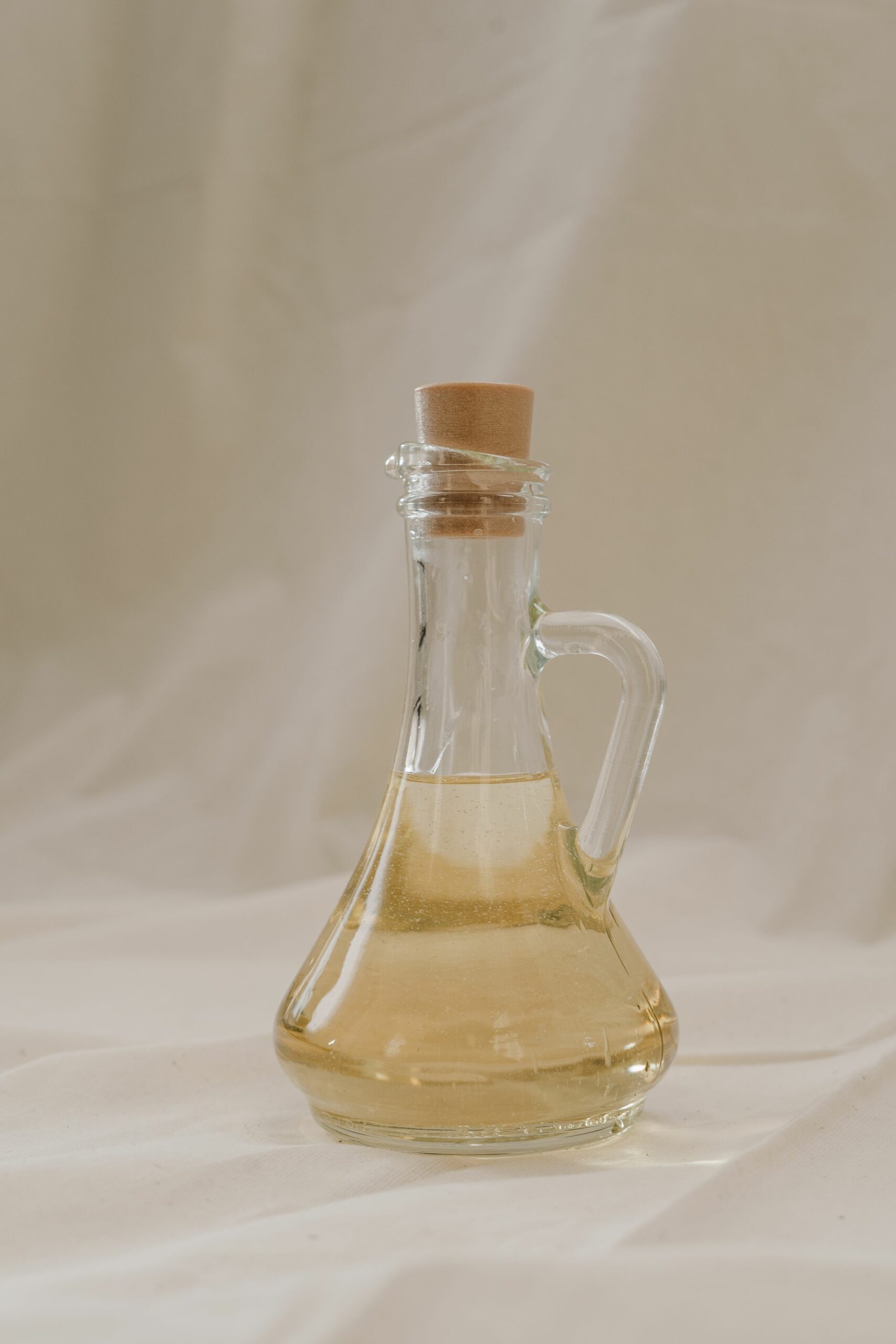
When comparing extra virgin olive oils, people usually focus on cultivar, origin, harvest or flavour. Packaging may seem secondary, yet it has two important jobs: protecting the oil and making everyday use convenient. Bottles, tins and larger containers can all work well when they match consumption speed and storage conditions.
There is no single perfect package. A household that cooks every day may benefit from a larger format, while someone who mostly uses EVOO raw may prefer smaller bottles that are finished quickly. The goal is to limit light, heat and oxygen exposure without making the product awkward to use.
What good packaging needs to protect against
Olive oil is sensitive to light, heat and air. Effective packaging should reduce light exposure and close securely. Consumer behaviour matters just as much: even excellent packaging loses its advantage if it sits in sunlight, remains open or is stored beside an oven.
Think of packaging as a whole system: material, opacity, size, closure, storage location and turnover.
Glass bottle: convenient for daily use
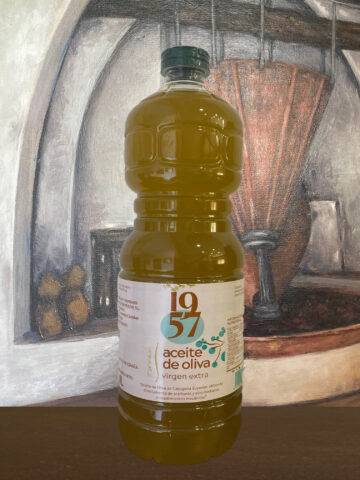
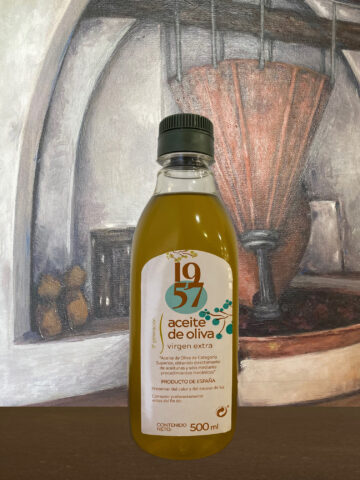
A bottle is easy to pour, easy to dose and ideal for table use, finishing dishes or cooking modest quantities. Dark glass provides better protection from light than clear glass.
The weakness of clear glass is not the material itself but prolonged exposure to strong light. A clear bottle kept inside a cupboard may fare better than a dark bottle permanently displayed beside a sunny window.
Tin: strong protection from light
A tin is opaque, so the oil is protected from light while the container remains closed. It can offer a useful balance of protection and volume and is common in gastronomic oils and storage-oriented formats.
Convenience depends on the pourer and size. Large tins may be less practical for daily pouring, which is why a small service bottle can be useful.
Large container: sensible for high consumption
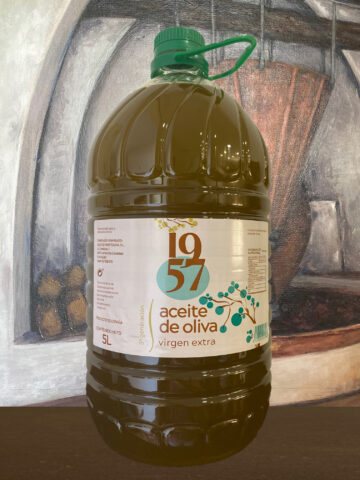
Larger multi-litre containers make sense in households that use olive oil frequently. They reduce repeated purchasing and keep a useful reserve. The drawback appears when the package is far larger than actual consumption and remains open for many months.
Keep a large container tightly closed in a cool, dark place. If its material transmits light, cupboard storage becomes even more important.
Should you divide a large container into smaller bottles?
It can help, but it should be done carefully. Decanting a small amount into a perfectly clean, dry bottle for daily use reduces handling of the main container. There is usually no need to divide the entire supply into many bottles immediately.
Every transfer introduces air and can introduce moisture or residues if the receiving container is not clean. The simplest approach is often to keep most oil in its original package and refill one small bottle as needed.
Size matters as much as material
Two households can need opposite formats. If you consume a litre every few weeks, a larger package may turn over quickly. If one litre lasts many months, smaller units reduce the time each opened container spends in contact with air.
Our 5-litre EVOO guide looks specifically at when a large format makes sense.
Table oil and cooking oil may need different formats
Many kitchens work well with two scales: a large reserve container for cooking and refilling, plus a manageable bottle for dressing, finishing dishes and table service. This combines convenience with better protection of the main volume.
It also makes it easy to keep two cultivars for different dishes. Our Picual, Arbequina and Lechín guide explains how their profiles differ.
What to check beyond packaging
The container does not replace the rest of the label. Check the sales designation, net quantity, origin where applicable, best-before date, lot and storage instructions. Attractive packaging does not automatically mean better oil.
Start with the product itself, then choose a package you can manage well. Our olive oil label guide explains which details genuinely matter.
A practical rule for choosing
If consumption is slow, prioritise smaller formats that close easily. If consumption is high, a large tin or container can be efficient provided it stays protected. For table use, a manageable bottle is usually easier. In every case, storage location matters: darkness, stable temperature and a proper seal.
Related olive oils
-
EMDO Selection Sale
-
EMDO Selection
-
EMDO Selection