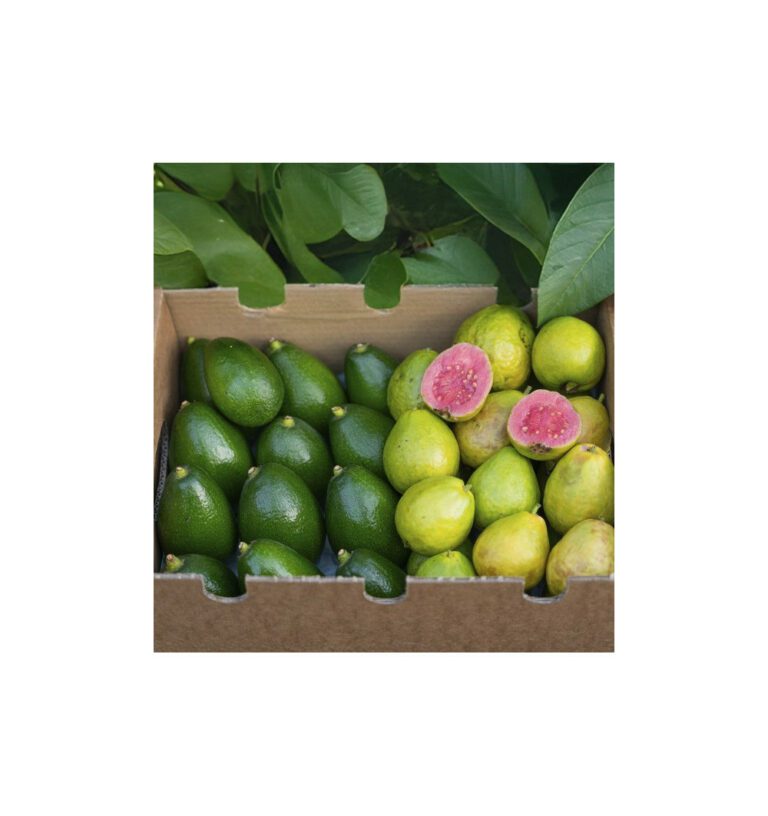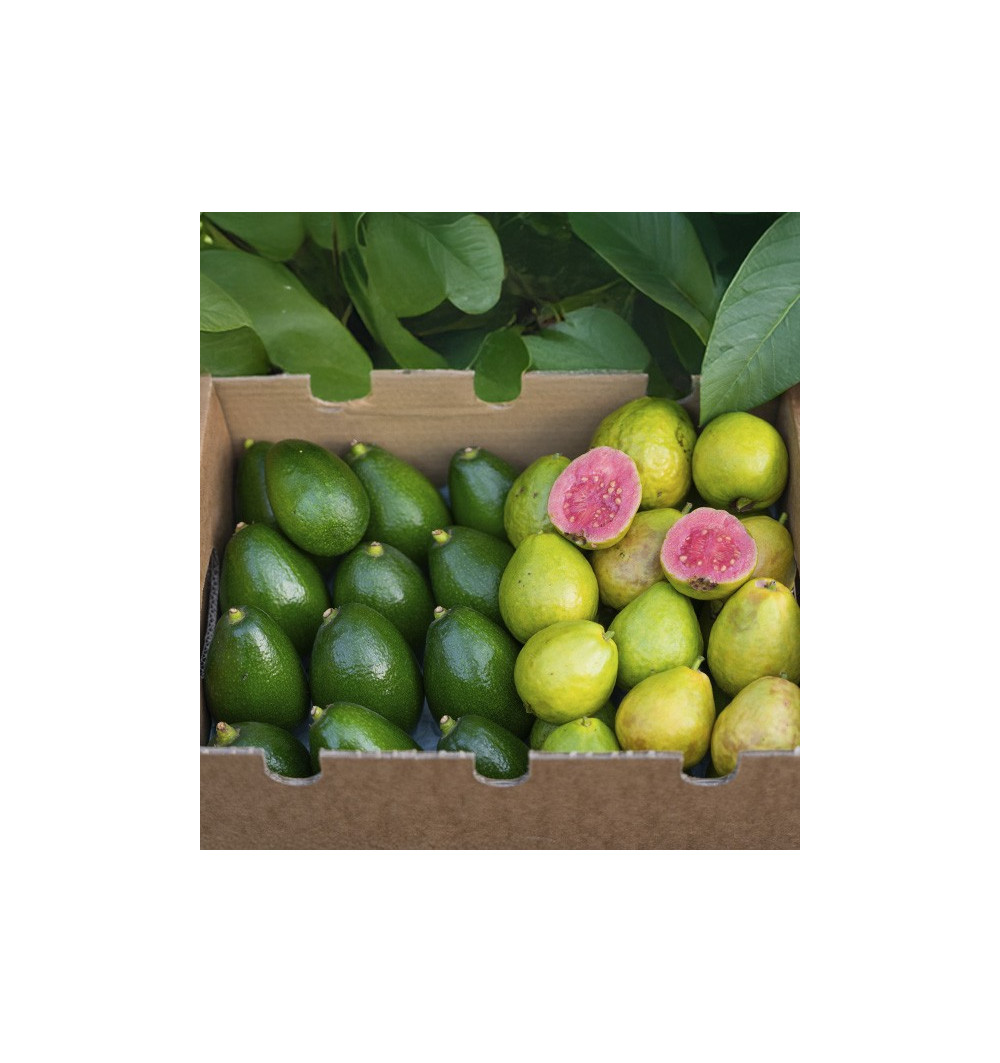
Seeing avocados in a shop all year round does not mean they are harvested in Spain every month. Availability may reflect different cultivars, growing regions and fruit imported from elsewhere. If your goal is to buy Spanish-grown avocados, the useful questions are not simply whether they are available, but which variety is being harvested and where the actual fruit was grown.
Spain's harvest is concentrated across the cooler part of the year, stretching from autumn into spring and, with later varieties and certain areas, sometimes part of summer. There is no single national start or finish date. Coastal growing areas around Málaga and Granada are particularly important, while other suitable locations also produce avocados.
The season follows the cultivars
Early in autumn you may begin to see Bacon avocados. Fuerte commonly occupies part of the autumn and winter period. Hass, with its rough skin that usually darkens during ripening, has a broader window and often dominates much of winter and spring. Later, other cultivars such as Lamb Hass can extend the supply of locally grown fruit.
These are approximate harvest windows, not guaranteed appointments. Producers do not begin picking on exactly the same day every year. Weather, temperatures, irrigation, local growing conditions and fruit development all influence decisions. If a retailer offers Spanish fruit earlier or later than you expected, check the origin and variety rather than assuming the listing must be wrong.
The Spanish Ministry of Agriculture's seasonal fruit calendar provides a general guide. For a specific purchase, however, the producer's current product information is more relevant. A national calendar cannot describe each orchard in detail.
Different names mean different avocados
Hass, Bacon and Fuerte are not alternative brand names for one identical fruit. Their skins, flavour profiles and textures differ. A ripe Bacon may stay green, while a Hass often becomes darker. Hass can be particularly appealing for creamy guacamole; Bacon is often appreciated for its milder character. Our comparison of Hass, Bacon and Fuerte explores the differences in more detail.
Variety also affects ripening expectations. A firm avocado arriving by post is not automatically a sign of poor harvesting. Many avocados are dispatched while firm so that they can finish ripening at home. What matters is a clear description of the anticipated condition and being able to plan the order around the days when you need the fruit.
What does “Spanish avocado” actually mean?
To find out where an avocado was grown, read the fruit's stated country of origin. A seller's Spanish business address does not prove that every avocado in its warehouse is Spanish. “Packed in Spain” is not necessarily the same as “grown in Spain”.
Once you know the origin, you can compare sensibly. A nearby growing area may offer logistical advantages in a particular supply chain, but a shorter distance alone cannot promise sweeter, better-ripened or same-day-picked fruit. The named variety, expected delivery condition and handling matter too.
Pack size is important when ordering online. A box can be useful for a family that eats avocados regularly, but check the net weight and avoid expecting identical sizes. Pieces at slightly different ripening stages may actually make a larger order easier to use through the week.
What happens outside the local harvest?
Shops may stock imported avocados when Spanish supplies are low or the local campaign has finished. Imported does not automatically mean inferior, but the origin must be described accurately. On a marketplace carrying produce from multiple growers, do not assume every fruit has the same origin as one featured producer.
If you particularly enjoy buying Spanish-grown fruit, watch for the main local season and compare the cultivars available. Outside that period, you can decide whether to choose different seasonal fruit or an imported avocado whose flavour, handling and price fit your needs.
Check the box format before ordering
Buying avocados by weight does not mean every box contains the same number of pieces. Fruit size varies, and different cultivars may have different average weights. A four-kilogram box can contain a different number of avocados from another four-kilogram box. If you are shopping for a recipe that needs a particular number, look for any indication of size, approximate fruit count and net weight.
When buying from an online marketplace with several growers, check delivery charges as well. A box may seem attractively priced, but the final cost can change according to where you live or how many kilograms you order. Compare the delivered price and expected arrival conditions rather than judging the product by its headline price.
If the fruit is due to arrive firm, make space where it can ripen without being knocked or crushed. A seasonal purchase is most rewarding when the quantity, delivery date and ripening pattern match how your household actually eats avocados.
How to shop while the season is in progress
The most useful description combines the exact cultivar, growing origin, net weight and expected ripeness on delivery. If a box is labelled Hass but illustrated with Bacon, or promises immediate harvest without concrete information, it makes sense to ask before ordering.
Avocados complete their ripening after harvest. Leave firm pieces at room temperature until they yield slightly to gentle pressure; refrigeration can then slow softening once they are ready to eat. Our avocado ripening guide explains how to judge them without bruising them.
Seasonality tells you when to start looking, not exactly which fruit will be delivered. If you know the variety you enjoy and the condition in which you want to receive it, you can buy Spanish-grown avocados during their harvest without relying on rigid calendars or vague labels.