Buying several avocados for the week can feel like a timing experiment. One finally reaches perfect ripeness just as the others decide to follow, or you refrigerate a hard avocado that still needed time to soften. The answer is not one magical storage trick. It is giving each fruit the right conditions for its stage of ripeness.
A useful starting rule is this: firm avocados that you want to ripen at home are usually best kept at room temperature; ripe avocados can be refrigerated to slow further softening. Once you cut one open, the rules change because its flesh is exposed and needs covering and refrigeration.
Firm fruit and ready-to-eat fruit need different treatment
If an avocado is still hard and you want to eat it in a few days, leave it in a ventilated place away from direct sunlight. Do not balance it next to a heater or oven. Avocados ripen after harvest, and temperature affects the process. Cooling an unripe fruit too much or in unsuitable conditions may cause quality problems depending on the cultivar and its maturity.
The UC Davis postharvest guidance distinguishes storage requirements for mature-green and ripe avocados. Commercial temperature recommendations should not simply be transferred unchanged to a domestic kitchen; at home, the practical aim is to observe ripeness and move the fruit when appropriate.
To check it, cradle the avocado in your palm and apply gentle, even pressure. A little give without a deep dent generally signals that it is ready to eat or refrigerate. Avoid repeatedly squeezing it with your fingertips. That can bruise the flesh and make a damaged area feel deceptively ripe. Our avocado ripening guide explains the signs and why skin colour differs among varieties.
Refrigeration is useful after ripening
Once the avocado is ripe, putting it in the refrigerator can extend the window before it becomes too soft. Place it somewhere clean where other food will not crush it. If the fruit is already extremely soft, cooling does not reverse the damage. Refrigeration slows change; it cannot restore a fruit that is past its best.
Avoid repeated and unnecessary temperature swings. Taking an avocado out, leaving it for hours in a hot kitchen and putting it back is not a helpful routine. If you like eating it less chilled, take it out shortly before preparing the meal rather than keeping it at room temperature for an extended period.
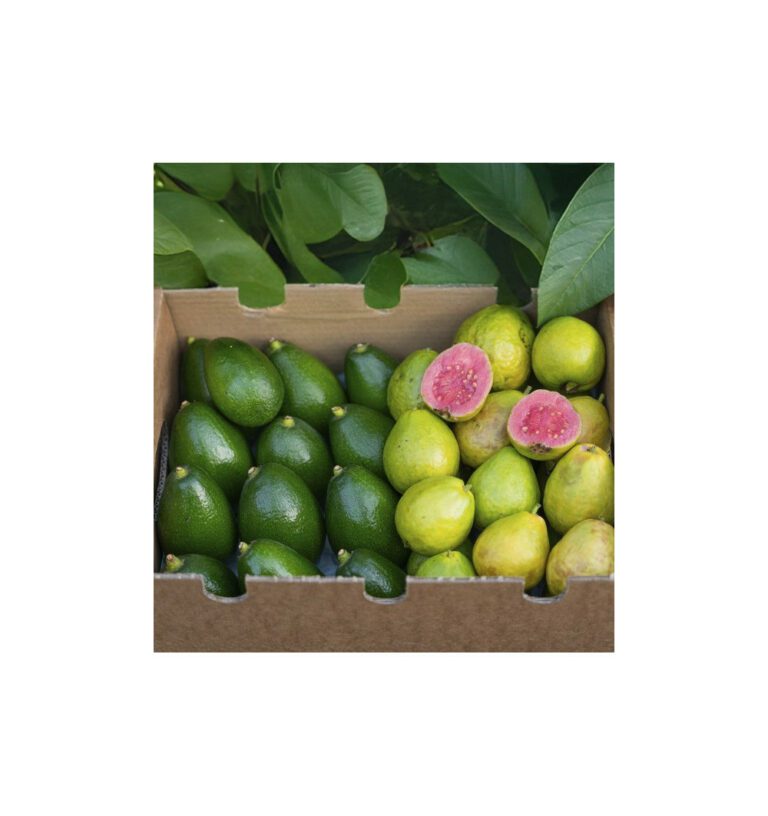
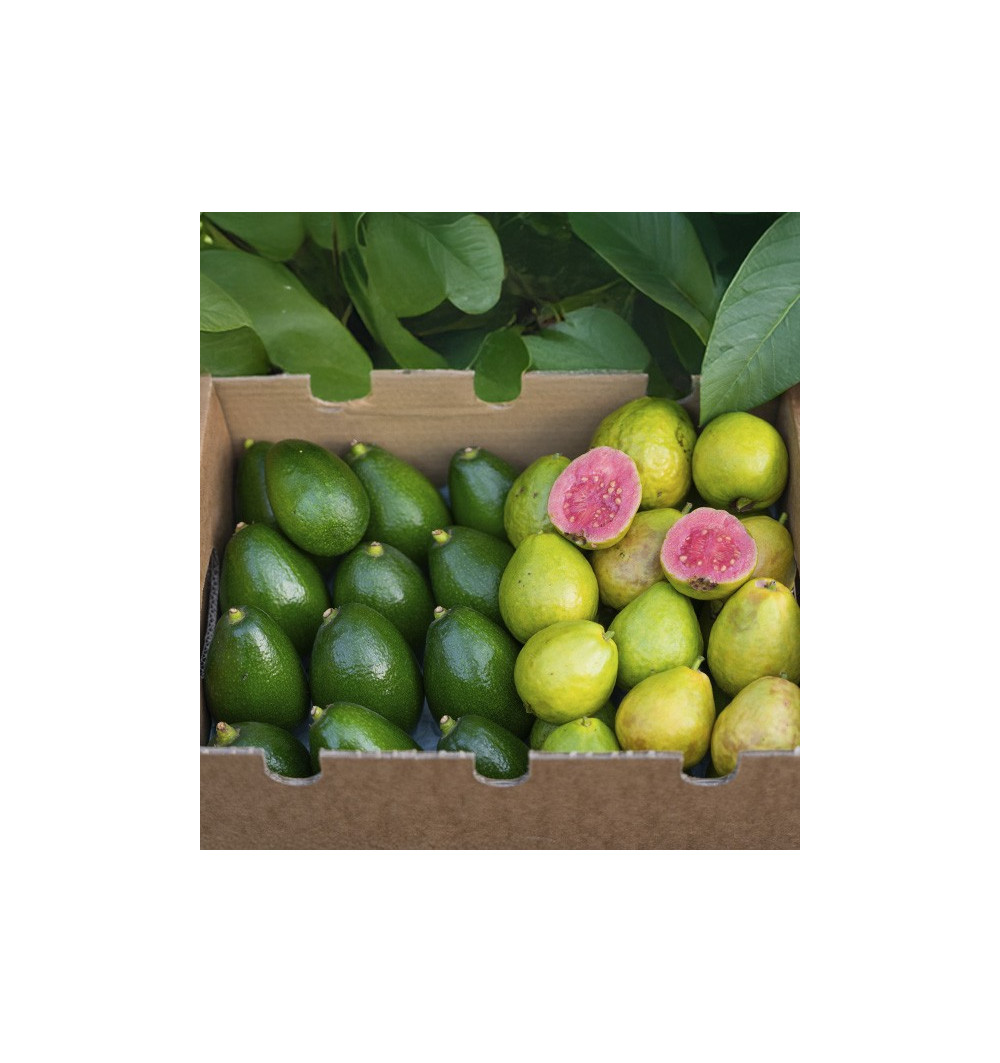
If you ordered a box of avocados, check which pieces are progressing fastest and move only the ripe ones into the refrigerator. That way you do not have to eat several on the same day. Give the fruit space and set aside any pieces that show serious damage.
Keeping a cut avocado from turning brown
When you cut an avocado, oxygen reaches its flesh and enzyme-driven reactions produce brown pigments. A small amount of surface browning does not automatically make the fruit unsafe, but the appearance changes and flavour may deteriorate over time.
Place the remaining half in a clean, airtight container or cover it tightly with food-safe wrap to reduce its exposure to air. A little lemon juice on the cut surface can slow visible browning if the flavour suits your dish. Always refrigerate cut avocado promptly. Storing half an avocado submerged in water for long periods is not a recommended food-safety solution and can spoil the texture.
Keeping the stone in place may protect the little patch of flesh directly beneath it, but it does not prevent oxidation across the rest of the cut surface. A close-fitting cover, refrigeration and prompt consumption matter much more.
What about mashed avocado and guacamole?
Mashed avocado has more exposed surface than a whole half and can brown faster. Use a shallow, clean, airtight container and make sure any food-safe cover sits close to the surface. Refrigerate it. Lemon or lime may help the colour and taste, but neither makes the mixture last indefinitely.
If you add tomato, onion or other fresh ingredients, treat the result as prepared food and keep it chilled. Do not leave a bowl sitting for hours on a warm table. Inspect leftovers before using them and discard anything with mould, an unpleasant smell or clear signs of deterioration.
Can avocados be frozen?
The flesh can be frozen, but it changes texture as it thaws. That makes it better suited to mashed preparations, sauces or smoothies than to beautifully firm slices on a salad. You can mash or cut the flesh, minimise exposure to air in a freezer-safe container and mark the date.
Thaw it in the refrigerator and assess the texture before using. A frozen avocado will not necessarily taste and feel exactly like one cut open fresh; ice formation changes its cells. But freezing can be a practical way to reduce waste if the last few pieces of a box are ripening faster than you can eat them.
Good storage begins when you shop
A household eating avocado every morning may find it easy to stagger the ripening of a large box. Someone who uses it only occasionally might be happier with a few pieces. Check the producer's information about how firm the fruit is likely to be on arrival and what weight you are buying.
Reasonable quantities, daily checks without bruising the fruit, and refrigeration once it is ready will do more for your avocados than elaborate tricks. The reward is more fruit eaten at its best and fewer forgotten pieces at the back of the refrigerator.