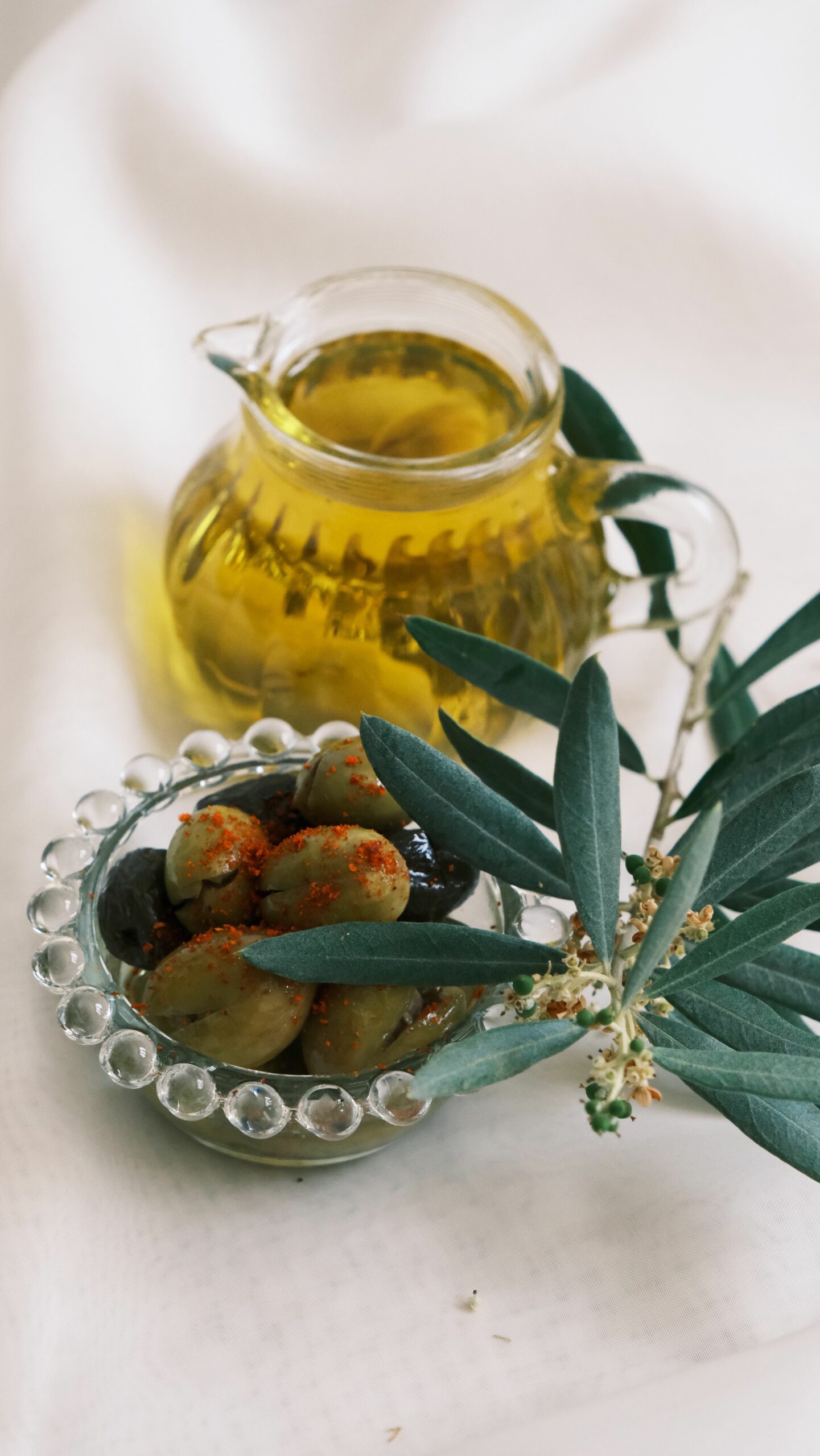
When extra virgin olive oil leaves the mill, it may still contain tiny particles of pulp, skin and stone, together with a small amount of water naturally present in the fruit. From there, producers can allow some material to settle, separate phases physically and, in many cases, filter the oil before bottling. This is the origin of two styles consumers often see: filtered and unfiltered extra virgin olive oil.
The distinction is sometimes presented as a battle between “natural” and “industrial”, but that is misleading. Filtration is a physical operation designed to remove suspended moisture and solids. It does not by itself change the legal category of an oil or turn an extra virgin olive oil into something else. What matters is how it affects appearance, aromatic evolution and storage stability.
What is actually present in unfiltered EVOO?
Unfiltered oil can look cloudy because it retains microdroplets of water and plant particles. This hazy appearance is common in freshly produced oils and is often associated visually with the new harvest. When consumed very soon after production, such oils can also give a strong impression of freshness.
Those particles are not a magic ingredient, however. Water and plant material make the system less stable than a clean, properly filtered oil. Over time they can settle and participate in reactions that shorten the oil’s sensory life. This is why unfiltered EVOO often makes most sense when bought fresh and consumed relatively quickly.
What filtration does
Filtration removes much of the suspended moisture and solids. Depending on the producer, this may involve filtering materials or equipment designed to separate those fractions physically without chemical refining. The result is usually a clearer, brighter-looking oil.
The main practical advantage is storage stability. By reducing water and suspended matter, there is less material available to deteriorate or ferment in the bottom of the container. For large formats, or households that need several months to finish a container, filtration is often a particularly sensible choice.
Does unfiltered oil have more flavour?
There is no universal rule. A newly made unfiltered oil can taste highly expressive because it is being consumed at a very young stage. Yet aromatic intensity depends much more on cultivar, fruit maturity, handling, extraction, process temperature, storage and time since production.
Filtering does not automatically mean “removing flavour”. A high-quality filtered EVOO can be intensely fruity, bitter and pungent. Likewise, an unfiltered oil is not automatically more complex. It is important to separate the visual impression of cloudiness from genuine sensory evaluation.
Sediment: normal, but not irrelevant
With unfiltered oil, a deposit often develops at the bottom of the container over time. This sediment is made up of particles and moisture gradually settling out. Its presence does not automatically mean the oil has spoiled, but it does mean those fractions remain in the product.
If the oil is stored for months, prolonged contact with sediment can harm its evolution. Some producers therefore rack or decant unfiltered oils, while others recommend relatively rapid consumption. The producer’s own storage guidance should always take priority.
Which style suits different consumption patterns?
For a small bottle finished in a few weeks, the practical difference between filtered and unfiltered oil may largely come down to style and sensory preference. With a multi-litre container, stability matters more. If the oil will be opened repeatedly over several months, a filtered oil protected from light, heat and oxygen generally offers more predictable ageing.
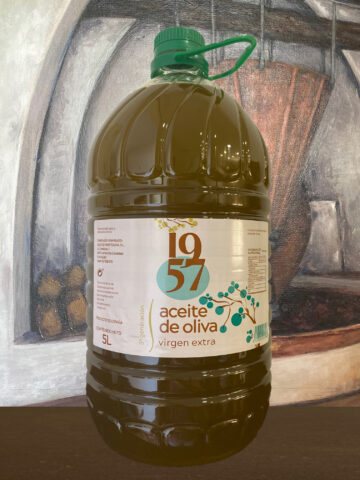
With 5-litre formats, it is also useful to keep the main container tightly closed and decant only a small amount into a daily-use bottle. This reduces the number of times fresh air enters the large container. We explain that strategy in our guide to storing extra virgin olive oil correctly.
Container transparency matters more than many people realise
Filtered or not, olive oil should be protected from light. Dark bottles, opaque tins or containers stored away from direct exposure help slow oxidation. Excellent oil can still deteriorate if it spends months beside a sunny window or near a heat source.
The container should also be closed properly. Oxygen is one of the main enemies of bottled oil. Keeping an almost-empty bottle for months is therefore not ideal: the greater the headspace, the greater the oil’s exposure to air.
How to choose without falling for myths
If you want an experience closely linked to the new harvest and expect to consume the oil quickly, unfiltered EVOO can be very appealing. If you prioritise stability, buy large formats or want the oil to retain its profile for longer, filtered oil is usually the more practical option. Neither choice determines overall quality by itself.
What matters most is that the oil genuinely meets extra virgin standards, that the fruit was processed correctly and that the product is stored well. Filtered and unfiltered are two presentations of EVOO, not automatic quality grades.
How to compare them at home
If you have both styles, pour small samples at a similar temperature and, if possible, taste without focusing on colour first. Smell the oils, take a small sip and look for fruitiness, bitterness, pungency, balance and any defects. Only then compare appearance. It is a useful way to discover how strongly cloudiness can influence expectation.
Colour — deep green, golden or pale — is not an official quality criterion either. Professional tasting uses coloured glasses precisely so appearance does not bias sensory judgement.
Related extra virgin olive oils
-
EMDO Selection Sale
-
EMDO Selection
-
EMDO Selection

Sources and references
International Olive Council — standards, methods, storage and sensory guidelines.