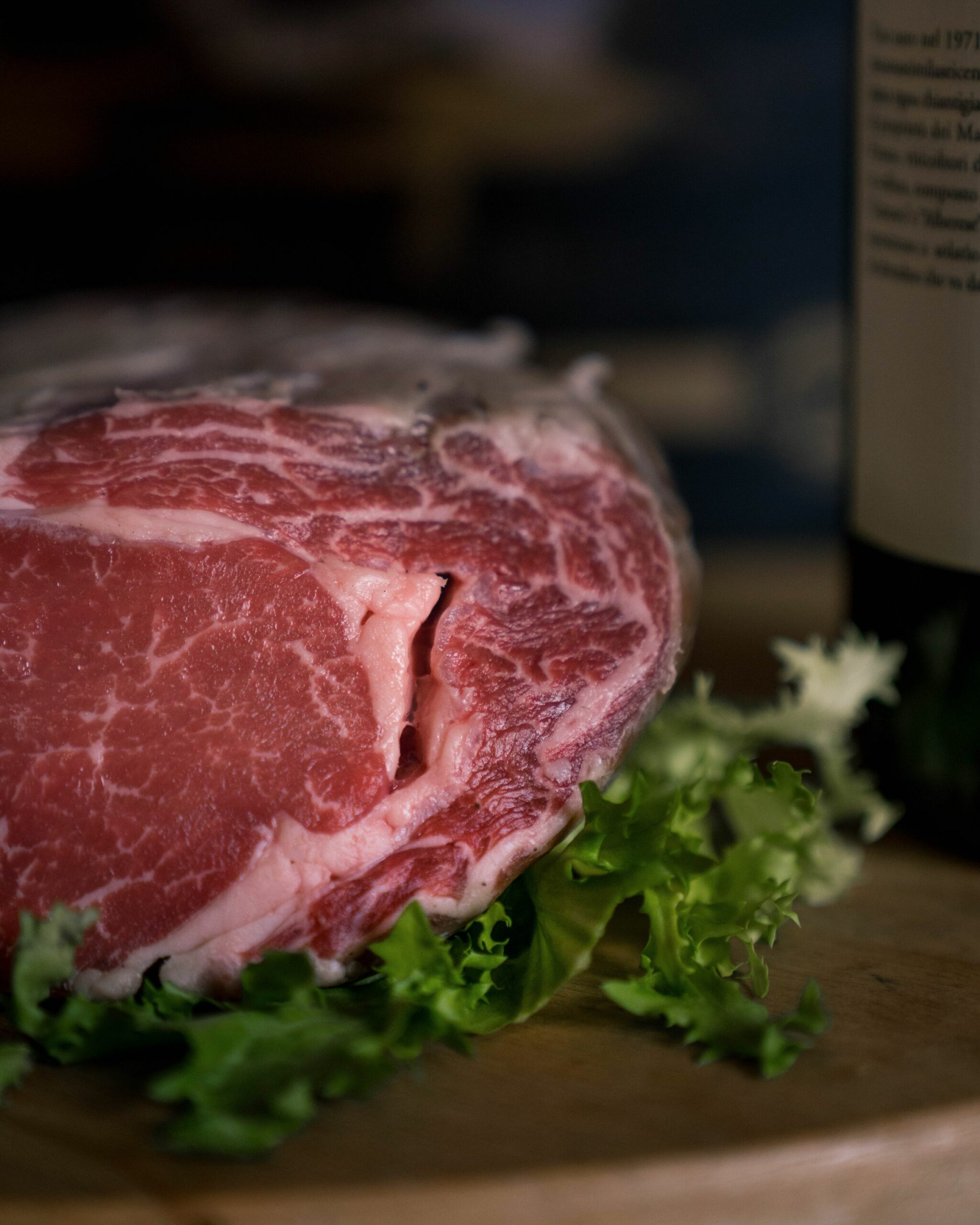
Beef chuck comes from the front of the animal and combines muscle, fat and connective tissue. That mixture explains why it can deliver excellent flavour and juiciness, while also explaining why it should not always be cooked as if it were tenderloin. Depending on the exact cut and thickness, chuck can suit quick cooking or long, slow methods.
El Mercado de Origen sells beef products that use this area, including a chuck-style tomahawk in selected meat packs. Understanding the cut helps you choose the right cooking method and distinguish it from rib and loin steaks.
Where is beef chuck?
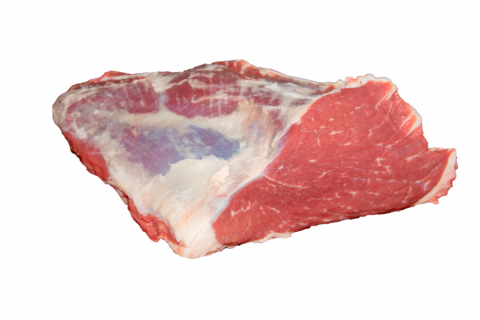
Chuck is taken from the front of the carcass around the shoulder, neck and beginning of the rib section. These muscles work more than tender loin muscles, so they may contain more noticeable fibres and connective tissue.
That is not a flaw. Properly selected and cooked chuck can have deep beef flavour. Tenderness depends on the exact muscle, thickness, marbling and cooking technique rather than only on the name of the primal cut.
Why can chuck taste so good?
More active muscles often have a robust flavour and a different structure from very tender steaks. Chuck can also contain intramuscular fat that contributes to perceived juiciness. When that fat is well distributed, some chuck steaks work extremely well on a griddle, grill or in the oven.
Our guide to beef marbling explains what those internal streaks of fat mean and how they can influence cooking.
Chuck, rib and loin: a simple comparison
| Area | Typical characteristic | Methods that often suit it |
|---|---|---|
| Chuck | Strong flavour with variable fibres and connective tissue. | Griddle for suitable steaks, oven, barbecue or slow cooking. |
| Rib/upper loin | Often more regular tenderness and useful marbling. | Bone-in steaks, entrecôte, pan and grill. |
| Rib section | Combination of fat, bone and connective tissue. | Grill, oven or longer cooking depending on the cut. |
Butchery names vary between countries and even between individual shops. Do not rely only on the word “chuck”. Look at the photograph, thickness, bone and the seller's recommended use.
What is a chuck tomahawk?
“Tomahawk” mainly describes a dramatic long-bone presentation resembling the handle of an axe. The best-known tomahawk is cut from the rib section, but retailers can also sell long-bone presentations made from other areas, including chuck.
A chuck tomahawk should therefore not be judged exactly like a classic rib tomahawk. Fibre structure, fat and connective tissue can differ, so the cooking technique may need to change.
For the general format, see our guide to what a tomahawk steak is and how to cook it at home.
How to choose chuck beef
- Thickness: thicker steaks give you more control over browning and the centre.
- Fat: some marbling can improve juiciness in quick-cooked pieces.
- Grain: note the direction of muscle fibres so you can slice correctly later.
- Format: a thick bone-in steak, thin steak and braising cube need different methods.
- Weight: bone-in products include non-edible bone in the stated weight.
- Product information: a good listing should make the format and storage instructions clear.
Cooking chuck steaks on a griddle or pan
When chuck is cut into a suitable steak, it can be cooked over high heat. Dry the surface, fully preheat the pan or griddle and let the beef develop a crust before moving it repeatedly. Exact cooking time depends on thickness and starting temperature.
A one-centimetre steak and a three-centimetre steak cannot share a universal cooking time. For thicker pieces, a thermometer is much more reliable. See our beef doneness temperature guide.
When slow cooking is the better choice
Chuck pieces with more connective tissue can improve dramatically with time and moisture. During braising and stewing, collagen gradually changes and the meat becomes softer and more succulent. This is often a better use for a firm piece than simply cooking it for a few minutes in a pan.
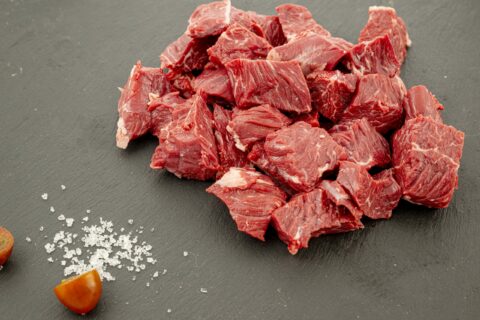
Cut the beef into similar-sized pieces, brown them first if you want deeper roasted flavour, then cook gently with liquid until tender. Patience matters more than aggressive heat.
Cooking a thick chuck steak or bone-in piece
For a substantial bone-in cut, a two-stage method works well: use gentler heat to bring the centre close to the desired temperature, then finish with intense heat for browning. You can also reverse the order by searing first and finishing in the oven.
Rest large cuts after cooking. A short rest helps temperature settle and makes the meat easier to slice neatly. Our guide to why beef should rest after cooking explains the process.
Slice chuck against the grain
Fibre direction is particularly important in cuts from active muscles. After cooking, identify the visible muscle lines and slice across them rather than parallel to them. Shorter fibres are easier to chew and can make the same piece seem noticeably more tender.
See our dedicated guide to cutting meat against the grain.
Common chuck-cooking mistakes
- Assuming every chuck cut needs exactly the same technique.
- Cooking a thick piece only by minutes instead of checking the centre.
- Using very high heat for too long on a connective-tissue-rich cut.
- Skipping the resting period for a large piece.
- Slicing with the grain rather than across it.
- Comparing bone-in prices without accounting for bone weight.
Frequently asked questions
Is chuck always tough?
No. Chuck contains several muscles and can be sold in many formats. Some steaks can be quick-cooked successfully, while other pieces benefit from longer cooking.
Can I barbecue chuck?
Yes, when the cut and thickness suit the method. For planning a full cookout, see our guide to what meat to buy for a barbecue and how much per person.
Is Spanish “aguja” exactly the same as American chuck?
Not exactly. The areas overlap, but national cutting systems divide carcasses differently. Always judge the actual piece rather than relying on a one-word translation.
Beef cuts for different cooking styles
Chuck is a good reminder that a cut does not need to be the tenderest raw piece to deliver an excellent meal. Matching the technique to the structure is often more important than buying the most expensive steak.
-
Sale!
 Select options
This product has multiple variants. The options may be chosen on the product page
Select options
This product has multiple variants. The options may be chosen on the product page



 12 Jars of Tomato Jam, 250 ml
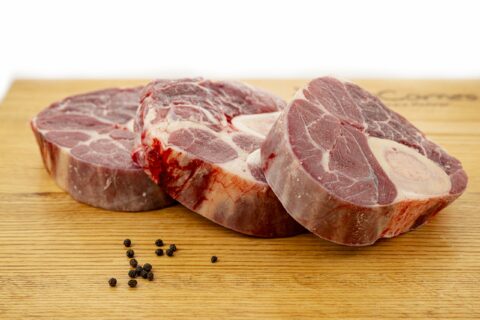
 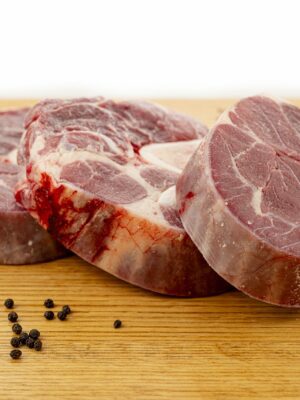 Beef osso buco
 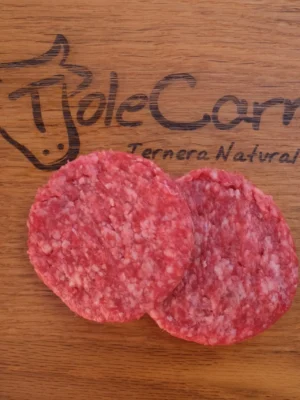 100% beef burgers – gluten-free (2)