Spinach is one of the leafy vegetables that shows the effects of time and poor storage very quickly. Leaves may wilt, develop yellow areas or soften at the edges without the whole bag automatically needing to be thrown away. But when slime, abnormal wetness, unpleasant odour or collapsed tissue appear, the assessment changes.
The important distinction is that “less fresh” and “spoiled” are not the same. A leaf can be wilted because it has lost water and still be usable in a cooked dish. A slimy translucent leaf has undergone a very different kind of breakdown.
Why spinach turns yellow
Green colour comes mainly from chlorophyll. After harvest, the leaf continues to respire and age. Chlorophyll gradually breaks down and yellow pigments that were previously hidden become more visible.
Yellowing can be accelerated by warmth, long storage, physical damage and natural senescence. On its own it is primarily a sign of declining freshness, especially if the leaf remains dry, reasonably firm and normally scented.
Wilted does not automatically mean spoiled
A wilted leaf has lost water and internal pressure. It looks limp and less crisp, but that does not equal rot. If it is dry to the touch, smells normally vegetal and has no mould or slime, it can often be used promptly, particularly in cooked dishes.
Loss of texture matters greatly in salad but much less in a sauté, soup, omelette or filling where the leaf will soften anyway.
Slime changes the diagnosis
When surfaces become slippery, sticky or viscous and leaves cling together in wet masses, this is no longer simple water loss. That texture usually accompanies advanced tissue breakdown.
If sour, fermented or rotten smells are also present, trying to pick tiny apparently better sections out of a badly degraded bag is not sensible.
What if only a few leaves are yellow?
Open the package and assess the whole batch. Remove clearly damaged leaves and inspect the remainder. If the rest is green, dry, reasonably firm and normally scented, it can be used. One or two yellow leaves do not automatically condemn everything.
If yellowing is widespread and accompanied by wetness, sticking and extreme softness, overall quality is much poorer.
Can damaged areas simply be trimmed?
A dry edge or small mechanical injury can be trimmed. Slime or mould is different. The aim is to distinguish a local cosmetic defect from a spreading deterioration process.
When a whole bag has heavy condensation and many slimy leaves, sorting one by one is no longer an appropriate strategy.
Trapped moisture speeds deterioration
Spinach needs enough humidity to avoid drying out, but free water on the leaf surface encourages rapid quality loss. Wet leaves compressed in a bag create small zones where deterioration advances quickly.
If spinach is washed before storage, thorough drying is essential. A salad spinner or careful drying removes excess surface water.
How to store fresh spinach
Keep it refrigerated and protect it from crushing. A container or bag that limits dehydration without trapping excessive condensation generally works better than leaving leaves fully exposed.
Keep it separated from unprotected raw meat and fish. Because spinach is delicate, it is best used relatively soon after purchase.
Our vegetable storage guide explains the wider principles of temperature, humidity and ventilation.
Wash before storage or before eating?
If leaves arrive clean and dry, washing shortly before use is usually simplest. If you wash them on arrival, dry them very thoroughly. The main issue is not washing itself but storing free water between leaves for days.
What to look for in bagged spinach
Inspect the bottom of the bag. A little temporary condensation can appear after temperature changes, but pooled liquid, stuck leaves and dark soft tissue are worse signs.
Also check whether deterioration is localised or widespread. A single bruised leaf is different from a bag breaking down throughout.
Does smell help?
Yes, but it should not be the only criterion. Fresh spinach has a mild vegetal smell. Sour, fermented or distinctly unpleasant odour combined with slime is a strong sign of deterioration.
What about dark spots?
Small dry injuries can result from bruising or ageing. Expanding wet lesions, translucent tissue, mould and widespread collapse are different. Texture is as informative as colour.
A four-level practical guide
- Green and firm: best freshness.
- Slightly yellow or wilted but dry and normally scented: quality loss; use promptly, preferably cooked.
- Very soft, wet or sticky: advanced deterioration; discard.
- Mould, widespread slime or bad smell: discard rather than trying to salvage small parts.
Can cooking rescue spoiled spinach?
No. Cooking should not be used to “fix” leaves that are clearly rotten or slimy. Heat changes texture and reduces many microorganisms, but it does not turn degraded raw material into a good ingredient.
Reducing waste safely
Inspect spinach when you bring it home, remove damaged leaves, keep the remainder dry and refrigerated and use it before deterioration becomes widespread. If sound leaves begin to wilt, move them forward in your meal plan and cook them soon.
Frequently asked questions
Can slightly yellow spinach be eaten?
If yellowing is limited and the leaves remain dry, reasonably firm and normally scented, it is mainly a quality issue. Use promptly.
Can slimy spinach be washed and used?
We do not recommend it. Slime indicates advanced tissue breakdown.
Can wilting spinach be frozen?
If it is still sound, it can be cooked or blanched and frozen for suitable dishes. Freezing does not improve spoiled leaves.
Why does spinach spoil so quickly?
The leaves are thin, have a large surface area and remain metabolically active, so temperature and moisture control matter greatly.
Vegetables available now
- EMDO Selection

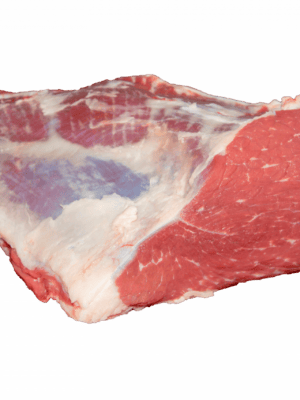 Beef picanha (rump cap)
 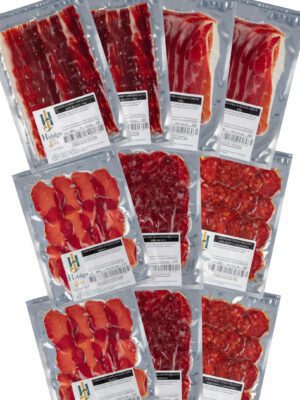 Tasting pack of 100% Iberian acorn (2x ham, 2x shoulder ham, 2x cured loin, 2x salchichón, 2x chorizo)
 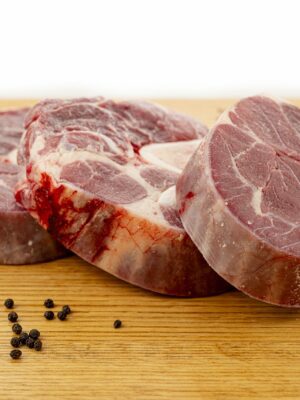 Beef osso buco
  Lean diced beef / beef ragout